
Last updated October 17, 2026
 Metal roofing
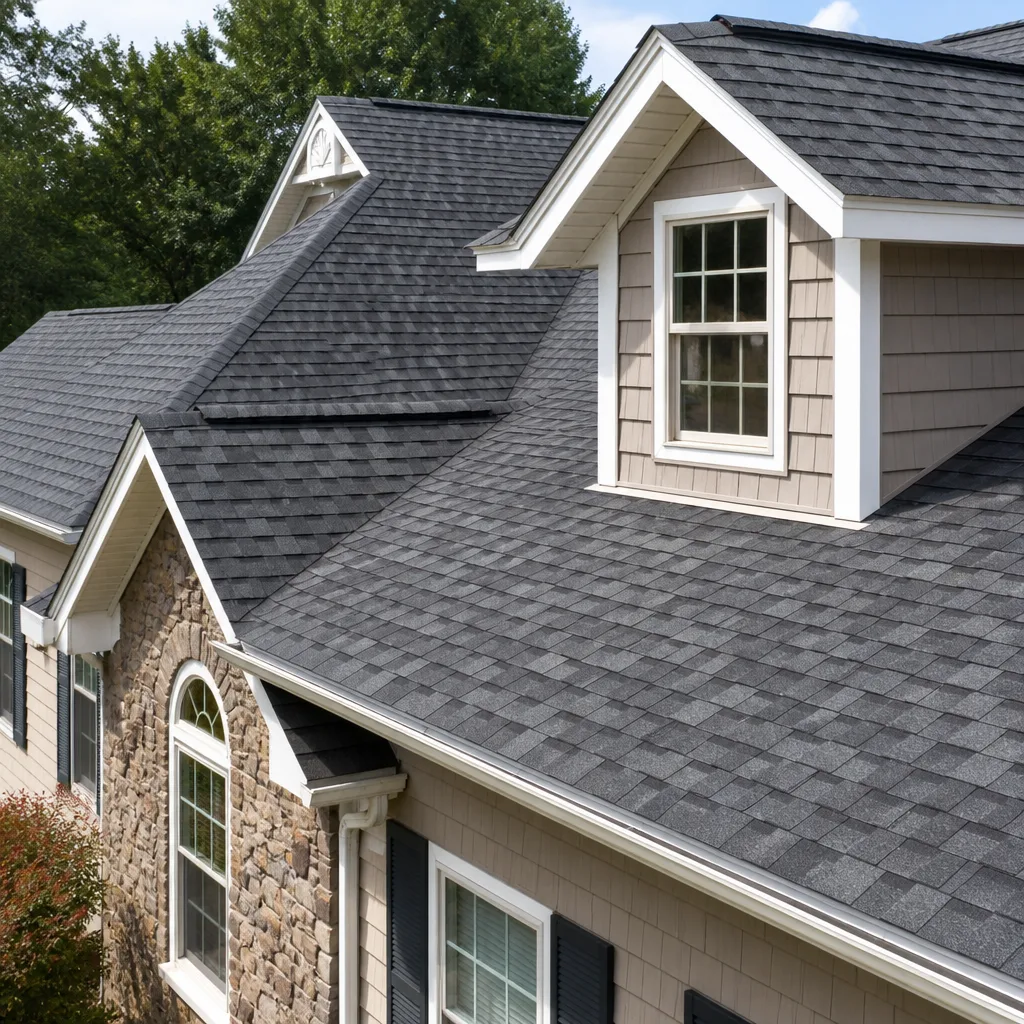 Architectural shingles
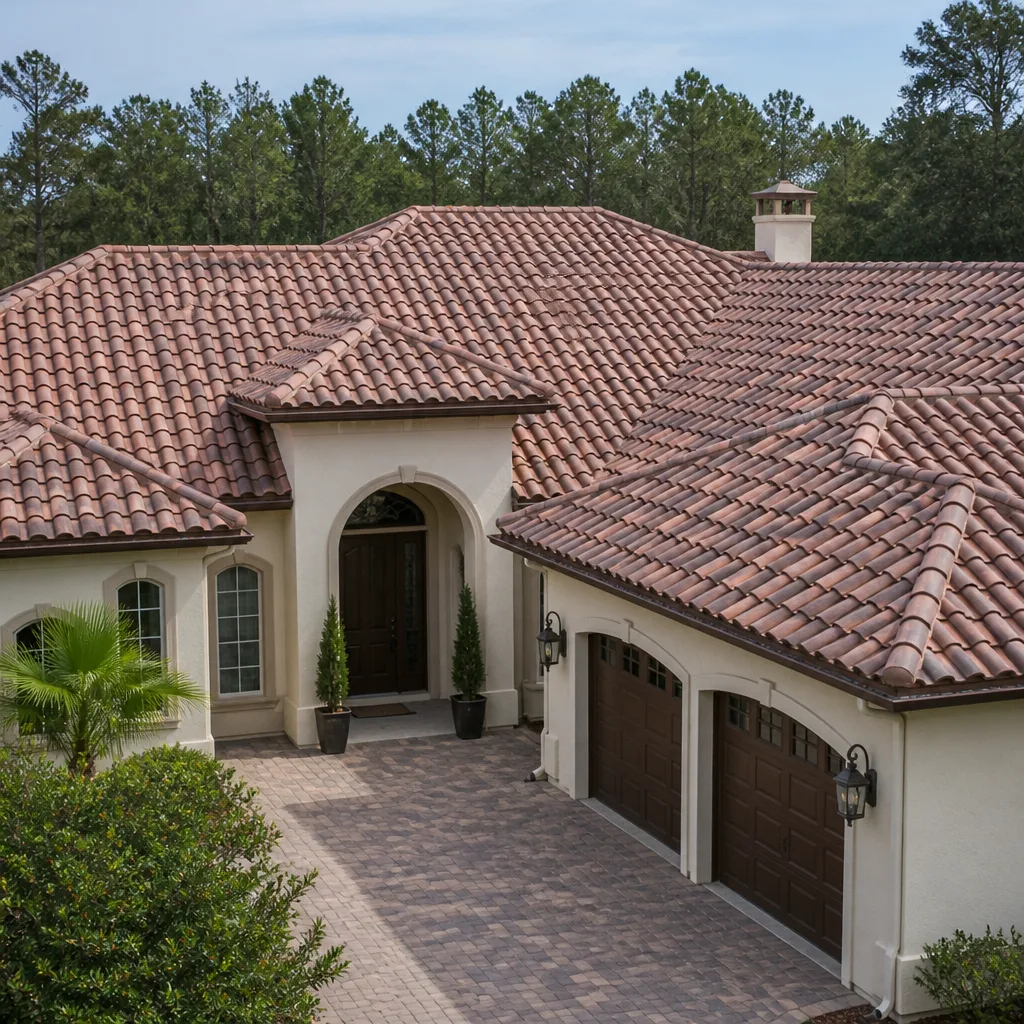 Tile roofing
 GAF
GAF Owens Corning
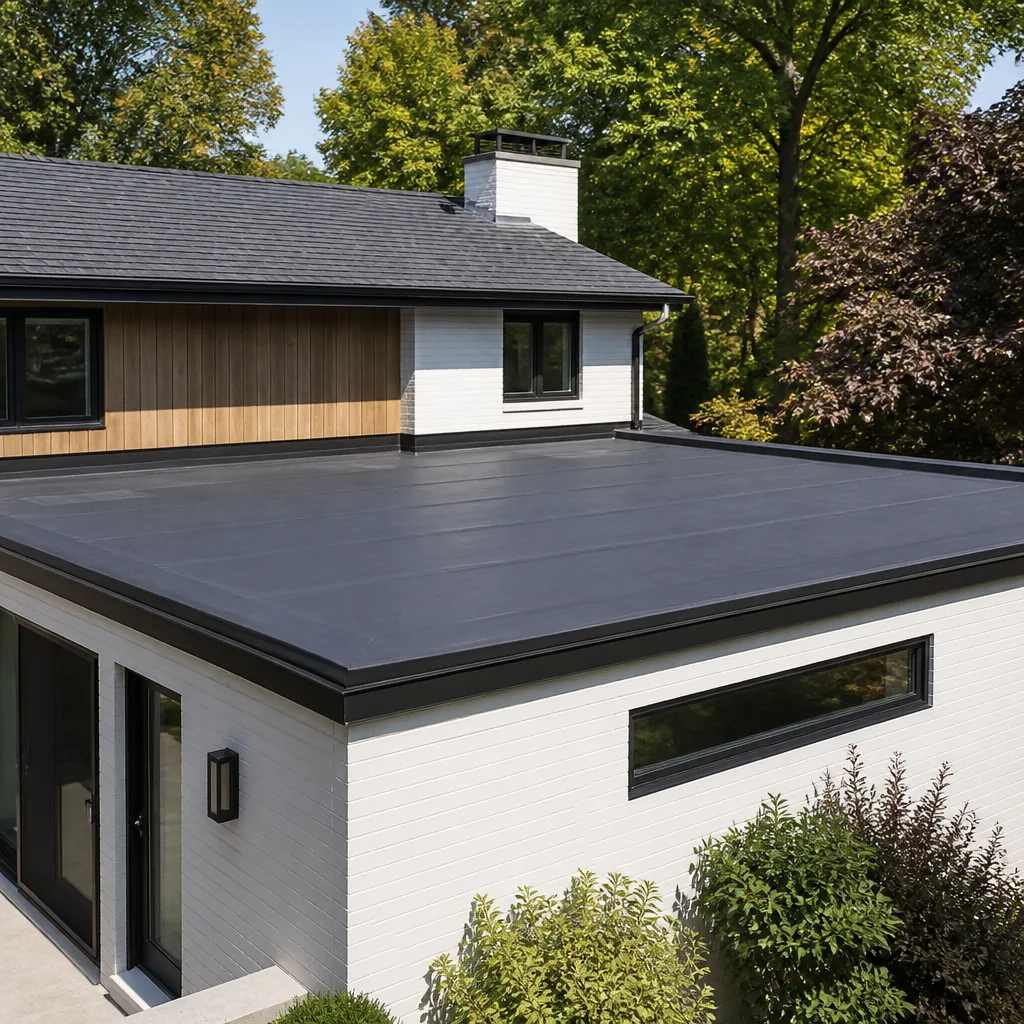 Flat & low-slope
Free roof inspection with deck photos before we talk money - GAF and Owens Corning certified installation
Roofing Warning Signs: A Los Angeles Homeowner’s Reference Guide
Here’s a fact most Los Angeles homeowners never hear until it’s too late: the most serious roof failures on your house are probably invisible from the driveway. The roof over your head can be quietly failing for six to eighteen months before a single water stain appears on a bedroom ceiling. In Los Angeles, where a decade can pass between meaningful rainstorms, the damage often hides in the attic where nobody looks. This guide walks you through the warning signs that matter, where to look first, and how to tell the difference between a roof that needs a tune-up and a roof that needs a crew this week. Written by a Los Angeles roofer who has climbed into hundreds of local attics, this is the reference we wish every homeowner had before the first drip showed up.
Styles & brands we work with
Quick Answer
The first place to check for roof trouble in Los Angeles is not the roof itself, it’s the attic: daylight through the decking, dark-spotted rafters, damp or compressed insulation, and rusted nail points all show up months before ceiling stains do. Outside, watch for granule loss in gutters after rain, lifted or displaced tiles near the roofline, and black streaks along stucco walls below roof intersections, which are almost always flashing failures rather than wall problems. Call a professional when you see daylight in the attic, when ceiling stains are spreading, or when water is actively entering the house.
Table of Contents
- Start in the Attic, Not the Driveway
- Los Angeles-Specific Warning Signs You Won’t Find in Generic Guides
- Reading Gutter Debris Like a Diagnostic Report
- The Stucco Wall Problem That’s Actually a Roof Problem
- Triage: Monitor-and-Schedule vs. Call-Today vs. Bucket-Now
- What Roof Repairs Actually Cost in Los Angeles
- Common Mistakes to Avoid
- When to Call a Professional
- Frequently Asked Questions
- The Bottom Line
Start in the Attic, Not the Driveway
Every roofer in Los Angeles has the same story: a homeowner calls about a ceiling stain, and the source turns out to be a flashing gap or a broken tile that’s been leaking for months. By the time water shows up on interior drywall, it has already traveled across rafters, along the underside of the sheathing, and down a wall cavity. The stain on your hallway ceiling might trace back to a chimney flashing six feet away. Water travels horizontally before it drops vertically, and in a Los Angeles attic with its characteristic low pitch and tight clearances, that horizontal distance can be substantial.
Here’s what to look for the next time you open your attic hatch. Bring a flashlight. A headlamp is better, it leaves both hands free.
- Daylight through the decking. Turn off the attic light and let your eyes adjust. Any pinhole of daylight means a direct path for water. The size of the hole matters less than you’d think: a quarter-inch gap admits a surprising amount of rain during a strong Los Angeles downpour, especially with wind driving it sideways. Mark the location by looking for a landmark like a vent pipe or rafter spacing so you can direct a roofer to it.
- Dark staining or streaking on rafters. Water that has been entering intermittently leaves behind water marks: dark gray or brownish streaks that follow the wood grain. These stains often appear months after the water has dried. If the stains are soft or the wood feels spongy under a fingernail, you have active or chronic moisture.
- Compressed or matted insulation. Fiberglass batt insulation loses its loft when it gets wet. If a section looks flattened or has visible water rings, water has been dripping onto it. Blown-in insulation will clump and harden. This is an early sign that often appears a full season before any ceiling damage.
- Rusted nail points. The nails that secure your shingles or tiles to the decking poke through on the underside. Rust on those points means moisture has been present for a while. If the rust is active and flaking, water is still getting in.
- Staining around penetrations. Every pipe, vent, and chimney that comes through your roof creates a penetration, and penetrations are where most leaks begin. Look at the wood immediately around these points for moisture marks. A dark ring around a vent pipe is a leak that has been intermittent for months. Los Angeles plumbing vent flashings, many installed when the house was built, fail quietly. Water runs down the outside of the vent pipe and drips into the insulation below.
These are not paranoia items. These are the first warnings of a roof problem that hasn’t yet cost you anything beyond the inspection. At this stage, a repair can run $250 to $450 for a flashing replacement or isolated decking patch. If you wait until ceiling damage appears, you’re looking at that same roof repair plus drywall work, texture matching, and paint, a much larger number. A good roof repair in Los Angeles should catch the problem before it becomes a drywall invoice.
Los Angeles-Specific Warning Signs You Won’t Find in Generic Guides
Most roofing guides are written for climates with snow, ice dams, and four real seasons. Los Angeles is different. Our roofs fail in patterns that a Cleveland roofer would find unfamiliar, and if you understand those patterns, you’ll spot trouble much earlier. The following signs are specific to how roofs age under the Southern California sun and near the Pacific’s salt air.
Edge Metal Corrosion from Coastal Salt Air
Drive through any Los Angeles neighborhood within five miles of the coast, from Pacific Palisades to San Pedro, and look at the metal on the roofs: drip edges, valley metal, and flashing. The salt air corrodes galvanized steel years faster here than it does inland. The failure pattern is predictable. The metal’s zinc coating sacrifices itself, a gray-white powdery film forms, then the underlying steel begins to rust. On some homes, the drip edge along the eaves will show rust-through in ten to fifteen years, while the shingles above still have life in them.
Check your own drip edge by looking where the roof overhangs the fascia board at the gutters. Run a finger along the metal edge. Rough, flaking, or orange-brown patches mean the metal is actively corroding. When drip edge fails, water wicks back toward the fascia and rafter tails, and the first visible sign is often a rotted section of fascia board or paint peeling on the eave. If you live in a coastal Los Angeles neighborhood, plan to inspect this metal every two to three years, even if the rest of the roof looks fine.
Granule Loss that Signals UV Saturation, Not Age
Asphalt shingles shed granules their whole life. The amount matters, and in Los Angeles, the pattern matters more. Intense, relentless UV exposure saturates the asphalt layer of a shingle over time, causing the granules to release, not evenly, but first on the slopes that face south and west. If you walk around your house and notice the south-facing slope has lost noticeably more granules than the north-facing slope, the issue is UV saturation, which accelerates the shingle’s end of life well before the calendar says it is time.
This is a monitor-and-plan signal. A UV-saturated slope won’t necessarily leak tomorrow, but it will fail faster than the rest of the roof. Depending on the degree of granule loss and the age of the roof, a reroof of a single slope can be a cost-effective interim repair. A new section of CertainTeed or Owens Corning dimensional shingle on a 400-square-foot Los Angeles home slope runs roughly $1,200 to $1,900 installed, depending on underlayment and decking condition. If the whole roof is UV-saturated, a full roof replacement makes more financial sense than patching one slope at a time. For a complete picture of what a replacement involves, see our guide on roof replacement in Los Angeles.
Tile Displacement from Thermal Expansion Cycles
Los Angeles is a tile roof town. The Spanish and Mediterranean styles that define so many of our neighborhoods, from Hancock Park to Sherman Oaks, demand concrete or clay tile. Tile is durable, but it moves. On a hot day, concrete tile can reach 140 degrees. At night, it cools into the 50s. Over hundreds of these cycles, tiles creep, shifting slightly downslope. Nails holding the tile backs pull loose. The result is not dramatic, just a tile that no longer sits flush in its course.
Look along your roofline for tiles that appear raised at the lower edge, shifted sideways, or that sit proud of the tiles around them. This movement looks minor, but a displaced tile exposes the underlayment beneath to direct sun and direct rain. Underlayment under tile is not intended to be a long-term wearing surface. On many Los Angeles homes, the underlayment is the older variety, and UV exposure degrades it quickly once exposed. A single slipped tile is a $75 to $125 repair. Replacing underlayment because a slipped tile went unnoticed is a multi-thousand-dollar job. This is monitor-and-schedule, and the schedule should be soon.
Black Streaks on Rooflines and Stucco: Algae or Something Worse
“Roof algae” is the black streaking you’ll see on many Los Angeles asphalt shingle roofs, particularly on north-facing slopes or under tree shade. It’s a cyanobacterium, Gloeocapsa magma, and it’s cosmetic, mostly. But black streaks on the stucco wall below a roof intersection are a different animal entirely. Those are almost always a flashing failure. Water that should be directed off the roof is instead running behind the stucco’s scratch coat and emerging as efflorescence or streaking on the wall face. This is one of the most misdiagnosed problems in Los Angeles roofing. Homeowners call a plasterer or a painter for the wall. The wall isn’t failing. The roof is, every time it rains. This guide’s stucco section below covers it in detail.
Reading Gutter Debris Like a Diagnostic Report
Your gutters are the simplest diagnostic tool on the entire house. After it rains in Los Angeles, spend ten minutes with a ladder and a bucket, and the roof will tell you what’s failing. You don’t need to know how to install flashing or underlayment. You just need to know how to read what’s in the gutter. This is an underrated skill, and it’s one of the first things a roofer does on a service call.
- Granule volume after rain. Every asphalt shingle roof sheds granules. A teaspoon here and there is normal. If you clean your gutters and find more than a cup of granules per ten feet of gutter in a single cleaning, that’s meaningful granule loss. It means the shingle’s surface is releasing faster than it should. If you see bare asphalt patches on the shingles above that gutter section, the roof is in active decline.
- Moss or algae fragments. Small pieces of moss in the gutter indicate a persistent moisture environment on the roof, usually on a shaded slope. Moss is less common in inland Los Angeles but common enough in Laurel Canyon, Topanga, and the canyon neighborhoods where tree canopy shades roofs. Moss holds water against the shingle, accelerating granule loss and, over time, breaking the shingle’s seal. It also works its way under shingles, lifting them, and then the next windstorm catches that lifted edge.
- Debris composition by gutter section. This is the trick most people miss. Clean each gutter section separately and pay attention to what you find. The section at the bottom of the valley, the V-shaped channel where two roof planes meet, should carry mostly water and fine granules. If you find wood splinters or fragments of what looks like cardboard, that’s saturated decking material or deteriorating underlayment washing down. A gutter full of fine granules near a valley means that roof plane is aging. A gutter with bits of white felt or tar paper means water is getting past the wear surface and bringing the underlayment with it.
- Sand or tile dust under tile roofs. If you have a concrete tile roof, dust and small granules in the gutter are from the tiles themselves. Concrete tile dust can indicate minor surface spalling, which is not urgent. But if you find more than dust, if you find actual pieces of tile or tile chips, a tile has broken or cracked somewhere above, and the pieces are washing down. A broken tile is an open invitation for water.
- After a dry spell, a damp gutter line. This one isn’t about debris. It’s about looking. In Los Angeles, weeks of dry weather are the norm. If a portion of your gutter remains damp or shows a slow drip after the rest of the roof has dried, water is trapped somewhere above it: behind a flashing, in a pocket of the roof, or under a tile. Walk the perimeter and look. A damp gutter in dry weather is a leak in slow motion.
If what you find suggests anything more than routine aging, a roofing company in Los Angeles should inspect it. And take your gutter notes with you when you call. A homeowner who can say “the west valley gutter has granule buildup and wood-colored fragments” is a homeowner who gets better answers.
The Stucco Wall Problem That’s Actually a Roof Problem
Los Angeles has more stucco-clad houses than just about any metro area in the country. Stucco is a fine wall system in our climate, but it has one weak point that causes constant confusion: the transition where a lower roof plane meets a stucco wall. This transition is governed by an unglamorous piece of roof flash called the kick-out flashing, and its failure reads as a wall problem. It is not. It is a roof problem.
What a Kick-Out Flashing Is and Why It Fails
A kick-out flashing is a small metal piece installed at the base of a roof-to-wall intersection. Its job is to direct water away from the wall and into the gutter. Without it, or with one that’s been installed poorly, rainwater runs down the roof, hits the wall, and takes a hard turn down the side of the house. The first place this water shows up is the wall itself: dark staining, bubbling paint, efflorescence, or a soft section of stucco at the roof line. Homeowners call a stucco contractor. The stucco contractor repairs the stucco. It fails again next winter. The flashing has been missing the whole time.
How to Check Your Own Transition
Stand at the corner where a lower roof plane meets a wall. You’re looking at the bottom end of the wall’s channel. A proper kick-out flashing is a small angled metal tab that directs water away from the wall and over the gutter’s edge. You should see a visible metal piece doing that job. If the roof simply disappears into the wall, or if there’s a caulk line where the roof meets the stucco, the flashing is missing or failing. Caulk as a primary weather seal on a roof-to-wall transition is a temporary patch at best. In Los Angeles’s thermal cycling, caulk cracks within a season or two.
The fix is a flash replacement: remove a few tiles or shingles at the transition, install a proper kick-out flashing, re-dress the underlayment, and reinstall the wear surface. It’s a $350 to $600 repair in most Los Angeles neighborhoods, and it saves thousands in stucco and framing damage. If you’re already working with a roofing company that offers roof repair in Los Angeles, ask them to check every kick-out on the house while they’re there. It’s a ten-minute addition to a service call and it catches the most common future failure on stucco homes.
Triage: Monitor-and-Schedule vs. Call-Today vs. Bucket-Now
Most roofing guidebooks tell you to “call a professional” for everything, which isn’t helpful at 10 p.m. on a Tuesday. A better framework is triage: which signs can wait for a scheduled visit, which should be addressed this week, and which mean you put a bucket down and make the call now. Here’s the Los Angeles version of that list.
Monitor-and-Schedule: Book an Estimate Within Two to Four Weeks
- Granule loss concentrated on south and west slopes, but no leaks. This is a planning signal. You have time to get estimates.
- A single slipped tile that’s still in place. A repair is needed, but the underlayment is still covered. Schedule a visit.
- Rusted drip edge on a coastal home with no active fascia damage. Metal replacement is coming, not immediate.
- Light moss on a shaded slope. A soft-wash treatment and an inspection for lifted shingles is the move. Schedule the inspection.
- Rusted nail points in the attic with no active staining. Some moisture has been present. The source may have been corrected. Have it inspected to confirm.
Call-Today: Get a Roofer This Week
- Dark, active staining on rafters or wet insulation in the attic. Water is currently getting in, even if no ceiling stain has appeared. Every day counts.
- Daylight visible through the decking, even a small pinhole. Water entry is guaranteed during the next rain, and Los Angeles rain comes in few but intense bursts.
- A missing tile or shingle, especially after a Santa Ana wind event. The next rain will find the opening.
- Black streaking on a stucco wall below a roof intersection. This is an active flashing failure. The wall damage is compounding every storm.
- Gutter debris showing wood or underlayment fragments. Something structural above is deteriorating and washing down.
Bucket-Now: Water Is Actively Entering the House
- Water dripping from a ceiling, light fixture, or window frame during or after rain. Put a bucket down, move furniture, and call. If water is near a light fixture, turn off the breaker to that circuit.
- A bulge in a ceiling or wall that is damp to the touch. This is a water-logged section that can collapse. Do not puncture it yourself. Call a roofer with emergency service.
- Active water running down a wall inside the house. This is moving water, not seepage. The source may be a roof intersection or a penetration. Either way, the damage is compounding by the hour.
The Los Angeles roofing market has no shortage of companies. What separates a good one is whether someone answers the phone when water is coming through the ceiling on a Sunday night. If the company you call doesn’t answer, call the next one. Roof leaks don’t wait for Monday.
What Roof Repairs Actually Cost in Los Angeles
You should know the numbers before you pick up the phone. Not ballpark national numbers. Los Angeles numbers, from a company that charges Los Angeles prices and hires Los Angeles crews. Here’s the honest range for the most common repairs in our market. These assume a standard single-family home, a competent roofer, and no hidden structural surprises.
| Repair Type | Typical Los Angeles Range | Notes |
|---|---|---|
| Isolated flashing replacement (vent, pipe, or step) | $250 – $450 | Most common leak source. Same-day fix in most cases. |
| Kick-out flashing installation at stucco transition | $350 – $600 | Includes removal and reset of surrounding shingles or tiles. |
| Single tile replacement | $75 – $125 | Labor and matching tile. Price rises if underlayment behind the tile is damaged. |
| Valley metal replacement | $500 – $900 | Price varies by valley length and whether shingles or tiles must be cut back. |
| Decking patch (2-3 sheets of plywood) | $400 – $750 | Includes shingle or tile reinstallation over the patch. |
| Drip edge replacement on one slope | $350 – $650 | Coastal homes often need this more frequently due to salt air. |
| Small repair with temporary seal as a stopgap | $150 – $250 | Buys time until a permanent repair can be scheduled. Not a long-term solution. |
Every job at Tilehurst Roofing Los Angeles begins the same way: a written price in your hands before any work starts. That’s the first of The Kingswell Way values: say the price before the work. The others follow. Show up in the window we gave. Leave the place cleaner than we found it. Put the guarantee in writing. Come back if it fails. If a price changes once work begins, you’re no longer working with the company you hired. You’re working with the company that burned you. We don’t buy it, and you shouldn’t either. You can find our broader approach on the Tilehurst Roofing Los Angeles home page.
Common Mistakes to Avoid
- Ignoring a small ceiling stain because it only appears after heavy rain. A stain that dries and disappears is still a leak. The water is traveling into the house, and the path it’s following is getting a little bigger each time. A $300 flashing repair today beats a $1,200 drywall repair next March, and that’s before the mold conversation.
- Sealing a roof-to-wall transition with caulk from a hardware store. Caulk is not a flashing. It fails within a season or two in Los Angeles’s heat and UV. The caulk route costs you the price of the tube, and then the cost of the real repair after further wall damage.
- Replacing the roof before finding out why the last one failed. If the previous roof failed because a vent pipe flashing was never properly replaced, a new roof installed over that same bad flashing will fail in the same spot. Ask any roofer you’re considering whether they inspect and address existing flashing during a reroof. If they don’t, keep looking.
- Assuming tile roofs are leak-proof. Tile sheds water, but underlayment is what makes the roof waterproof. If your underlayment is aging or was installed poorly, your tile roof leaks just like a shingle roof. Tile hides the failure longer because water travels underneath the tiles before finding the decking.
- Ignoring the gutters because they don’t seem important. Clogged gutters back water up into the roof’s edge on Los Angeles homes with limited overhangs. The fascia rots, the drip edge rusts, and the problem works its way under the shingles. Ten minutes of gutter cleaning twice a year prevents a meaningful share of the edge damage we see.
- Waiting until a leak appears to budget for roof work. Most of the warning signs in this guide appear months before a leak. Use that window. Get an inspection, get estimates, plan the work. Roof work paid for in an emergency always costs more than roof work planned in advance.
- Choosing materials based on what a contractor has in the truck. You have choices in Los Angeles. GAF, CertainTeed, Owens Corning, IKO, Atlas, Tamko, and Boral all have distribution here. If a roofer offers only one brand and won’t discuss alternatives, the product is being chosen for their convenience, not your house.
When to Call a Professional
Call a professional roofer when you see any active moisture sign in the attic: dark rafter staining, wet insulation, rusted nail points, or daylight through the decking. Call when you spot an active wall streak at a roof intersection. Call when a ceiling stain appears, even if it’s small, because it means water has already traveled through your roof structure and into the house. And call if you simply want a trained set of eyes on a roof you haven’t inspected in years. Tilehurst Roofing Los Angeles offers free estimates to homeowners throughout Los Angeles. If you see something you can’t identify, describe it to whoever answers. They’ll tell you honestly whether it’s urgent. Call (213) 674-2890.
Frequently Asked Questions
Many Los Angeles roofing companies, including Tilehurst, offer free inspections for homeowners. Some charge $100 to $300 for a documented inspection with photos. If a company charges for an inspection and you hire them for the work, ask whether the inspection fee is credited toward the repair. It often is. Call (213) 674-2890 to schedule a free estimate.
Flashing failures around penetrations and roof-to-wall transitions are the most common roof problem we see in Los Angeles, ahead of storm damage and aging shingles. The city’s climate isn’t wet enough to cause widespread decking rot, but it is hot enough to harden and crack old flashing sealants. On stucco homes, failed kick-out flashing is especially common and almost always misdiagnosed as a wall problem.
A properly installed asphalt shingle roof in Los Angeles lasts 20 to 30 years, with the lower end more common on sun-saturated south and west slopes. Concrete tile roofs can last 40 to 50 years with underlayment replacement at the halfway point. The biggest variable here is UV exposure, not rain. A roof in the Inland Empire and a roof in coastal Santa Monica will age at different rates even with the same materials.
For most leaks, no. The water you see inside the house rarely corresponds directly to the damage on the roof, and sealing the wrong spot wastes time and money. Working on a roof in Los Angeles also means working at height on a sloped surface, which carries real risk of serious injury. For anything structural or dangerous, a trained professional with proper safety equipment is the right call. The one exception: placing a bucket under an active leak and moving furniture is a good move for any homeowner.
It depends on the cause. Roof damage from a storm event, like a branch falling during high winds, is often covered. Wear and tear, age, and pre-existing damage are not. If you suspect storm damage, document it with photos and call your insurer. Many roofing companies can help with the claims process by providing a detailed damage report. Coverage varies widely by policy, so read yours before you need it.
A roof repair addresses a specific damaged area, typically flashing, a few missing shingles or tiles, or an isolated section of decking. A roof replacement is a new roof system installed over the entire house: removal of the old wear surface, inspection and repair of the decking, new underlayment, and new shingles or tiles. If the underlying roof structure is sound and the damage is localized, repair is the more economical choice. If failures are spread across multiple areas, replacement costs less in the long run than repeated repairs. A good roofing company in Los Angeles will tell you which one your house actually needs.
The Bottom Line
The roof warning signs that matter most in Los Angeles are not the ones you see from the driveway. They’re in the attic, in the gutters, and along the stucco wall where the roof meets the house. Learn to read those signs and you’ll catch problems months before the ceiling tells you something’s wrong. And when you do need a roofer, work with one who says the price before the work starts, puts the guarantee in writing before leaving, and answers the phone when you call. Those three things are rare enough in the roofing trade that they bear repeating. If a company offers all three, as Tilehurst does under the Kingswell Guarantee, you’re already ahead of most Los Angeles homeowners.
Free estimates are available throughout Los Angeles. Call (213) 674-2890 and describe what you’re seeing. We’ll tell you honestly whether it needs a look, a repair, or just a few more months of watching.
Written by Greg Holloway, Owner at Tilehurst Roofing Los Angeles, serving Los Angeles since 2000.
See the difference
 Before
 After
After Before
 After
After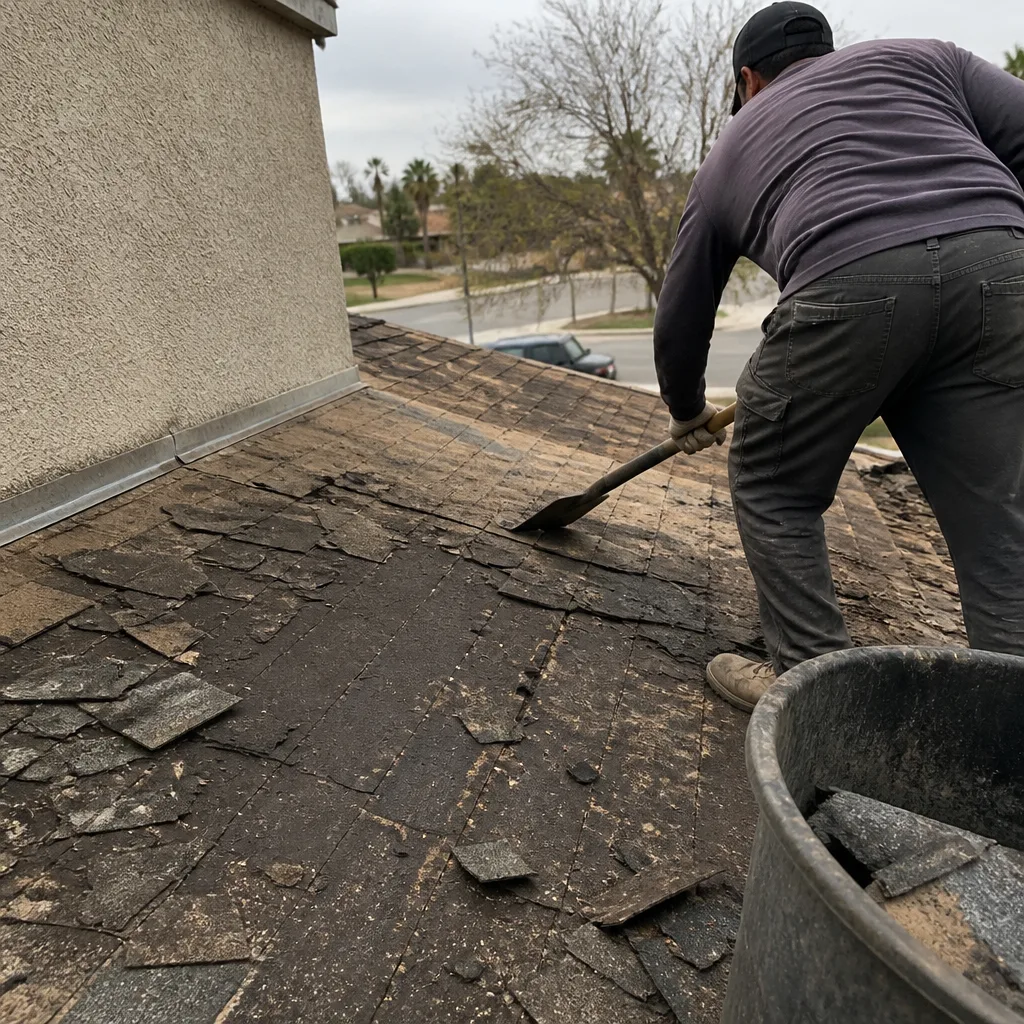 Before
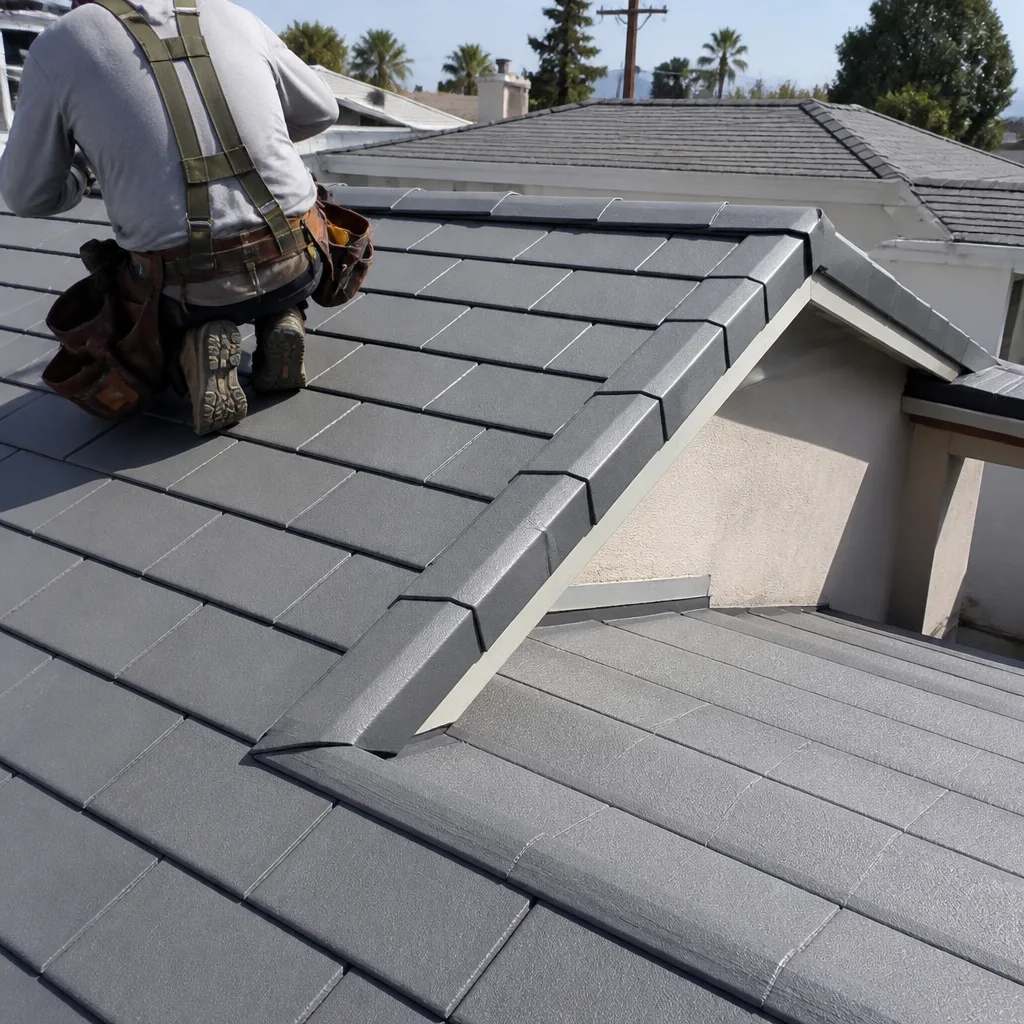 After
After