
Last updated October 17, 2026
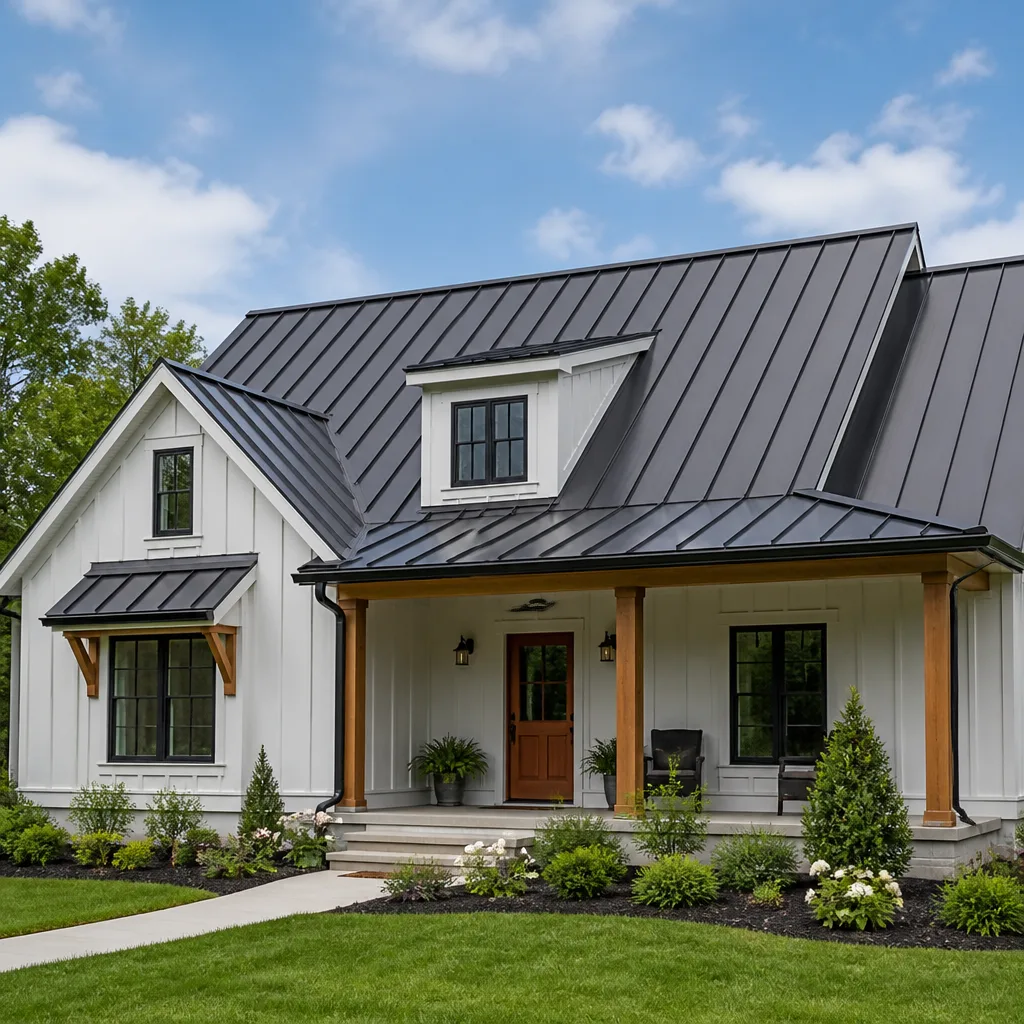 Metal roofing
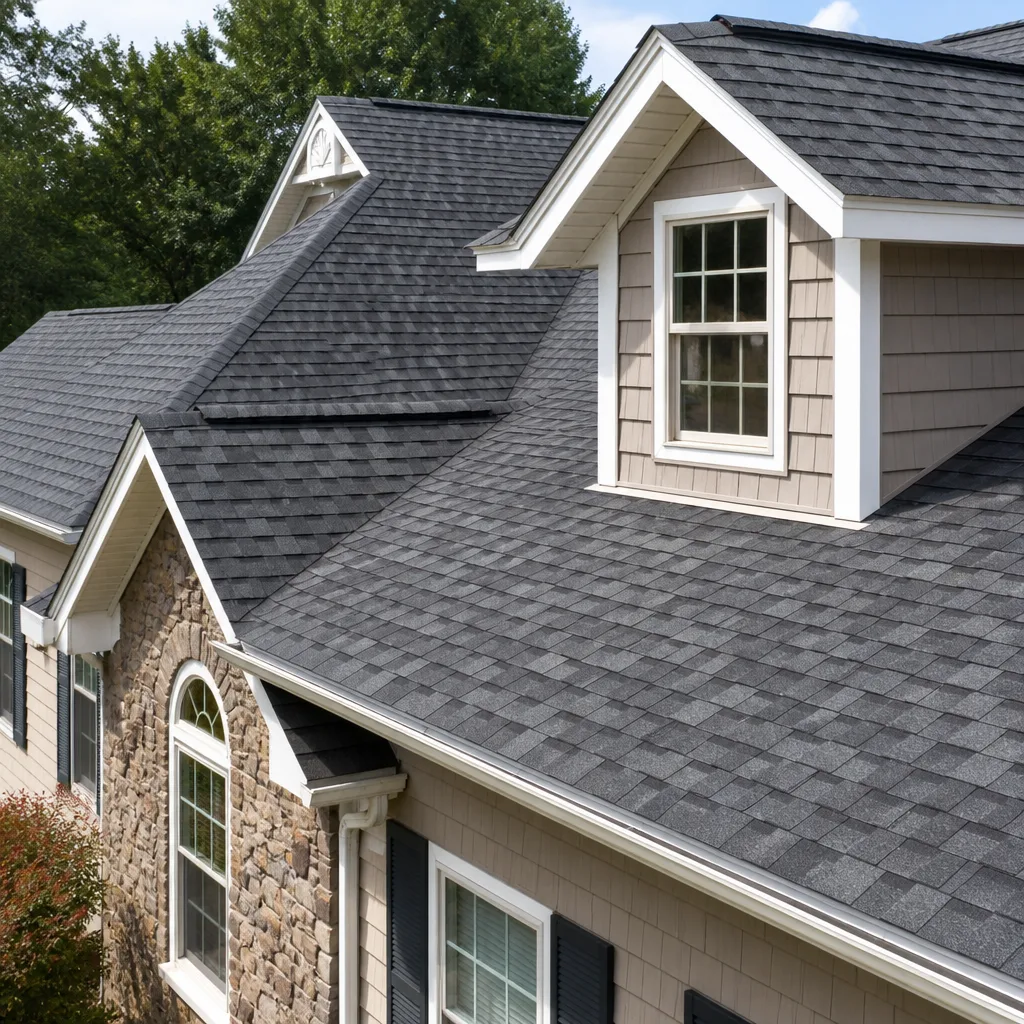 Architectural shingles
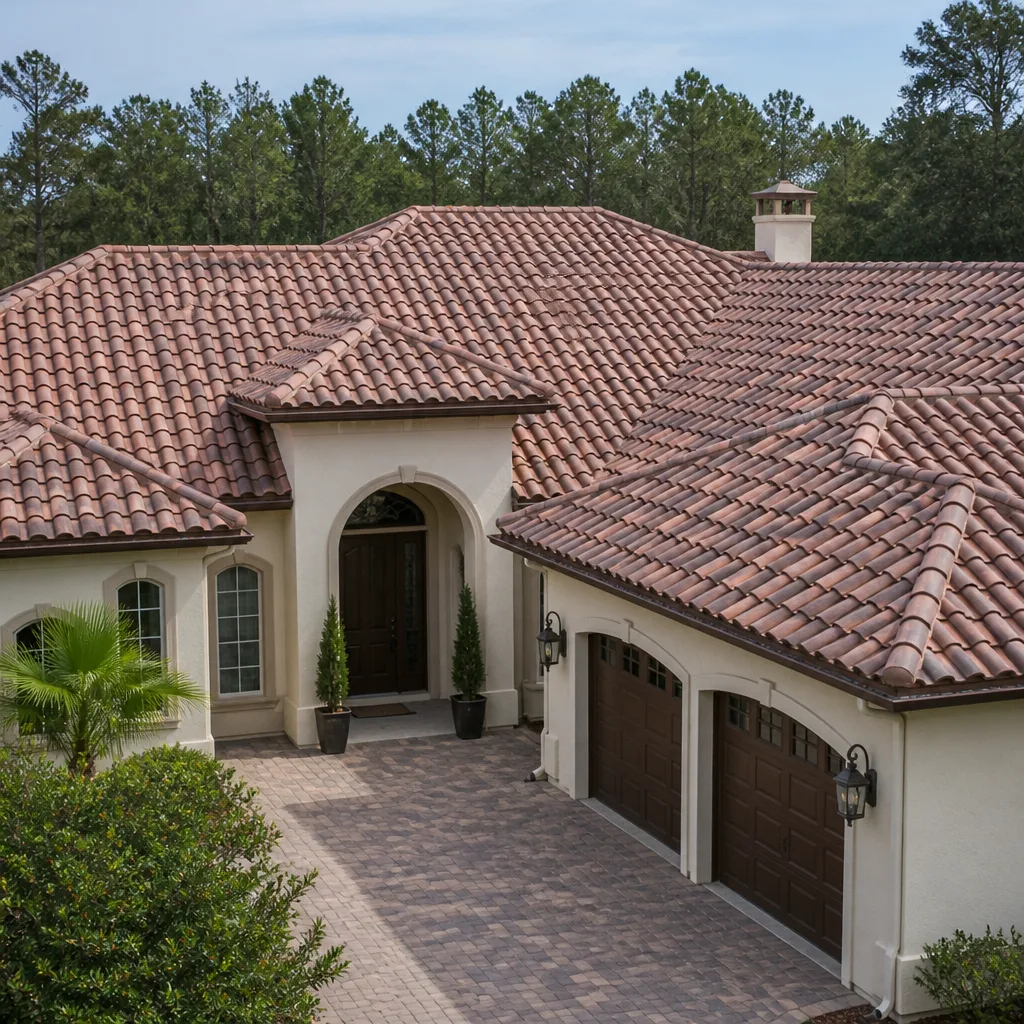 Tile roofing
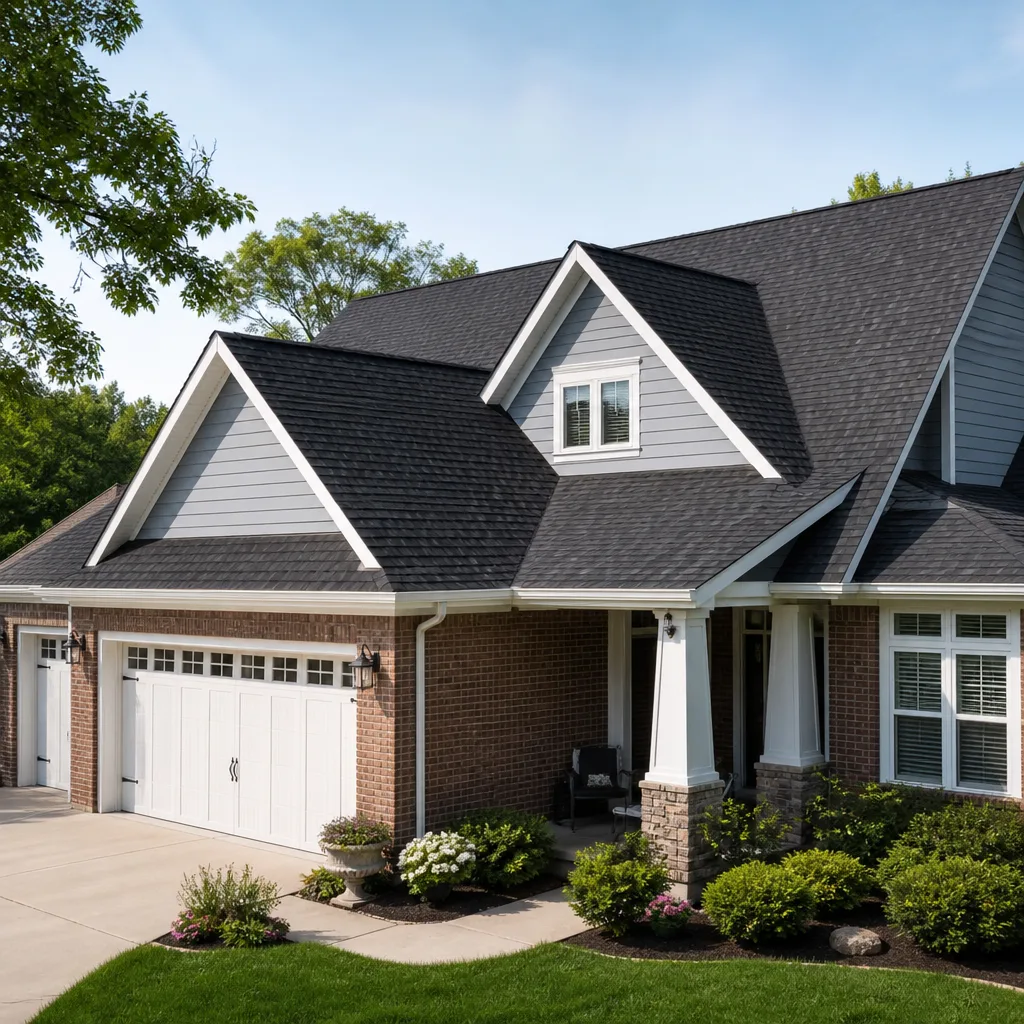 GAF
GAF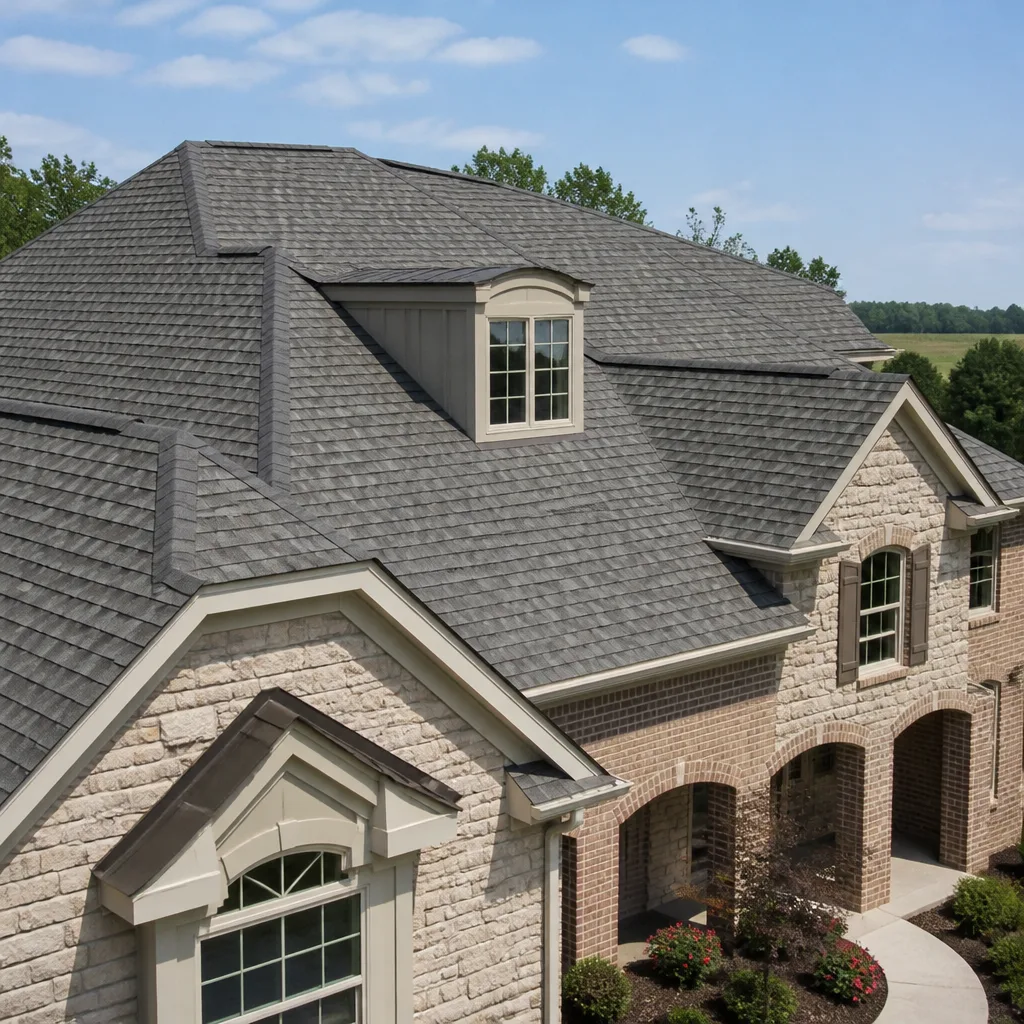 Owens Corning
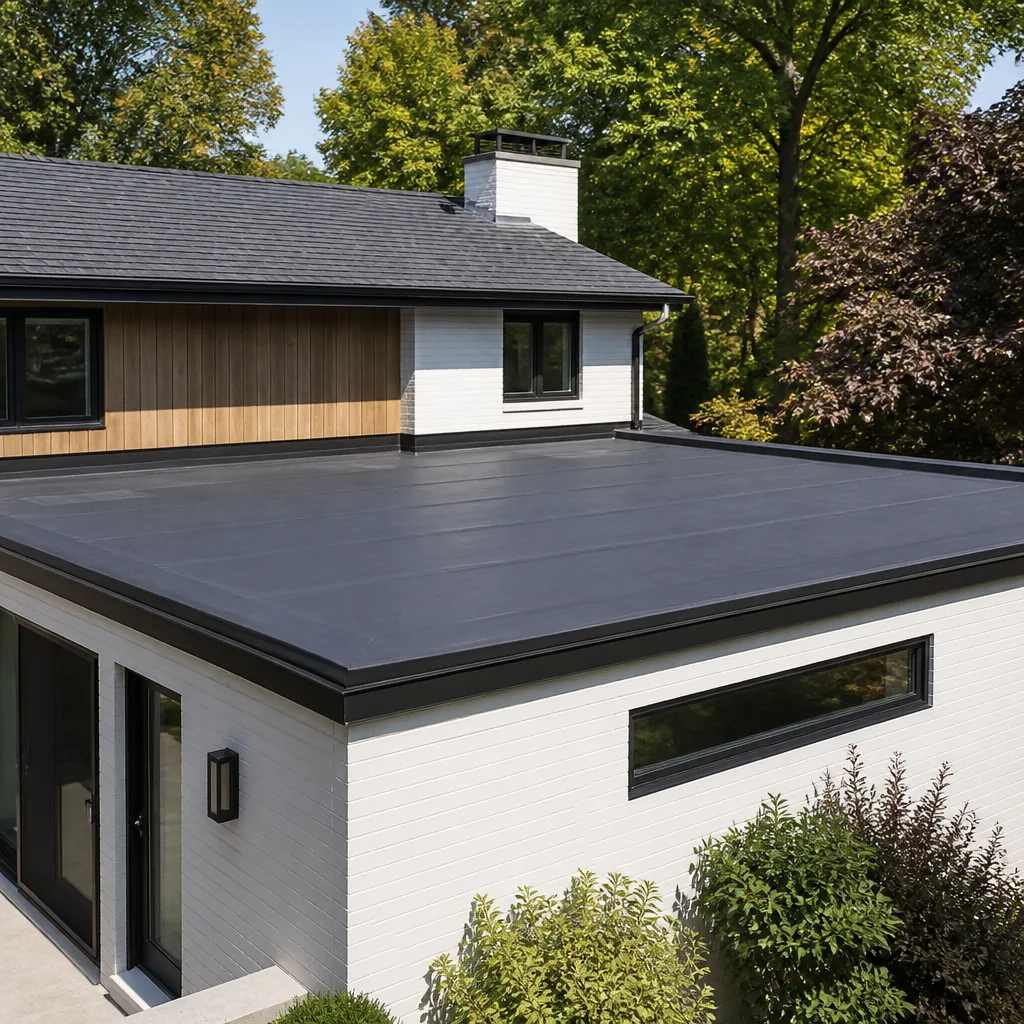 Flat & low-slope
Free roof inspection with deck photos before we talk money - GAF and Owens Corning certified installation
The Complete Guide to Roofing in Los Angeles
Most roofing guides treat Los Angeles like one climate. It isn’t. A roof that lasts 30 years in Santa Monica can fail in 12 in Reseda. Same city, same material, completely different result. This guide breaks down Los Angeles roofing by the four conditions that actually determine what belongs on your home: the coastal fog belt, the inland heat basin, the hillside fire zone, and the historic district with material restrictions. You’ll learn what each condition means for materials, maintenance, permits, and real dollars per square foot, so you can make a decision with your eyes open.
Quick Answer
Roofing in Los Angeles costs between $6 and $14 per square foot for most asphalt shingle work, with full replacements on a typical 1,500-square-foot roof running $18,000 to $42,000 depending on your neighborhood, roof pitch, and whether LADBS requires a full tear-off. The single biggest variable is not the shingle brand. It’s which of the four LA micro-climates your home sits in, because that determines which materials will actually last and what the building code will require of you.
Styles & brands we work with
Table of Contents
- The Four LA Roofing Climates (and What They Mean for Your Roof)
- How Los Angeles Weather Actually Fails Roofs
- Material Choices by LA Zone: What Works Where
- LADBS Permit Triggers That Catch Homeowners Off Guard
- Wildfire-Interface Rules: California Building Code Chapter 7A
- Real Roofing Costs by Los Angeles Neighborhood Tier
- A Maintenance Schedule That Matches LA’s Climate
- Common Mistakes to Avoid
- When to Call a Professional
- Frequently Asked Questions
The Four LA Roofing Climates (and What They Mean for Your Roof)
If you’ve read roofing advice written for a national audience, you’ve been misled about Los Angeles. National guides worry about ice dams, snow load, and freeze-thaw cycles. Los Angeles has none of those. What it has instead is a patchwork of micro-climates that change within a ten-minute drive. We’ve worked on roofs in Brentwood and Pacoima in the same week, and the condition of the shingles told completely different stories.
Zone 1: The Coastal Fog Belt
Santa Monica, Venice, Playa del Rey, Marina del Rey, El Segundo, Manhattan Beach, and the Palisades all share a condition: marine layer fog that sits on roofs for hours each morning, often for 200 days a year. That trapped moisture encourages moss, algae, and granule loss on asphalt shingles. We regularly see roofs in Mar Vista with dark streaking along the north-facing slopes, where the fog lingers longest. The fix is not more cleaning. It’s a shingle with copper or zinc granules that resist algae, which is why we often recommend Owens Corning Duration or CertainTeed Landmark with StreakFighter for this zone.
Zone 2: The Inland Heat Basin
The San Fernando Valley, Burbank, Glendale, Pasadena, and the Inland Empire face a different enemy: sustained heat. Reseda, Canoga Park, and Woodland Hills routinely hit 100 degrees for weeks at a stretch, with attic temperatures climbing past 140. Asphalt shingles in this zone fail from thermal expansion, not moisture. The shingle mat expands and contracts daily, which loosens the sealant strips and causes shingles to curl or blow off in the Santa Ana winds. In the Valley, we recommend better attic ventilation as the first line of defense, paired with shingles rated for high wind and high heat, such as IKO Nordic or Atlas Pinnacle Pristine.
Zone 3: The Hillside Fire Interface
If your home is in the Hollywood Hills, Bel Air, Brentwood hills, Laurel Canyon, Topanga, Malibu, or any of the canyon communities, you are in a designated Wildland-Urban Interface (WUI) zone. That designation is not a suggestion. It’s a building-code classification with material requirements you cannot ignore if you want your re-roof to pass inspection. More on Chapter 7A below, but the practical headline is this: you will likely need a Class A roof assembly, which means specific combinations of decking, underlayment, and covering, not just any shingle with a Class A label.
Zone 4: Historic Districts and Overlay Zones
Los Angeles has more than 30 Historic Preservation Overlay Zones (HPOZs), including Angelino Heights, Hancock Park, Windsor Square, Carthay Circle, and portions of Pasadena and South Pasadena. If you’re in one, the city can require you to match the original roof material. For many Spanish Colonial, Craftsman, and Tudor homes, that means clay tile, slate, or wood shake, not asphalt shingles. A homeowner in Hancock Park recently told us the city required replacement clay tiles that matched the existing color, profile, and installation method, which added roughly $18,000 over the cost of an asphalt roof of the same size. Knowing your HPOZ status before you choose a material is not optional.
How Los Angeles Weather Actually Fails Roofs
Nationwide, roofs fail from water freezing and expanding. In Los Angeles, the failure mechanism is ultraviolet radiation and thermal movement. The sun is the enemy. We see it every week on roofs across the city: shingles with the top layer of granules worn down to bare fiberglass on the south and west faces, while the north face looks nearly new. The sun degrades the asphalt binder that holds the shingle together. Once that binder breaks down, the shingle becomes brittle and cracks.
What UV Degradation Means for Underlayment Choice
The underlayment, which is the waterproof layer between your decking and your shingles, matters more in Los Angeles than in most places. A roof in Minnesota may go decades with a basic felt underlayment because the roof rarely gets hot enough to degrade it. Here, attic temperatures in the Valley can push 150 degrees, and that heat bakes the underlayment from below while the sun heats the shingles from above. Cheap felt dries out, becomes brittle, and tears during the next re-roof. We specify synthetic underlayment with a high temperature rating, such as Owens Corning Deck Defense or similar, on every replacement we quote. It costs roughly $25 to $40 per square more than felt, and it’s the single most cost-effective upgrade in a Los Angeles roof.
Thermal Expansion and the Santa Ana Problem
Los Angeles roofs also fail from the daily expansion-contraction cycle. A 40-foot roof section can expand by up to a quarter inch between a cold morning and a hot afternoon. Over ten years, that’s thousands of small movements. If the nails are over-driven or the sealant strips have lost their grip, shingles begin to slide or lift. Then a Santa Ana wind event with 40 to 60 mile per hour gusts arrives, and the lifted shingles peel back in sheets. We see this pattern most in the Valley and in the foothills, where temperature swings are most extreme.
Material Choices by LA Zone: What Works Where
You have more material options in Los Angeles than in most parts of the country. That’s a good thing, but it also means more chances to pick the wrong one for your street. These are the materials we discuss with homeowners in each zone, with real-world longevity for each.
Asphalt Shingles
Asphalt remains the default for good reason: it’s the most affordable, it installs fast, and the best architectural shingles now carry 50-year manufacturer warranties. In the coastal zone, choose an algae-resistant shingle. In the heat basin, choose a high-wind-rated shingle and get the ventilation right. Expect 20 to 30 years of real service life in Los Angeles, which is five to ten years less than the manufacturer’s stated maximum. That’s the honest number, and it’s true for every brand. We install GAF, CertainTeed, Owens Corning, IKO, Atlas, and Tamko, and we tell homeowners the same thing about all of them: the warranty is a document, but the service life is a product of the installation and the climate. A quality architectural shingle like the Atlas Pinnacle Pristine or the IKO Nordic will serve well in any of the four zones when installed with the correct underlayment and ventilation.
Concrete and Clay Tile
Tile is a genuinely excellent Los Angeles material. It doesn’t rot, doesn’t burn, doesn’t lose granules, and it’s what half the historic districts require. Boral is the brand we specify most often for homeowners who want tile without waiting six months for clay. The catch is weight and cost. Tile runs two to three times the cost of asphalt and may require structural evaluation if your home was built before the 1970s and the existing roof is lightweight composition shingles. In the hillside fire zones, tile also requires a Class A underlayment assembly beneath it, because tile alone does not meet the Chapter 7A standard.
Metal Roofing
Metal is the quiet winner in Los Angeles. It reflects heat, it’s rated for high winds, it carries Class A fire ratings, and a standing seam metal roof will last 40 to 60 years here. The downside is the price, $12 to $20 per square foot installed, and the fact that some historic districts will not approve it. For a modern home in the hills, metal is often the smartest long-term money. We see more of it in the Santa Monica Mountains and Topanga than anywhere else in the city.
Flat and Low-Slope Roofing
A huge number of Los Angeles homes have flat or low-slope sections: mid-century moderns in the hills, rambling ranches in the Valley, and older multifamily buildings throughout the city. These roofs need a membrane system, not shingles. The most common systems are modified bitumen and TPO. Both work in this climate. Modified bitumen is the older standard and handles foot traffic well. TPO is white and reflective, which lowers cooling loads in the Valley. We generally recommend TPO for any flat roof in the heat basin and modified bitumen for coastal flat roofs or roofs with heavy tree cover.
LADBS Permit Triggers That Catch Homeowners Off Guard
The Los Angeles Department of Building and Safety (LADBS) has specific rules about when a roof job crosses from a repair into a re-roof, and those thresholds surprise homeowners every week. You need to know them before you plan any work.
The 50% Rule
LADBS considers a job a re-roof if you’re replacing more than 50% of the roof covering within any 12-month period. Once you cross that line, you must pull a permit, and the re-roof must bring the entire roof assembly up to current code. That’s the catch. If your roof has old 3-tab shingles and you re-roof only half, the new half must meet current energy and fire standards, which may not match the old half. In practice, the 50% rule is why many homeowners end up doing a full replacement sooner than planned.
The Full Tear-Off Requirement
Here’s the part that changes the budget. If your existing roof already has two layers of shingles on it, LADBS will not allow a third layer. You can no longer roof over an existing roof once two layers are present. The job must include a full tear-off to the decking. That adds roughly $75 to $125 per square to the cost, not because disposal is cheap, but because it’s labor-intensive. We always include the tear-off line item separately on our written quotes so you can see exactly what you’re paying for.
When Repairs Don’t Need a Permit
Small repairs, by contrast, usually don’t need a permit. Replacing a few missing shingles, re-flashing a chimney, or patching a vent pipe is generally classified as maintenance. That’s why a prompt repair is often the smartest financial move: a $600 fix now prevents a $30,000 re-roof in three years. For more on this, see our Roofing Company Maintenance Checklist for Los Angeles Homeowners. Every repair we complete comes with a written guarantee, and if the repair fails inside the guarantee period, we come back and fix it at no charge under our 365-Day Done Right Promise. That’s the whole point of the Kingswell Way: say the price before the work, show up in the window we gave, leave the place cleaner than we found it, put the guarantee in writing, and come back if it fails.
Wildfire-Interface Rules: California Building Code Chapter 7A
If you own a home in any of the hillside or canyon neighborhoods in and around Los Angeles, your property may be in a Wildland-Urban Interface zone subject to California Building Code Chapter 7A. You might not know that. Many homeowners find out only when they call us for a quote and we check the map.
What Chapter 7A Requires
Chapter 7A requires that any new roof covering installed in a WUI zone be a Class A roof assembly tested under the ASTM E108 standard. That’s different from a Class A shingle. The assembly is the whole system, including the decking, the underlayment, and the covering. A fire can enter a home through the roof in several ways: embers landing on the roof surface, embers blown under the eaves, or radiant heat from a nearby fire igniting the roof deck from below. The code addresses all three.
Ember Resistance Matters More Than You Think
In most Los Angeles wildfire losses, the home was not destroyed by a wall of flame racing up to the property line. It was lost to embers cast a mile or more from the fire front. Those embers land in the gutters, on the roof, and under the eaves. A properly assembled Class A roof, with sealed eaves and a fire-rated underlayment, is dramatically more likely to survive an ember storm. From our experience re-roofing homes after the Woolsey and Getty fires, the homes that survived did so because the smallest details had been done right.
Practical Steps for WUI Homes
- Check your WUI status before selecting any material. The LADBS and Cal Fire both maintain publicly searchable maps.
- Choose a Class A assembly, not just a Class A shingle. Ask your contractor to specify the complete assembly, including underlayment and any eave protection.
- Keep the roof and gutters clear of debris. Dead leaves in a gutter are kindling for embers.
- Consider composite or metal for the highest-risk canyon homes. Both outperform standard asphalt assemblies in radiant heat tests.
Wildfire-interface work is not the place to save money by skipping steps. It’s also not the place to hire a contractor who hasn’t worked in the hills before. The detailing around eaves, valleys, and vent openings is different in a WUI zone, and the inspector will check for it.
Real Roofing Costs by Los Angeles Neighborhood Tier
National roofing averages are useless in Los Angeles. The cost to replace a roof in Watts is not the same as in Brentwood, not because contractors are pricing by vanity, but because the actual job differs. Home age, roof pitch, accessibility, permit fees, and material requirements all change by neighborhood. These are the real numbers we quote across the city for a typical 1,500-square-foot single-story home with a standard asphalt shingle replacement.
| Neighborhood Tier | Typical Range (Full Replacement) | What Drives the Price |
|---|---|---|
| Valley (Reseda, Canoga Park, North Hills) | $18,000 – $28,000 | Single-story access, lower pitch, no WUI restrictions |
| Mid-City (Mid-Wilshire, West Adams, Crenshaw) | $20,000 – $32,000 | Older homes often need decking replacement |
| Westside (Mar Vista, Palms, Culver City adjacent) | $22,000 – $36,000 | Tighter access, more permitting friction |
| Hillsides (Laurel Canyon, Hollywood Hills, Bel Air) | $28,000 – $42,000+ | Steep pitch, WUI requirements, difficult debris removal |
| Historic Districts (Hancock Park, Angelino Heights) | $35,000 – $60,000+ | Required materials like clay tile or slate, custom fabrication |
What the Line Items Actually Cost
- Labor: 50-60% of the total. Roofing is skilled, dangerous work, and in Los Angeles the labor market is tight.
- Materials: 30-35% of the total for standard asphalt, more for tile or metal. A quality architectural shingle runs $120-$160 per square for materials alone.
- Disposal and dump fees: $500-$1,500 depending on tear-off depth and local landfill rates.
- Permit fees: $300-$800 for a standard re-roof, more in WUI zones where additional inspections may apply.
Every quote we write at Tilehurst Roofing Los Angeles, a Kingswell family company, breaks these line items out separately. You should never accept a quote that aggregates everything into one number with no breakdown. If a contractor won’t show you the line items, you can’t compare quotes honestly.
A Maintenance Schedule That Matches LA’s Climate
Los Angeles roofs don’t fail in a single dramatic moment like a northeastern roof under snow. They degrade slowly, for years, before the failure shows up as a leak. Maintenance is about catching the degradation before it crosses into water damage. Here’s the schedule we recommend for every LA homeowner.
Twice a Year: Visual Inspection
Walk the perimeter of your home before and after the rainy season, which in Los Angeles is roughly October and April. Look for curled shingles, missing granules in the gutters, and visible sagging. Granule loss on a Valley roof is normal after a decade. A patio that’s constantly gritty is the first sign the shingles are breaking down.
Before Every Rain Season: Clear the Gutters
LA doesn’t get much rain, but when it comes, it comes hard. Clogged gutters force water back under the roof edge, which leads to fascia rot and leaks at the eaves. This is the single most common cause of leaks we repair in the coastal zone, where eucalyptus and pine needles fill gutters within weeks.
After Every Wind Event: Check for Lifted Shingles
After a Santa Ana wind event, check for shingles that are no longer lying flat. A lifted shingle becomes a torn shingle during the next wind. Re-sealing or replacing a few shingles is a $300 repair. Replacing the roof deck after a winter of leaks is a $10,000 repair.
Every 3-5 Years: Professional Inspection
Have a roofer check the flashings, the valleys, and the pipe boots. These are the areas where water gets in, and they fail faster than the shingles themselves. We offer this inspection as a standalone service, and we always provide a written report with photos. Most homeowners find it’s the best $200-$300 they spend on the house all year.
Common Mistakes to Avoid
- Choosing a shingle brand without considering your zone. The best shingle in the coastal fog belt may be the wrong one for a Reseda heat basin roof. Match the material to the micro-climate, not to the ad you saw online.
- Skimming over the underlayment because it’s hidden. The underlayment is what keeps water out when the shingles fail. In Los Angeles heat, cheap felt underlayment dries out and tears, which means a shingle that blows off becomes an active leak.
- Ignoring the 50% rule until LADBS enforces it. If you replace more than half the roof and don’t pull a permit, you’ve created a title problem when you sell. Every buyer’s inspector checks permit history.
- Assuming your home isn’t in a WUI zone. Tens of thousands of Los Angeles properties are in Chapter 7A zones, and many owners don’t know until a contractor checks. If you guess wrong, you’ll fail inspection and pay twice.
- Accepting a quote with no line items. A single aggregate number hides what you’re actually paying for. If the quote doesn’t break out labor, materials, disposal, and permits, it isn’t a real quote.
- Waiting too long on a small repair. A $600 repair today prevents a $30,000 replacement in three years. The economics of delay are brutal in Los Angeles, where sun damage compounds steadily.
- Assuming tile means fireproof. Tile alone doesn’t meet Chapter 7A. The assembly matters, including the underlayment. A Class A assembly is the standard, not a Class A shingle.
When to Call a Professional
Roof work on a ladder is genuinely dangerous, and roof work on a second-story Los Angeles hillside is more dangerous still. We don’t recommend anyone climb onto a roof who isn’t trained for it. Call a professional when you see water stains on the ceiling, when shingles are missing after a wind event, when your roof is more than 20 years old and has never had a professional inspection, or when you’re buying or selling a home and need an honest condition report. You should also call before you make any material decision if you think you may be in a historic district or a WUI zone. Tilehurst Roofing Los Angeles offers free estimates throughout Los Angeles, and we’ll give you a written price before any work starts. Call (213) 674-2890 to schedule yours.
Frequently Asked Questions
A full asphalt shingle replacement on a typical 1,500-square-foot Los Angeles home runs $18,000 to $42,000, depending on neighborhood, roof pitch, and whether tear-off and decking replacement are required. Valley homes trend lower, while hillside and historic district homes can exceed $50,000. The only way to get a real number is with a written, line-item quote, which we provide free of charge before any work begins. Explore more guides & resources on our blog to prepare for your project. Call (213) 674-2890 for an exact figure.
Yes, any re-roof that covers more than 50% of the roof area in a 12-month period requires an LADBS permit. Small repairs, like replacing a few shingles or re-flashing a vent, generally do not. If you’re in a Wildland-Urban Interface zone, additional Chapter 7A documentation may be required, and we handle that as part of the permit package.
It’s the Tilehurst Roofing Los Angeles guarantee that stands behind every job for a full year after completion. If something wasn’t done right, we come back and make it right at no charge. It’s part of the Kingswell Way: we put the guarantee in writing before the crew leaves, never after.
Every three to five years is the right interval for most Los Angeles homes, with a visual check after each Santa Ana wind event and before each rainy season. Homes in the coastal fog belt should lean toward every three years because algae and moss develop faster there. Homes in the Valley can stretch to five if the roof was installed with proper ventilation.
In many cases, yes, but the condition of the roof matters. If your shingles have less than ten years of service life remaining, it’s usually better to replace the roof first, because removing and reinstalling solar panels to re-roof later adds $5,000 to $8,000 to the job. We coordinate with solar installers regularly and can tell you whether your roof has enough life left to make solar worth it now.
There’s no single best brand. The right choice depends on your zone. In the coastal fog belt, we often recommend Owens Corning Duration or CertainTeed with algae resistance. In the Valley heat basin, high-wind-rated shingles like IKO Nordic or Atlas Pinnacle Pristine perform well when paired with proper attic ventilation. We work with GAF, CertainTeed, Owens Corning, IKO, Atlas, Tamko, and Boral so the product fits your home, not whatever’s on the truck. Ask for a zone-specific recommendation during your free estimate.
The Bottom Line
Roofing in Los Angeles is not one problem with one answer. It’s four distinct conditions, each with its own materials, code requirements, and price range. The homeowner who understands that, and who insists on a written, line-item quote before any work starts, will make a better decision every time. Match the material to your zone, do the maintenance on schedule, and don’t wait on small repairs. And when you’re ready for a real number, call Tilehurst Roofing Los Angeles for a free roof repair estimate or a full roof replacement quote in Los Angeles. We’ll answer the phone, show up when we say we will, and put the price in your hands before a single nail goes in. Call (213) 674-2890.
Written by Greg Holloway, Owner at Tilehurst Roofing Los Angeles, serving Los Angeles since 2000.
See the difference
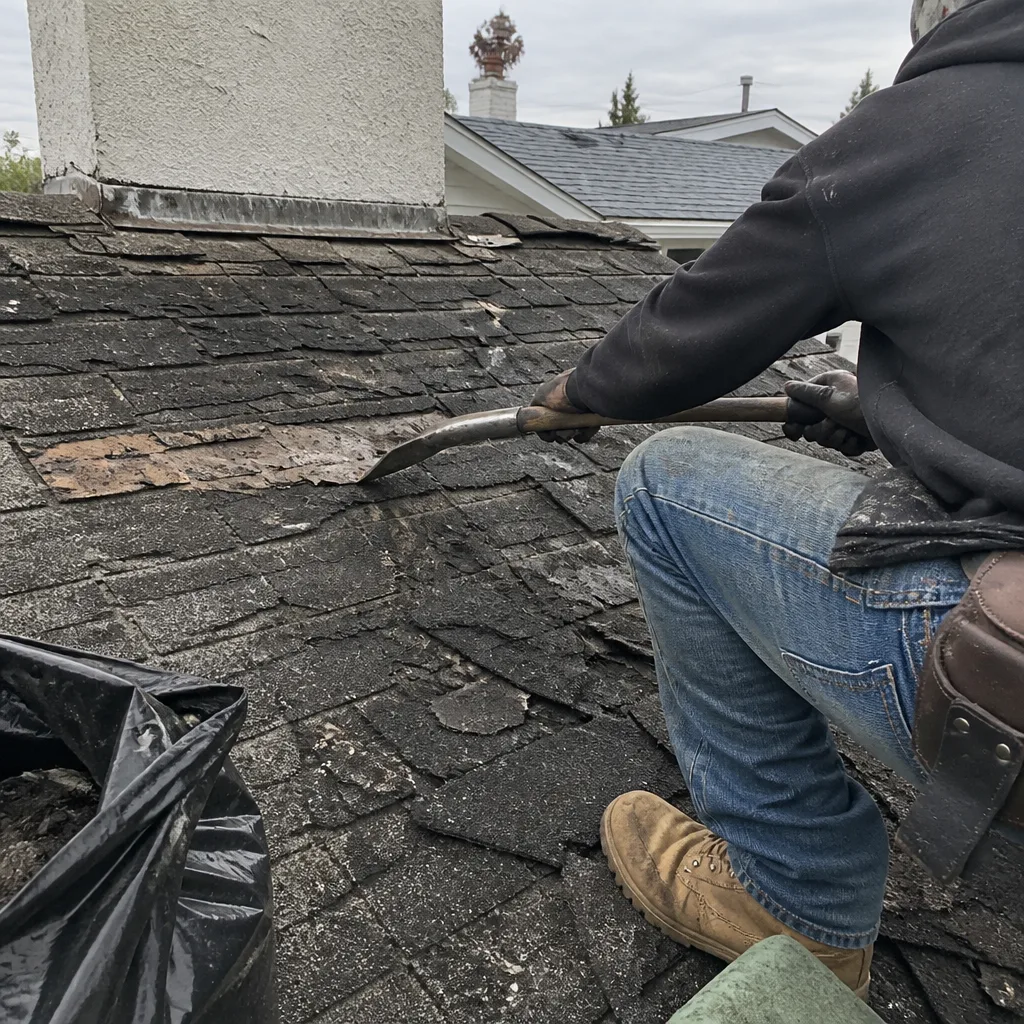 Before
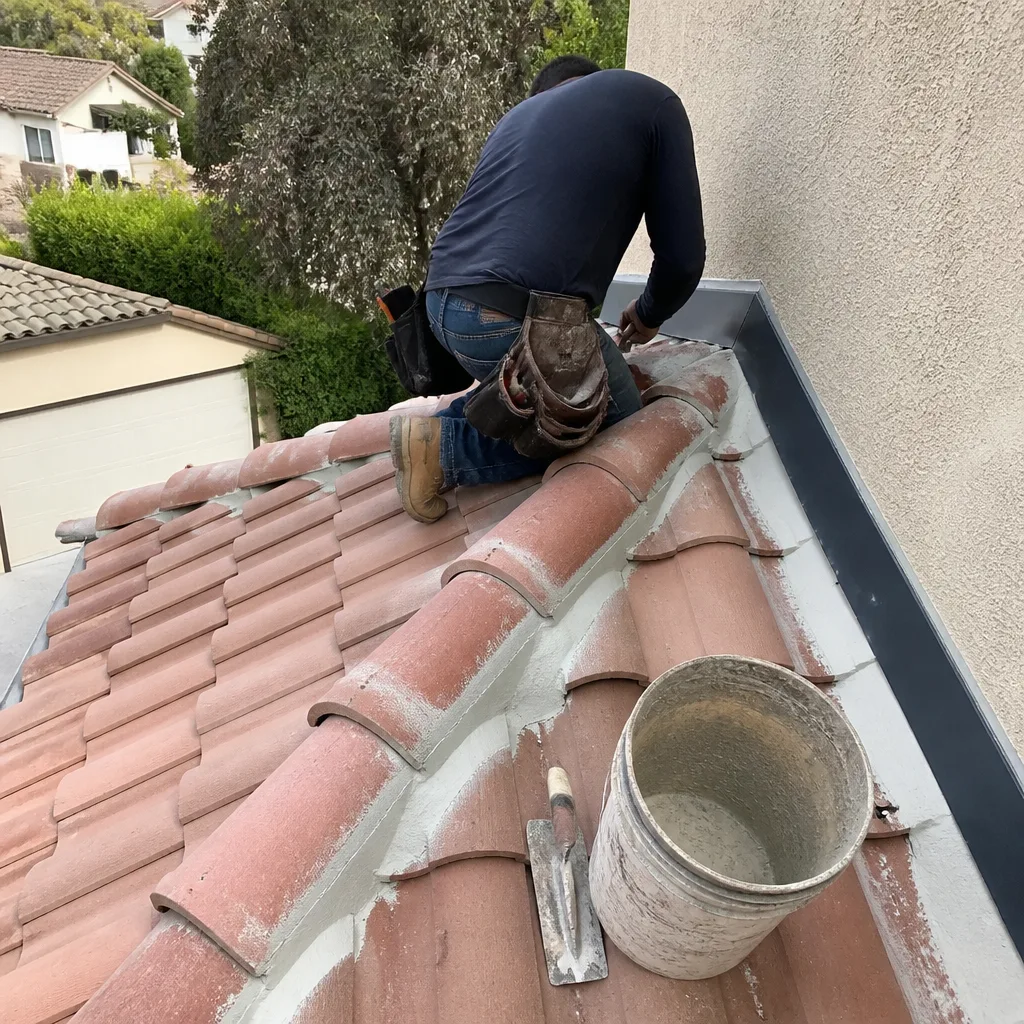 After
After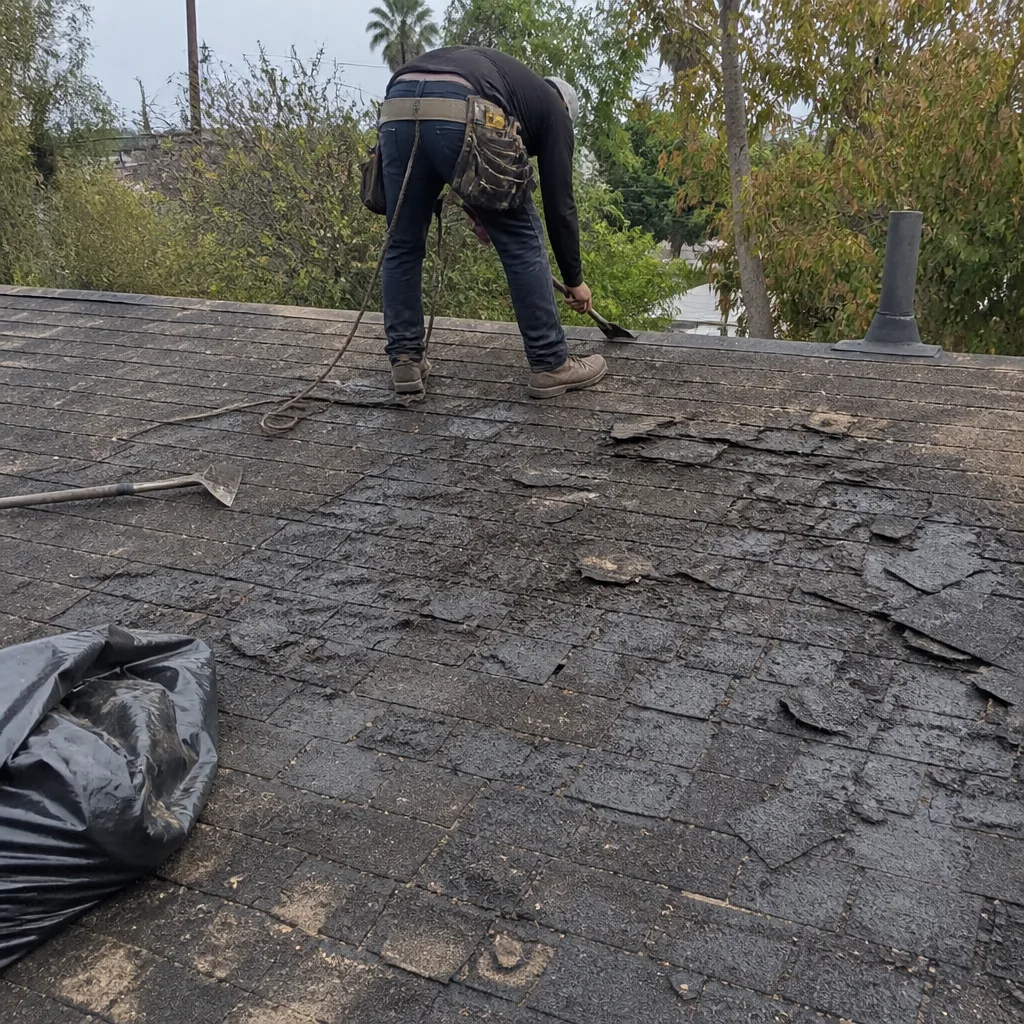 Before
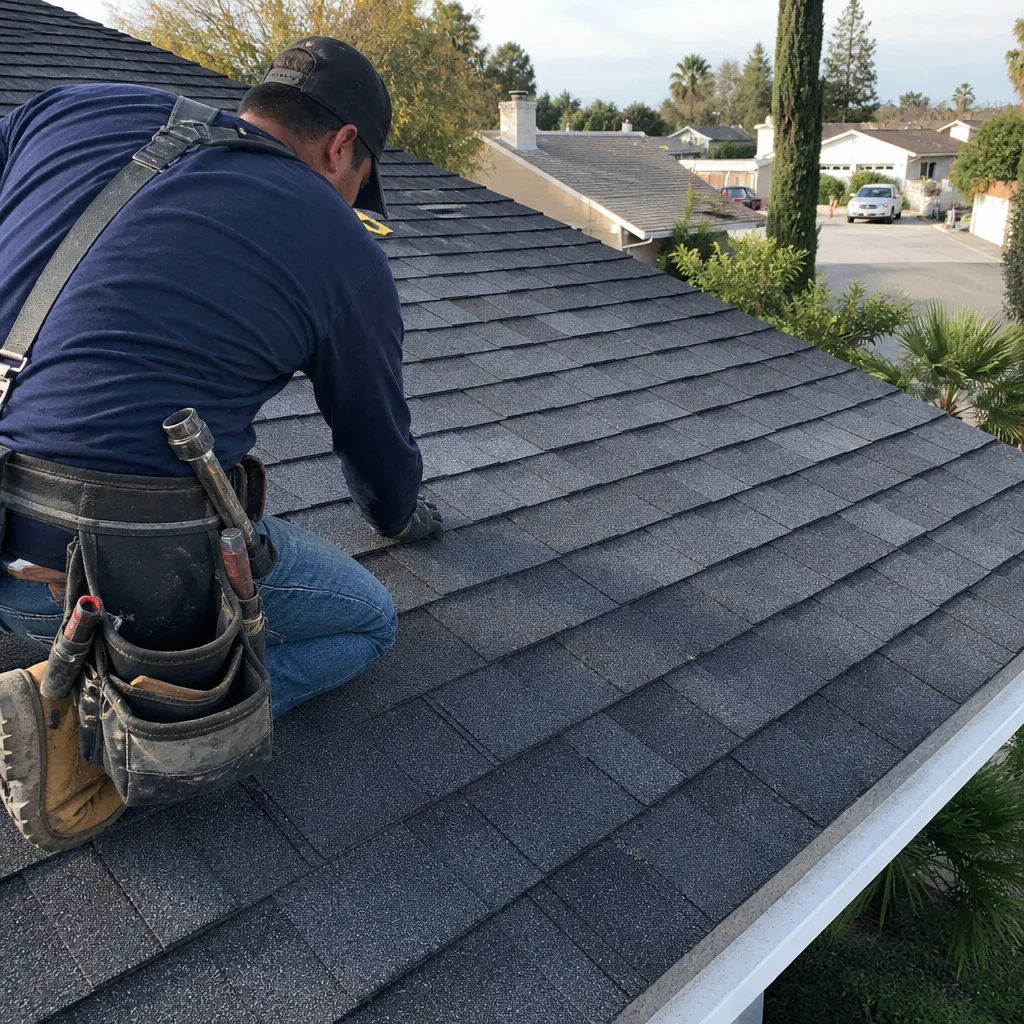 After
After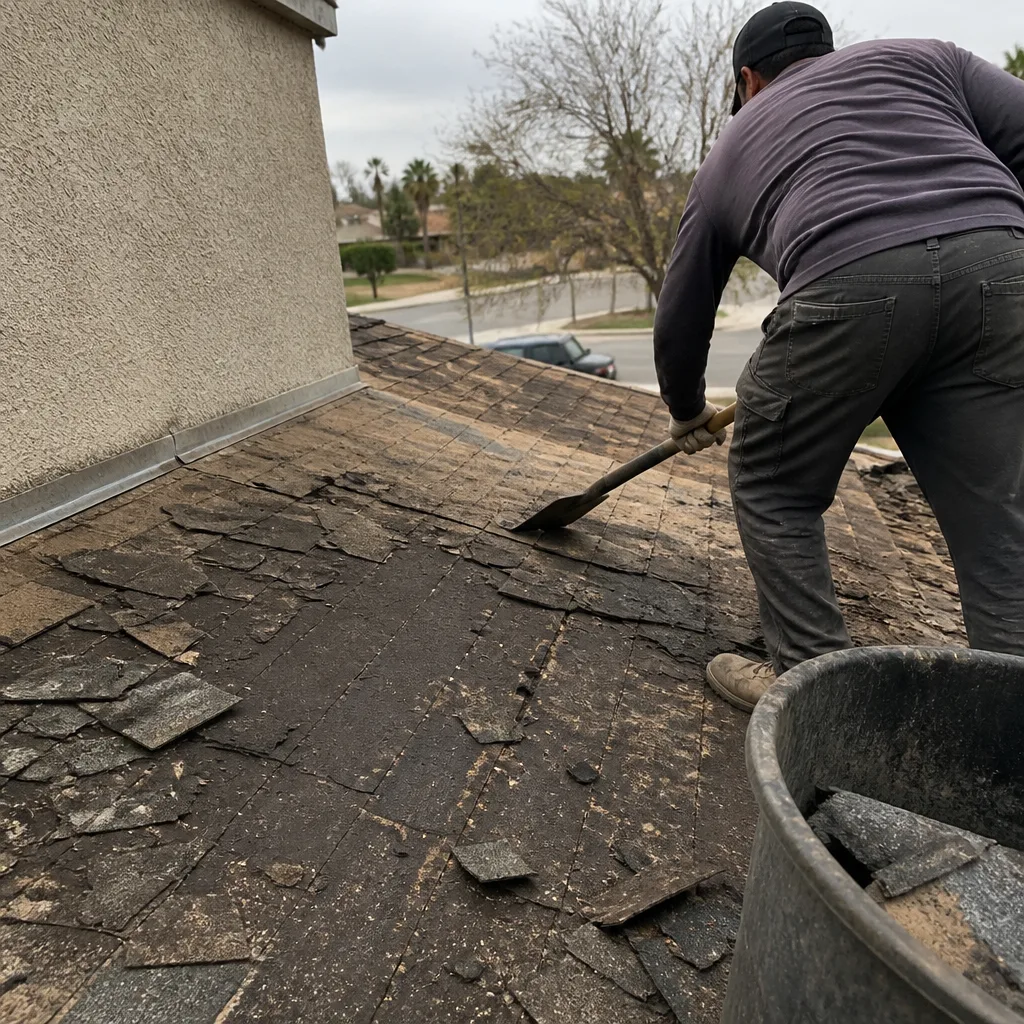 Before
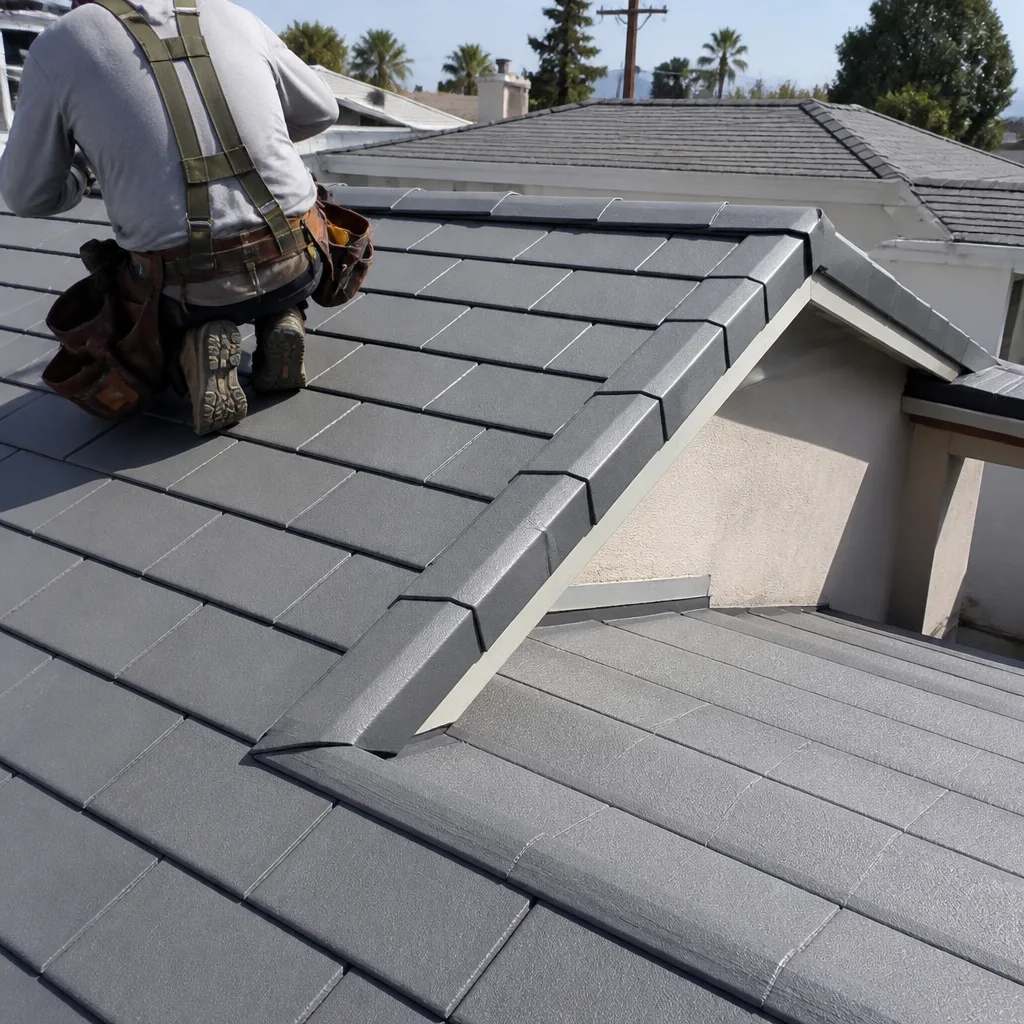 After
After