
Last updated October 17, 2026
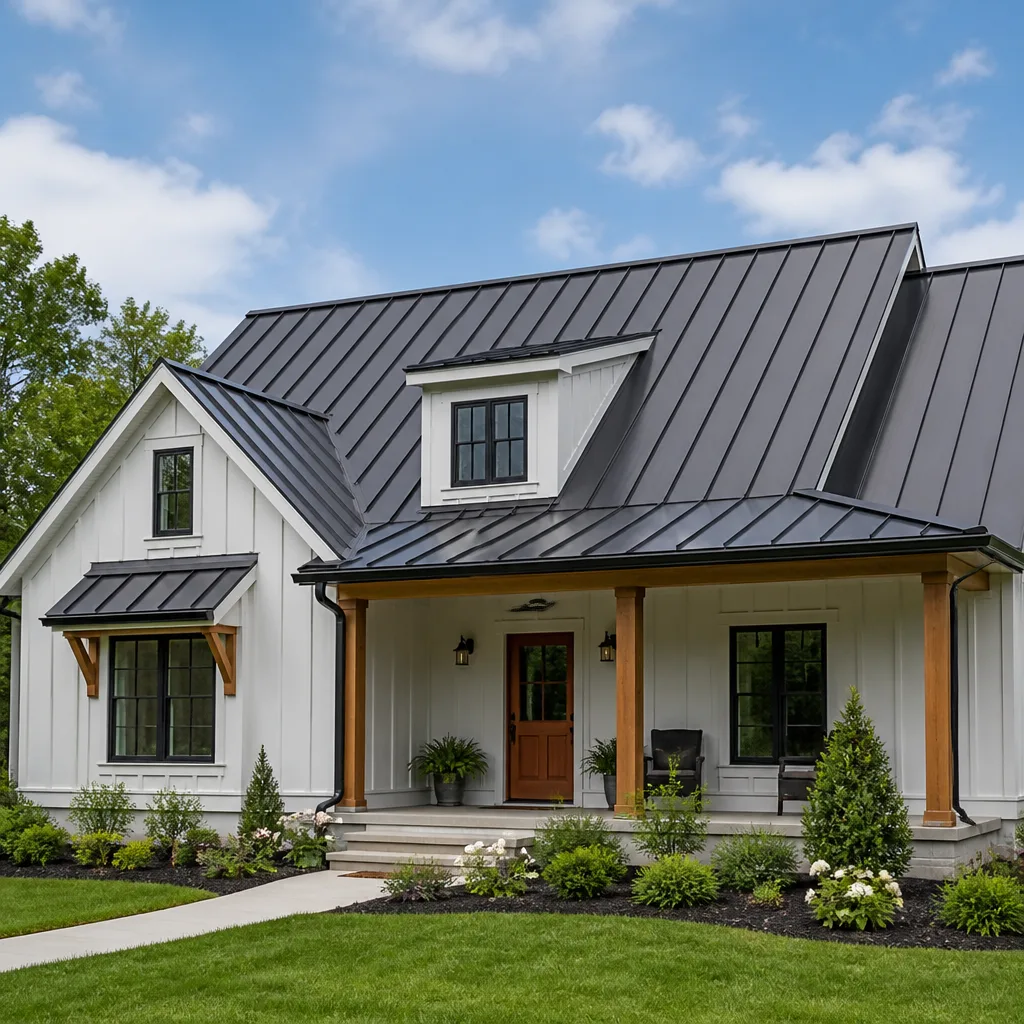 Metal roofing
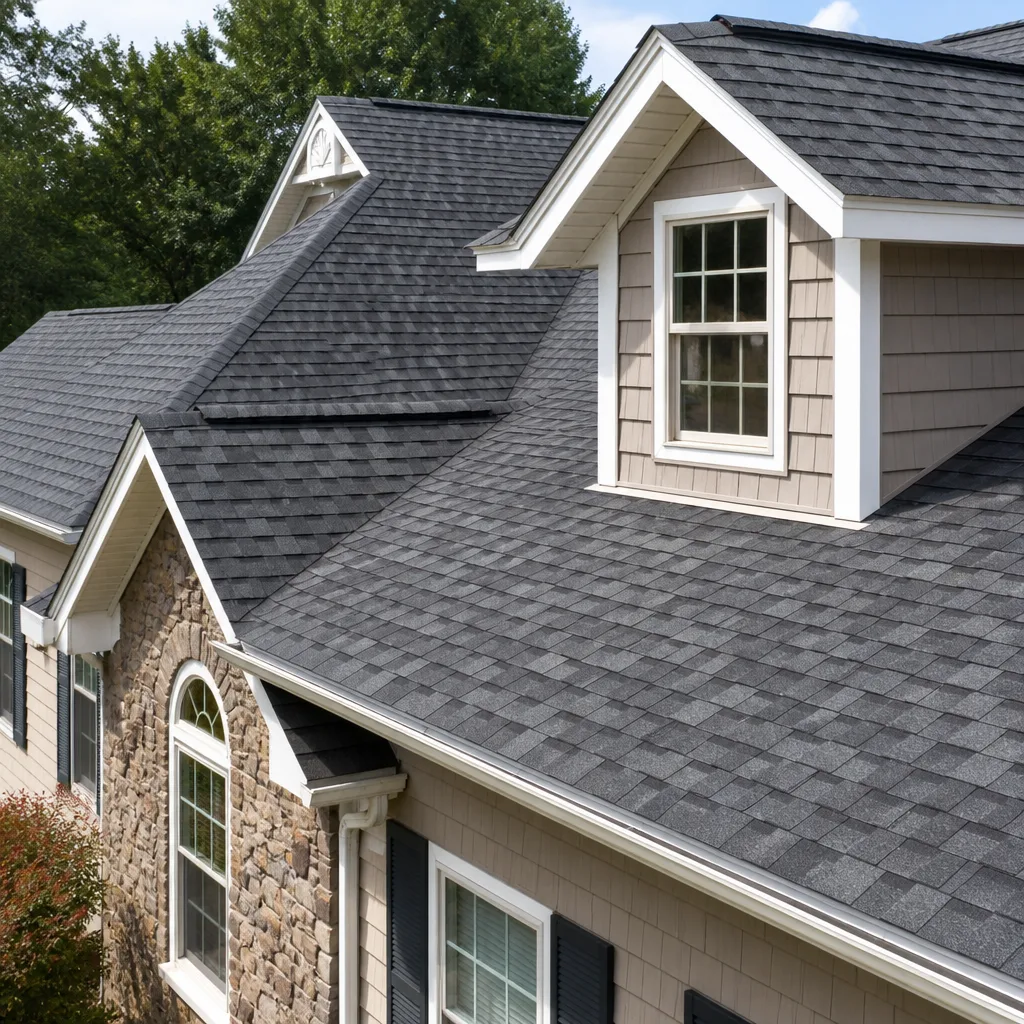 Architectural shingles
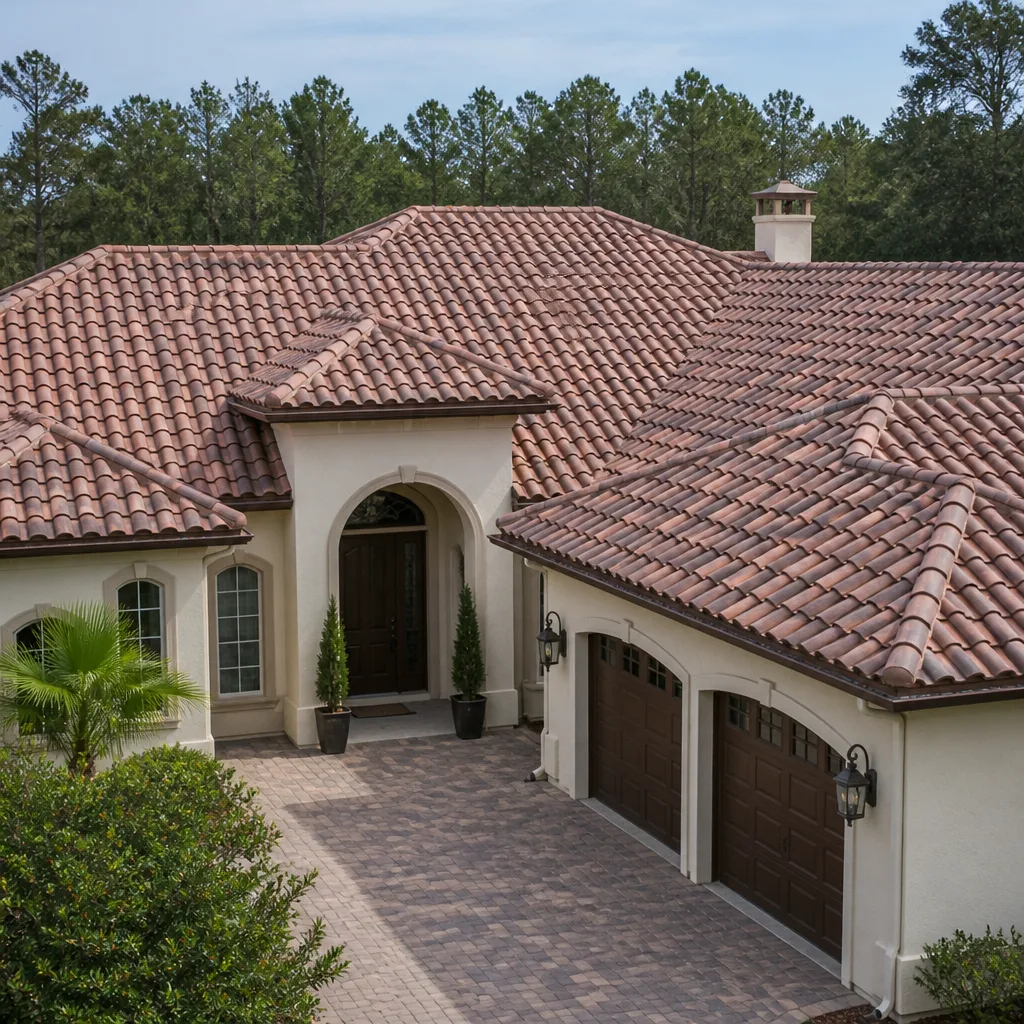 Tile roofing
 GAF
GAF Owens Corning
 Flat & low-slope
Free roof inspection with deck photos before we talk money - GAF and Owens Corning certified installation
DIY vs Professional Roofing: The Los Angeles Homeowner’s Decision Guide
The question isn’t whether you can climb onto your roof. The question is whether the roof you build will survive the next Santa Ana wind event, the next fire-season inspection, and the next insurance underwriting review. A homeowner in Los Angeles can legally install their own roof, but if the property sits in a Very High Fire Hazard Severity Zone, the materials and installation method must meet Class A fire-resistance standards that require specific documented installation steps. A missed detail doesn’t just void a warranty; it can affect a post-fire insurance claim. This guide walks through what California law actually allows, where the real savings are, and where the costs of DIY go beyond the price of shingles.
Quick Answer
For most Los Angeles homeowners, professional roofing is the financially safer choice once permit requirements, fire-zone compliance, and warranty implications are factored in. DIY makes sense for a narrow set of tasks: replacing a few cracked tiles, cleaning gutters, resealing a small flat-roof section. Full roof replacement, any work involving structural decking, and any project in a Wildland-Urban Interface zone should go to a licensed contractor with documented Class A installation experience; see our How to Hire a Roofing Contractor in Los Angeles: A Step-by-Step Guide for what to look for.
Styles & brands we work with
Table of Contents
- What California Law Actually Says About DIY Roofing
- Owner-Builder Permits: The Disclosure Obligation Nobody Mentions
- Fire Zone Compliance: When DIY Becomes a Liability
- Tasks That Are Reasonable for a Competent LA Homeowner
- Tasks Where DIY Risk Outweighs Any Savings
- The Honest Cost Comparison: DIY vs Professional in Los Angeles
- Insurance Claims: Why Documentation Has Become a Claims Asset
- Hillside Properties: Drainage and Slope-Stability Liability
- Common Mistakes to Avoid
- When to Call a Professional
- Frequently Asked Questions
What California Law Actually Says About DIY Roofing
California does not require a roofing contractor license for a homeowner working on their own primary residence. Under Business and Professions Code Section 7044, an owner-builder exemption permits residential property owners to pull permits and perform construction work themselves, including roofing. That’s the headline. The fine print is where the decision gets complicated.
Two conditions attach to that exemption. First, the homeowner must physically do the work or directly supervise any unlicensed helpers they hire. You cannot use the owner-builder exemption to hire an unlicensed laborer while you stay at the office; the moment you do, you’re acting as an unlicensed contractor, which carries fines and potential misdemeanor charges. Second, the exemption applies to the structure you live in. Investment properties, rental units, and homes you’re flipping do not qualify.
In practice, we’ve watched competent DIYers handle a simple tile repair on a Thursday afternoon and do fine. We’ve also watched a homeowner in Sherman Oaks pull an owner-builder permit for a full reroof, discover mid-project that the decking had dry rot under the old shingles, and end up paying more than a professional bid would have cost because the disposal and rental clock kept running. The legal ability to do something is not the same as a financial reason to do it.
Owner-Builder Permits: The Disclosure Obligation Nobody Mentions
When a homeowner pulls an owner-builder permit in Los Angeles, they sign a certification stating they are performing the work themselves or directly supervising their own employees. That signature creates a legal record attached to the property address. Here’s what most guides skip: if you sell the home within one year of completing owner-builder work, you must disclose that the roofing was installed under an owner-builder permit.
The disclosure matters because buyers and their lenders treat owner-builder work differently. A buyer’s home inspector will flag it. A lender may ask for documentation that licensed subcontractors handled specific components. A buyer’s insurance carrier may ask who installed the roof and whether the installation met manufacturer specifications. None of this makes an owner-builder roof inherently defective. It does make the sale more complicated, and in a cooling market, complications cost sellers money.
For a homeowner in Los Angeles who plans to stay in the house for a decade, the disclosure obligation is a non-issue. For someone who might sell in the next five years, it’s a real consideration. The disclosure doesn’t disappear when the calendar hits day 366; it remains relevant as long as records show the owner-builder work happened, and savvy buyers ask.
Fire Zone Compliance: When DIY Becomes a Liability
Large sections of Los Angeles sit within zones the state designates as Very High Fire Hazard Severity Zones. The hillside neighborhoods of Bel Air, Brentwood, Encino, Studio City, and parts of the San Fernando Valley all fall under this classification. In these zones, California Building Code Chapter 7A requires specific fire-resistant roofing assemblies, and installing them correctly means following manufacturer-documented steps that are not intuitive.
A Class A fire rating on a shingle does not automatically transfer to the roof assembly. The rating depends on the complete system: underlayment, flashing, ridge cap, and edge details working together. Manufacturers like Owens Corning and CertainTeed publish installation guides that run dozens of pages, and a single missed step, like a non-compliant underlayment layer or an incorrect fastener pattern, changes the assembly’s fire performance.
Here’s the part that should make a DIY homeowner pause. If a fire damages the home and the insurance carrier’s investigator finds the roof assembly did not match the documented Class A installation method, the claim can be reduced or denied. This is not a hypothetical. California insurance carriers scrutinize roof documentation more aggressively than they did five years ago, and the burden of proof falls on the homeowner to show the installation met code. A licensed contractor’s work order, manufacturer certification, and permit sign-off create that paper trail. A stack of receipts from a home improvement store does not.
Our recommendation: if you live in a fire zone, do not install your own roof. The risk profile is fundamentally different from a homeowner in a flat, urban part of Los Angeles where fire compliance is not the governing issue.
Tasks That Are Reasonable for a Competent LA Homeowner
We’re not anti-DIY. There are genuine maintenance tasks a careful homeowner can handle safely and well, and doing them saves real money. The key is staying within the scope of what you can verify visually and what does not require a permit. For a full list, see our Roofing Company Maintenance Checklist for Los Angeles Homeowners.
Here are the tasks we consider reasonable for a competent homeowner in Los Angeles:
- Replacing a small number of cracked concrete or clay tiles. If you can identify the broken tile, access it safely, and have an identical replacement, this is a one-hour job. Most cracked tiles are visible from the ground or a ladder. You do not need to walk the roof to spot them.
- Cleaning gutters and downspouts. Los Angeles gets long dry spells punctuated by intense rain. Gutters clogged with sycamore leaves and pine needles from Griffith Park-area trees overflow and send water where it should not go. Cleaning them twice a year is straightforward, low-risk work.
- Applying sealant to a small flat-roof area. For a modest spot, like a corner where water pools on a garage roof, a quality elastomeric sealant applied per the manufacturer’s instructions can extend the roof’s life. Keep the area small, clean it thoroughly first, and check the weather forecast for three clear days.
- Replacing a damaged piece of flashing that is easy to reach. Flashing is the metal that protects roof intersections like chimneys and vent pipes. If a piece is loose and you can access it without walking on a steep slope, a replacement is doable.
- Inspecting the roof after a storm. You know your home better than anyone. After a heavy rain or Santa Ana wind event, walk the perimeter, photograph anything that looks off, and compare notes from season to season. Early detection saves money.
Each of these tasks shares two characteristics: they are visible, and mistakes are easy to catch. If you replace a tile and it looks seated correctly, it probably is. If you reseal a small flat section and it holds through the next rain, it worked. The stakes stay proportionate to the work.
Tasks Where DIY Risk Outweighs Any Savings
Some roofing work falls into a category where the downside of a mistake is not a leak; it’s a $15,000 repair, a structural issue, or an injury. High-tension components and structural layers do not forgive small errors.
Leave these tasks to a professional:
- Full roof replacement. A reroof involves tearing off the old material, inspecting and often replacing decking (the wood layer under the shingles), installing new underlayment, and laying the top material correctly. Errors compound. A roof replacement done wrong fails slowly, and by the time you see the damage, the repair bill is bigger than the original job.
- Decking repair or replacement. If the wood beneath your roofing material is rotted, soft, or sagging, the problem is structural. Fixing decking requires removing large roof sections, bracing, and sometimes replacing joists. This is not a weekend project.
- Skylight installation or replacement. Skylights are leak-prone even when installed by experts. The flashing sequence, curb height, and underlayment integration must be exact. If a professional skylight has a 10% leak rate, the DIY rate is far higher.
- Any work in a fire zone requiring Class A assembly documentation. As covered above, the documentation itself is the product in fire country. A roof you install yourself in a Very High Fire Hazard Severity Zone creates an uninsurable documentation gap.
- Steep-slope work. Los Angeles has homes on grades that start at walkable and end at terrifying. A 6/12 pitch (the roof rises 6 inches for every 12 inches of horizontal run) is walkable with care. An 8/12 or steeper pitch is a fall risk for anyone without roofing safety training. Falls from roofs account for a significant share of residential construction injuries, and the statistic is not worth becoming a data point in.
One additional note on safety: roofing involves working at height, and that risk is real even on flat single-story homes. A fall from a ten-foot eave onto concrete can be fatal. If you take on any DIY roofing task, use proper fall protection, have a second person on site, and do not work when the roof is wet or when wind gusts exceed 15 mph. If you’re not equipped for that, call a professional. It’s cheaper than an ambulance ride.
The Honest Cost Comparison: DIY vs Professional in Los Angeles
Let’s put numbers on the table. The following figures reflect what we see in the Los Angeles market in 2025, and we’re going to be straight with you: DIY rarely saves as much as the initial materials price suggests. For a deeper dive, see our Roofing Cost Breakdown: The Los Angeles Homeowner’s Reference for 2026.
For a typical 1,800-square-foot single-story home with an asphalt shingle roof, a professional roof replacement in Los Angeles runs between $14,000 and $22,000 depending on material grade, roof complexity, and whether any decking needs replacement. That price includes tear-off, disposal, underlayment, shingles, flashing, permits, and labor.
Here’s what the DIY version looks like on the same house:
- Materials (shingles, underlayment, fasteners, flashing): $6,500 to $9,500 for a mid-grade architectural shingle from Owens Corning, CertainTeed, or IKO. The material alone is not cheap.
- Tool rental (dump trailer, roofing nailer, air compressor, safety harness): $500 to $900 for a one- to two-week rental window.
- Permit and inspection fees (Los Angeles Department of Building and Safety): $800 to $1,800 depending on the scope.
- Disposal (roof tear-off debris): $600 to $1,400 for dumpster rental and landfill fees.
- Time cost: A competent DIYer working evenings and weekends needs three to six weeks. A professional crew finishes in two to four days.
Add those up and DIY lands between $8,400 and $13,600 in cash outlay. The savings look real, around $3,000 to $8,000, until you factor in three things the material receipt won’t show. First, the DIY project has no workmanship warranty; if it leaks in month three, the fix is fully on you. Second, the homeowner’s time has value, and three to six weekends of roofing labor is a significant life cost. Third, if a mistake damages the decking or causes interior water damage, the repair cost can exceed the original professional bid. We have seen this exact sequence in homes across Los Angeles more times than we can count.
For roof repair, the numbers are smaller but the pattern holds. A typical asphalt shingle repair, replacing damaged flashing around a vent pipe and resealing, runs $500 to $900 professionally. The DIY version costs $60 to $120 in materials but carries a meaningful chance that the repair does not hold through the next heavy rain, at which point the interior damage begins. Repairs are where professional pricing is most competitive, because the material cost is low and the knowledge cost is high.
Insurance Claims: Why Documentation Has Become a Claims Asset
California’s insurance market has changed. Carriers have pulled back from the state, premiums have climbed, and underwriters are now asking questions about roof condition that they never asked before. In this environment, a licensed contractor’s documentation is not a formality; it is a claims asset.
When a professional roofing company in Los Angeles completes a job, the homeowner receives: a signed contract with a written price, a permit with final inspection sign-off, a manufacturer’s warranty registration, and a workmanship warranty in writing. If a claim arises, whether for storm damage or fire, the homeowner can produce a paper trail showing the roof was installed by a licensed contractor to code.
An owner-builder roof has none of that. The homeowner can show receipts and perhaps permit records, but the manufacturer’s warranty on the shingles may exclude owner-builder installation, and the workmanship warranty does not exist. In a dispute with an insurance carrier, that documentation gap is a structural disadvantage. The carrier is not accusing the homeowner of bad work; it is simply noting that the installation quality cannot be independently verified.
The insurance angle matters most for homeowners in Los Angeles neighborhoods where wildfire risk is underwriting policy. In those areas, the roof is one of the first things an underwriter examines. A documented Class A installation by a licensed professional is exactly what the carrier wants to see. An undocumented owner-builder installation is a reason to look closer.
Hillside Properties: Drainage and Slope-Stability Liability
Los Angeles is a city of hills, and hillside homes carry a liability exposure that flat-lot homes do not. When a roof on a hillside property drains incorrectly, the water does not simply pool in a yard; it flows downhill. If the drainage from your roof saturates the soil on a slope, and that saturation contributes to soil movement, the neighbor downhill has a legal claim.
This is not a rare edge case. Hillside property owners in Los Angeles have litigated slope-stability and drainage disputes for decades, and the courts treat water runoff seriously. A roof that drains over the edge of a downslope lot, rather than into a controlled drainage system, can create exactly the kind of continuous water discharge that leads to erosion and retaining wall failures.
A professional roofer evaluates drainage as part of the job. Gutter placement, downspout routing, drip edge details, and the roof’s overall water-shedding design all interact with the slope below the house. A DIY roofer is usually focused on keeping water out of the attic, not on where the water goes after it leaves the roof. On a hillside, that second question is the one that keeps lawyers employed.
If your Los Angeles home sits on a slope, on a canyon edge, or below a natural runoff path, this single consideration should push the decision toward professional installation. The roofing cost difference is small compared to the cost of defending a slope-stability claim.
See the difference
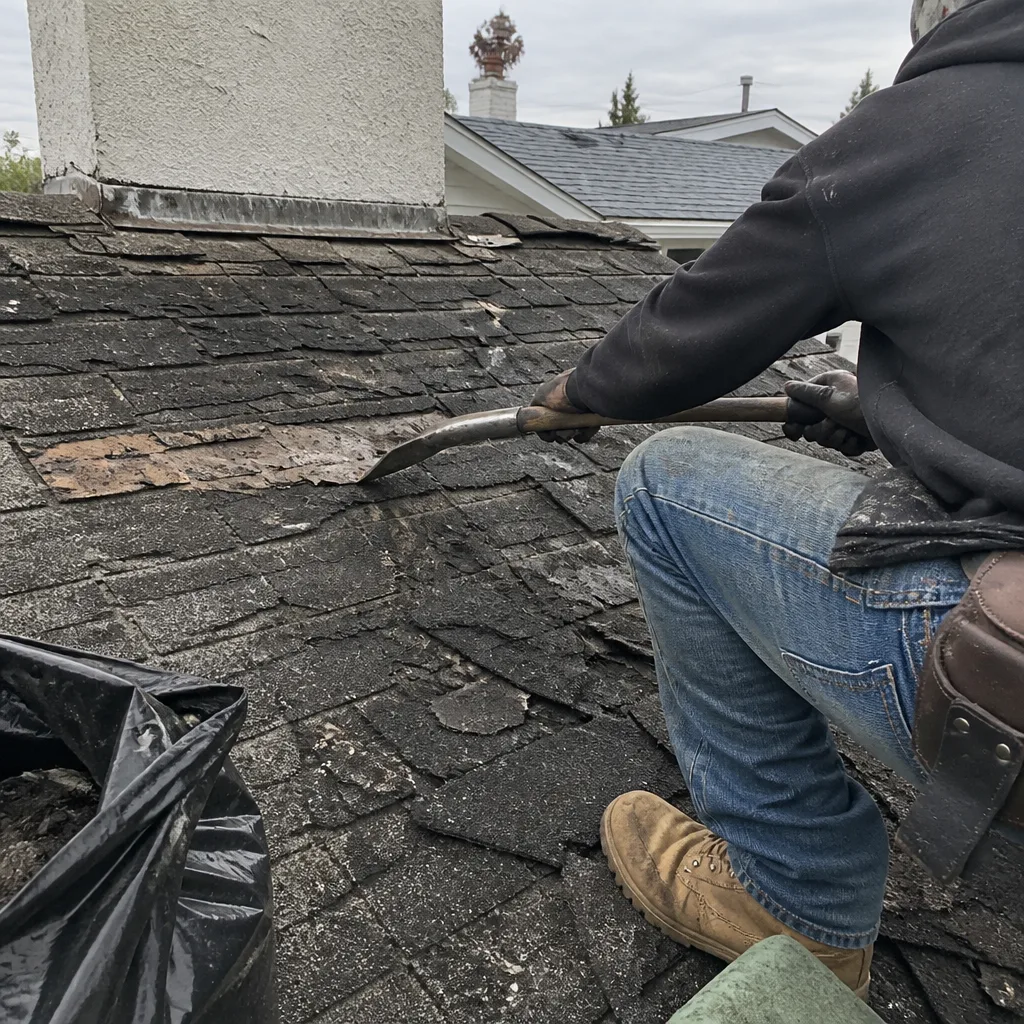 Before
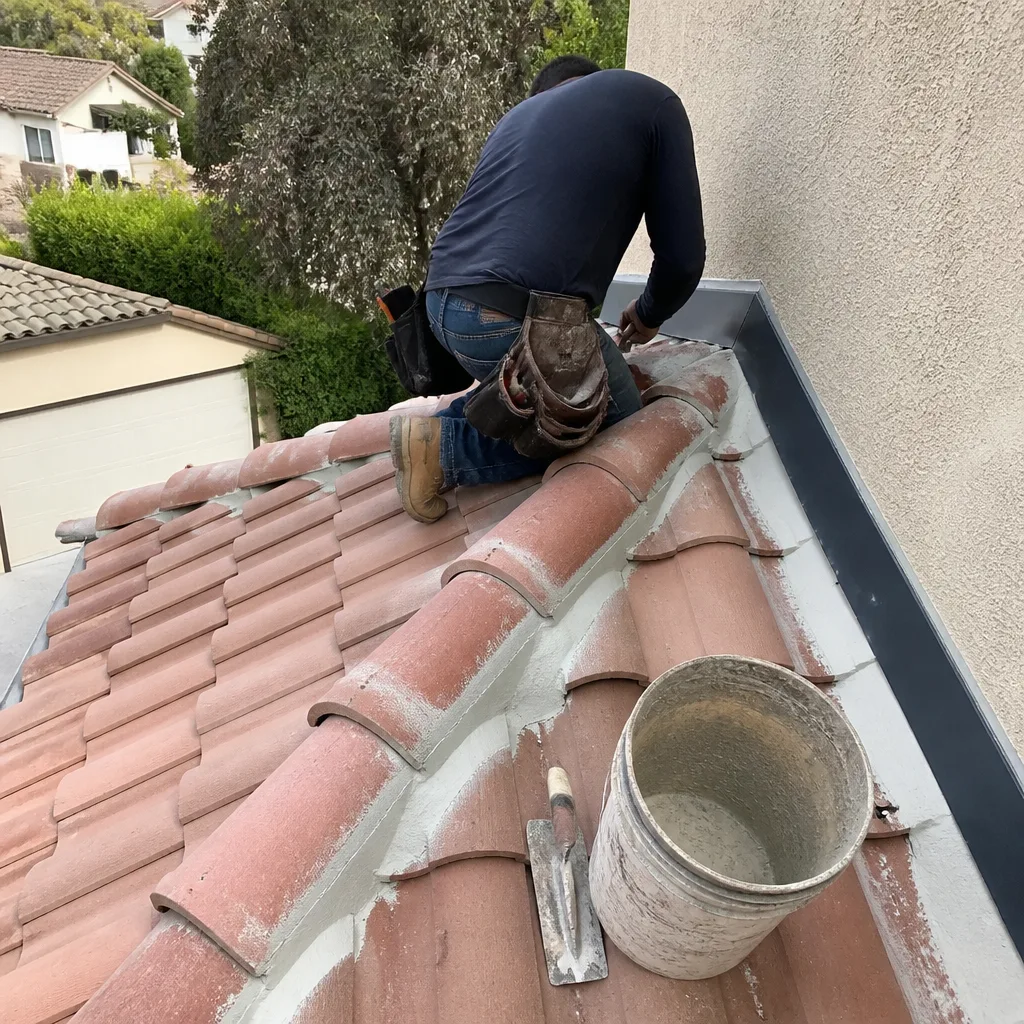 After
After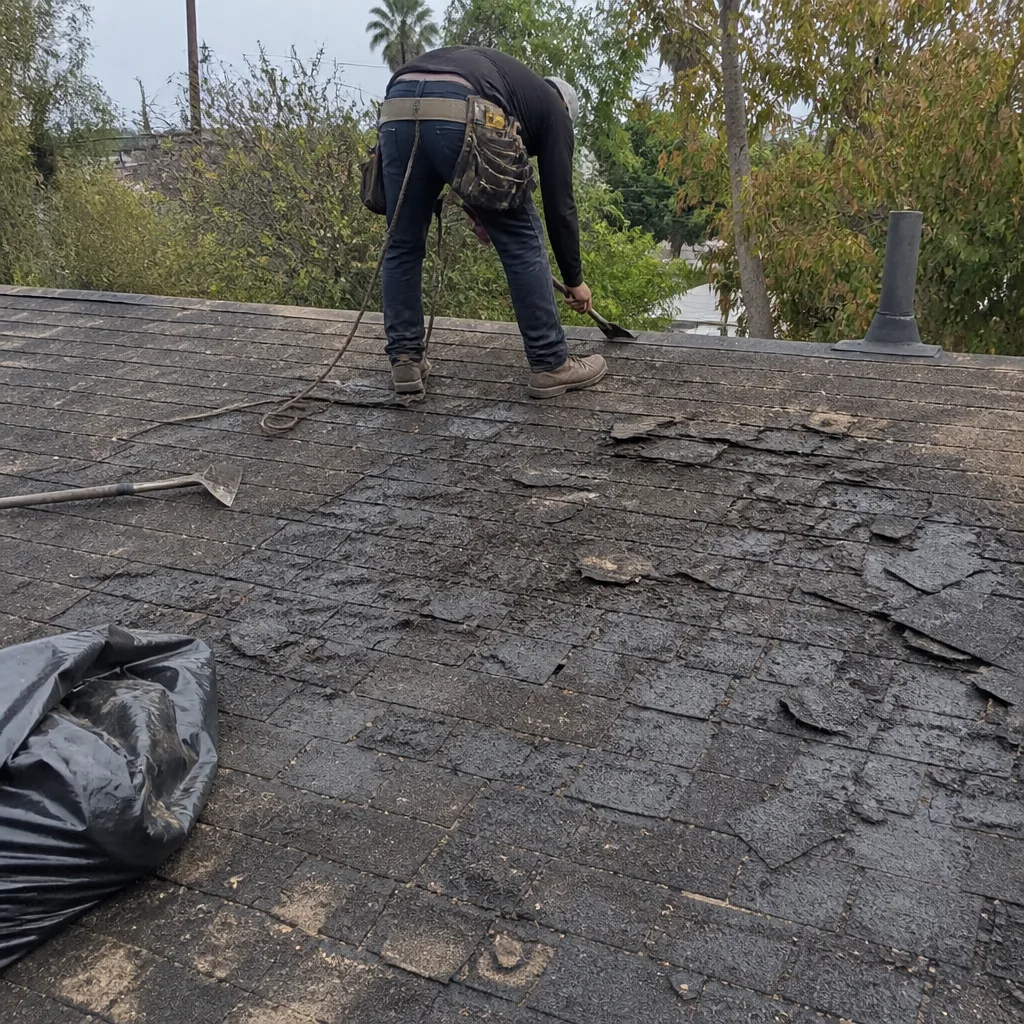 Before
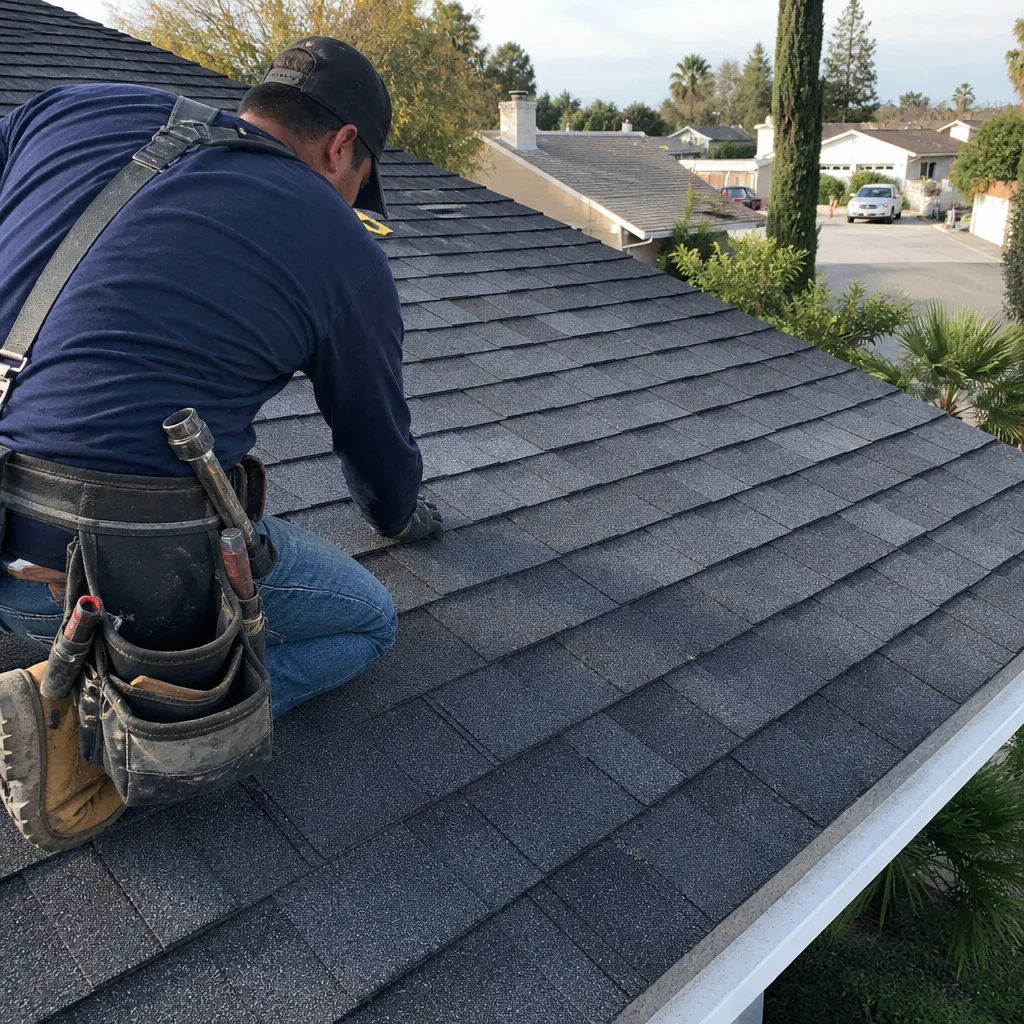 After
After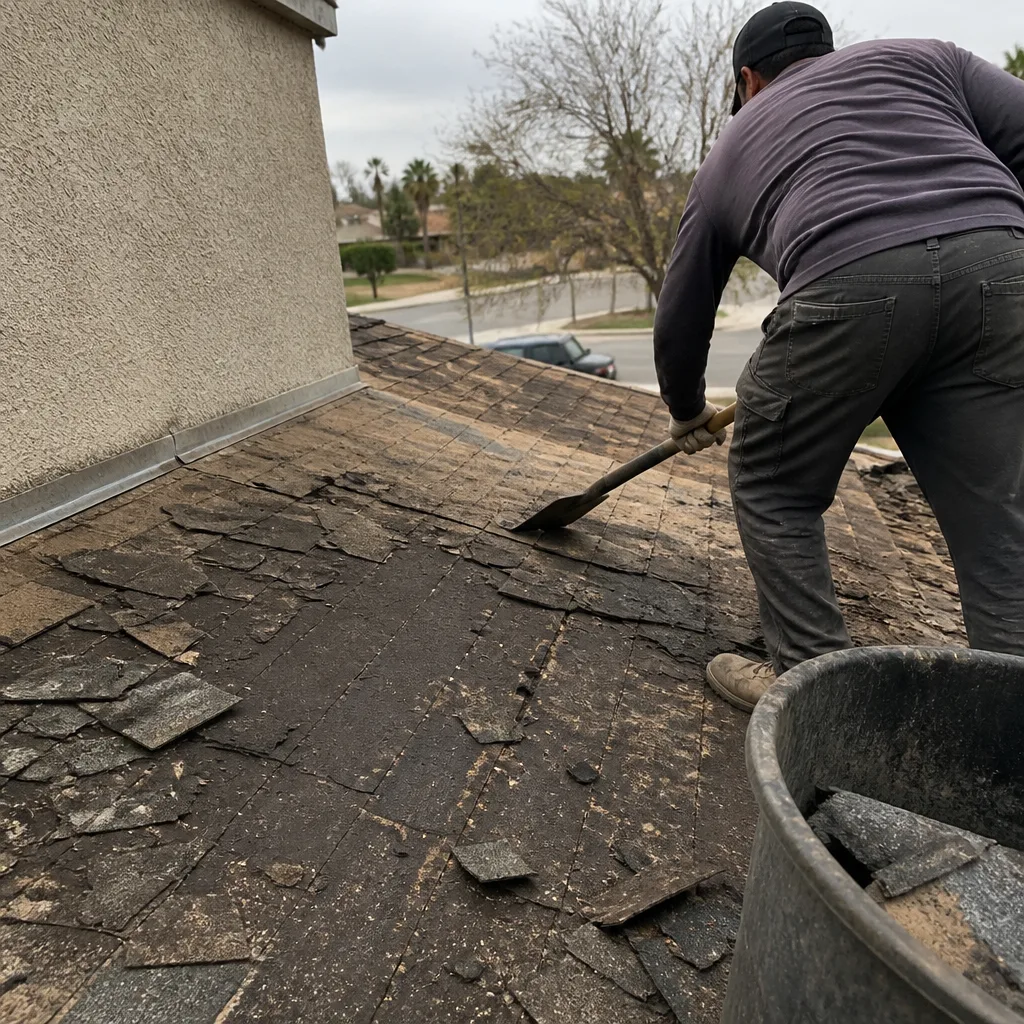 Before
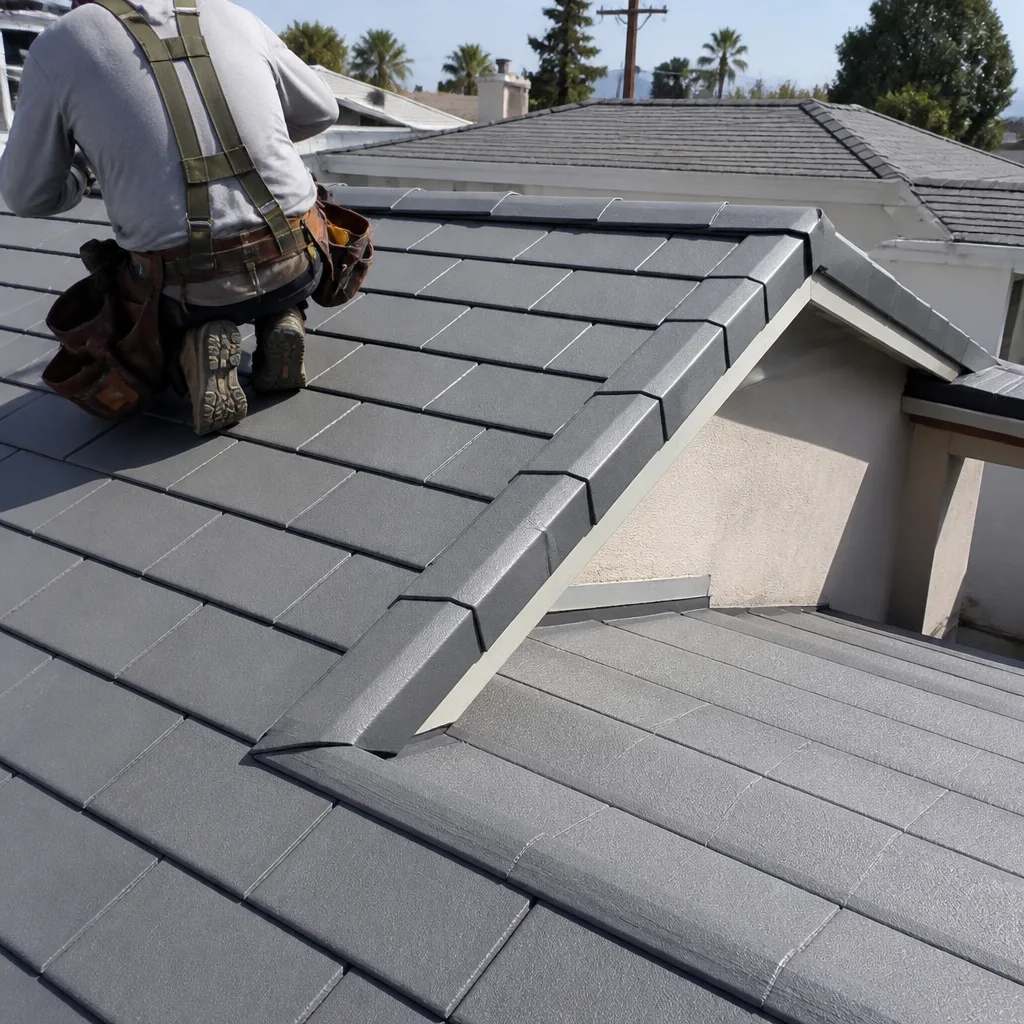 After
AfterThree Questions to Ask Before You Decide
Before committing one way or the other, answer these three questions honestly. They will tell you more than any generic guide.
- What is the actual consequence if I get this wrong? A cracked tile replacement that fails means another cracked tile. A full reroof that fails means water intrusion, decking rot, and possibly a structural repair that costs more than the original job. Scale the consequence honestly.
- Am I in a fire zone or a hillside drainage-sensitive area? Both conditions change the calculation substantially. Fire zones demand documentation. Hillsides demand drainage expertise. If either applies, the professional route protects you beyond the roofing itself.
- Will I still be in this house in five years? If yes, the owner-builder disclosure obligation may not matter much. If no, it becomes a negotiation point at the closing table. Even a well-installed DIY roof raises buyer questions that a professionally installed roof does not.
What Greg Holloway Says About the DIY Decision
“I’ve never talked a homeowner out of a project they genuinely wanted to do. What I tell people is this: know where the line is. Replacing cracked tiles and cleaning gutters is fine. Once you’re talking about removing the existing roof, you’re now a general contractor for a week, and a general contractor has to manage disposal, weather, safety, and building code. Most homeowners are glad they hired that out.”
That perspective comes from Greg Holloway, who has led Tilehurst Roofing Los Angeles since its founding as part of the Kingswell family of roofing companies in 2000. The company has built its reputation on a simple standard: say the price before the work, show up in the window we gave, leave the place cleaner than we found it, put the guarantee in writing, and come back if it fails.
Common Mistakes to Avoid
- Underestimating the permit and inspection process. Los Angeles Department of Building and Safety requires permits for roof replacement and most structural repairs. Skipping the permit saves money today and creates a disclosure and insurance problem tomorrow. The inspection is also a safety check; an inspector will catch the code violation your roofing supplier never mentioned.
- Buying materials before assessing the decking. Shingles go on top of decking, and if the decking is rotted or delaminated, the shingles will fail regardless of how well you install them. Professionals inspect and often replace decking before the new roof goes on. DIYers frequently discover rotted decking after the old roof is off, which is the most expensive possible time to find out.
- Ignoring drip edge. Drip edge is the metal strip that directs water off the roof edge and into the gutter, rather than behind the fascia board. It is cheap, easy to overlook, and responsible for a meaningful share of the water damage we repair around eaves in Los Angeles homes.
- Using the wrong fastener pattern. In high-wind areas, which includes most of the San Fernando Valley and the foothills during Santa Ana season, the fastener count and placement on each shingle matters. Under-driving fasteners leads to shingles peeling off in wind. Over-driving cuts through the shingle. The manufacturer’s installation guide specifies the pattern, and it varies by shingle line.
- Not checking for a second layer. Los Angeles allows a limited re-cover over one existing shingle layer in some cases. Building over a second layer without checking for code compliance can create a weight problem and a fast-failure scenario. A professional checks before ordering materials.
- Assuming all shingle brands install the same way. An Atlas shingle and an Owens Corning shingle are not interchangeable in their installation details. Nailing zones, exposure, and overlap differ. Reading the manufacturer’s guide for the exact product you bought is non-negotiable.
- Working alone. Roofing is a two-person job even for simple tasks. A second person spots ladders, hands materials up, and calls for help if something goes wrong. The savings from not paying an extra pair of hands vanish the moment you need help and there is no one there.
When to Call a Professional
Call a professional if any of these apply: your roof is over 20 years old and showing granule loss, you live in a fire zone, your home sits on a hillside, you’ve spotted water stains on ceilings or walls, the roof has visible sagging, or a previous repair failed within a year. These are not cosmetic issues; they are signs that the roof system is failing as a whole, and partial fixes will not address the underlying problem. Tilehurst Roofing Los Angeles offers free estimates in Los Angeles and will give you a written price before any work starts. Call (213) 674-2890.
Frequently Asked Questions
Yes, California’s owner-builder exemption allows a homeowner to perform roofing work on their own primary residence, but you must pull an owner-builder permit, do the work yourself or directly supervise any helpers, and disclose the owner-builder work if you sell the home within one year. Fire-zone homes must meet Class A assembly requirements regardless of who installs the roof.
A typical DIY roof replacement on a 1,800-square-foot Los Angeles home costs between $8,400 and $13,600 in materials, tools, permits, and disposal. A professional installation for the same home runs $14,000 to $22,000. The professional price includes workmanship warranty, manufacturer warranty registration, and permit sign-off, which the DIY price does not.
Many shingle manufacturers, including GAF and CertainTeed, limit or exclude warranty coverage for owner-builder installations. The warranty language varies by product line, but a common requirement is installation by a licensed contractor using the manufacturer’s documented methods. Before buying materials for a DIY project, read the warranty section carefully; the savings can disappear if the warranty never applies.
Replacing a small number of cracked tiles, cleaning gutters and downspouts, resealing a small flat-roof section, and replacing an accessible piece of flashing are all reasonable DIY tasks. These jobs are visible, mistakes are easy to catch, and the cost of failure stays proportionate to the task. Anything involving decking, full tear-off, skylights, or steep slopes should go to a professional.
Increasingly, yes. California carriers now ask about roof age, roof condition, and installation documentation as part of underwriting and claims review. A licensed contractor’s permit records, inspection sign-offs, and warranty paperwork provide the documentation carriers want. An owner-builder installation leaves a documentation gap that can complicate a claim, especially in fire-prone areas.
A standard asphalt shingle roof replacement on an average Los Angeles home takes two to four days with a professional crew of four to six workers. A DIY replacement on the same home typically takes three to six weeks of evenings and weekends. The professional timeline also includes permit inspection scheduling, which the contractor manages.
The Bottom Line
The DIY-versus-professional decision in Los Angeles is a question of consequence, not competence. A careful homeowner can handle small, visible repairs well. A full roof replacement involves permits, fire-zone documentation, structural assessment, drainage design, and insurance-relevant paperwork that rewards professional execution. If you live in a fire zone, on a hillside, or in a home you plan to sell within five years, the professional route is the financially rational choice. If you have a handful of cracked tiles and a stable roof, do the small jobs yourself and build a relationship for the big ones, or explore more guides & resources from our team. Tilehurst Roofing Los Angeles provides roof repair and full roof replacement across Los Angeles, with written pricing before any work begins and a 365-Day Done Right Promise. Call (213) 674-2890 for a free estimate.
Written by Greg Holloway, Owner at Tilehurst Roofing Los Angeles, serving Los Angeles since 2000.