
Last updated October 17, 2026
 Metal roofing
 Architectural shingles
 Tile roofing
 GAF
GAF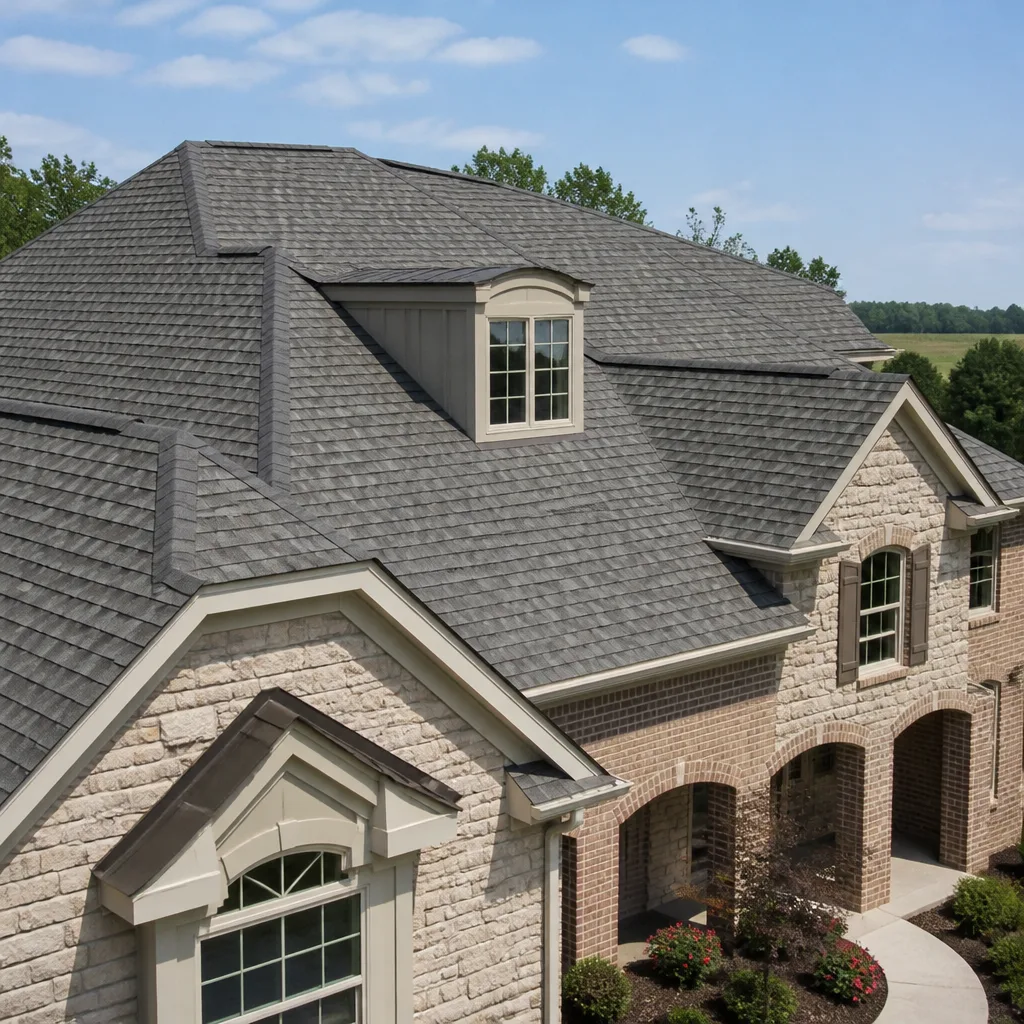 Owens Corning
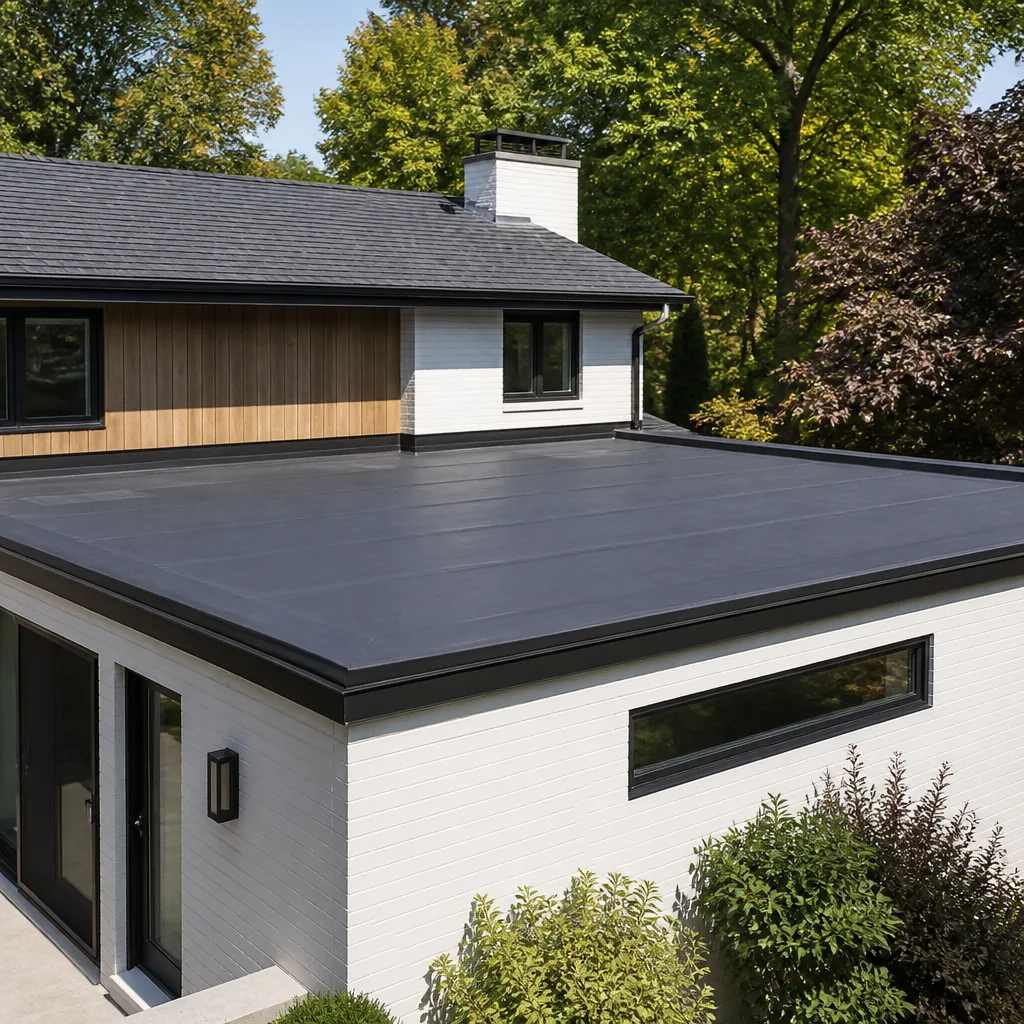 Flat & low-slope
Free roof inspection with deck photos before we talk money - GAF and Owens Corning certified installation
Roofing Cost Breakdown: The Los Angeles Homeowner’s Reference for 2026
In 2025, the average Los Angeles homeowner received three roofing quotes that differed by an average of 34% for what appeared to be the same work. In most cases, the cheapest quote excluded permit fees, a full tear-off, or code-required underlayment upgrades that the others had included. Nobody was lying. They were quoting different jobs. This guide breaks down exactly what goes into a roofing estimate in Los Angeles, line by line, so you can compare quotes on equal footing before you spend a dime. For more guides & resources on protecting your home, explore our blog. By the end, you’ll know what a fair price looks like in 2026, where the variables hide, and which questions force every contractor to show their math.
Quick Answer
A full asphalt shingle roof replacement in Los Angeles typically costs between $14,000 and $28,000 in 2026, depending on roof size, pitch, tear-off requirements, and material grade. Most single-story homes with a standard 2,000-square-foot roof land in the $16,000 to $22,000 range. Repairs run anywhere from $400 for a small flashing fix to $6,500 for a section of rotted sheathing replacement. The gap between quotes almost always comes down to scope differences, not contractor honesty, and we’ll show you exactly which line items create that spread.
Styles & brands we work with
Table of Contents
- The Six Line Items Every Los Angeles Roofing Quote Should Include
- Los Angeles Cost Variables You Won’t Find in National Guides
- Material Choices and What They Cost in LA
- Permit Costs: Repair vs. Replacement in Los Angeles
- The Mid-Tier Paradox: Why the Middle Quote Can Cost You More
- Deferred Maintenance: The $400 Fix That Becomes $4,200
- California Deposit Law: What Contractors Can Legally Ask For
- Common Mistakes to Avoid
- When to Call a Professional
- Frequently Asked Questions
The Six Line Items Every Los Angeles Roofing Quote Should Include
Most roofing estimates in Los Angeles arrive as a single page with a total at the bottom. That’s not a quote. It’s a number with no anatomy. A quote you can actually compare breaks into six distinct categories, and every one of them deserves a line-item dollar figure. Here’s what each one should look like on a 2026 estimate for a standard 2,000-square-foot roof in Los Angeles.
1. Materials: $4,500 to $9,800
For a standard asphalt shingle roof, materials alone account for roughly 30% to 40% of the total job. Entry-level three-tab shingles run about $110 to $140 per roofing square (a square is 100 square feet). Architectural shingles, which are thicker, last longer, and hold up better against LA’s UV exposure, run $150 to $220 per square. That translates to $3,800 to $5,600 for a 2,000-square-foot roof in shingles alone. Add underlayment, fasteners, ridge cap, and ventilation and material costs climb quickly. If you choose Boral concrete tile or a premium Atlas architectural line, material costs can push past $9,000 for the same roof footprint.
2. Labor: $6,000 to $12,000
Labor is the biggest single line item on any Los Angeles roofing job, typically 40% to 50% of the total. Los Angeles labor rates run higher than the national average, and hillside communities like Echo Park, Silver Lake, Mount Washington, and Pacific Palisades push that number up further because of steep-slope work and staging challenges. Expect to pay $300 to $600 per square for professional installation, with the higher end reserved for complex roofs with multiple valleys, dormers, or pitch angles above 7:12. A crew of four to six workers typically needs three to five days for a full tear-off and replacement.
3. Tear-Off and Disposal: $1,800 to $4,500
This is the line item most often “accidentally” left off cheap quotes. Removing an old roof in Los Angeles requires a dumpster or roll-off bin, hauling fees, and labor. For asphalt shingles, tear-off and disposal runs $90 to $130 per square. For tile roofs, it’s significantly more. Clay and concrete tile are heavy, sometimes doubling disposal fees because the landfill charges by weight, and Los Angeles transfer stations don’t cut deals. A 2,000-square-foot tile roof tear-off can realistically run $3,500 to $4,500 before a single new shingle goes down. If a quote doesn’t list tear-off separately, ask whether it’s included. If it’s not, the price will change once the crew finds the old roof still attached.
4. Permit: $400 to $1,800
Los Angeles requires permits for full roof replacements and for repairs that exceed a certain scope. The Los Angeles Department of Building and Safety (LADBS) permit fee for a reroof typically falls between $400 and $1,200 depending on roof size and valuation, with additional fees for plan review on complex jobs. Smaller repairs often fall under a different fee schedule or may not require a permit at all, but any full replacement without a permit is a red flag. When a contractor says they can skip the permit to save you money, they’re also skipping inspections, which means no one is verifying that the underlayment was installed to code before the shingles went over it.
5. Underlayment and Accessories: $1,200 to $3,200
Underlayment is the water-resistant barrier between your decking and your shingles. It’s the last line of defense when wind-driven rain gets past the shingles, and in Los Angeles, where building codes now require specific underlayment types based on fire zone and slope, this is not a place to cut corners. Synthetic underlayment runs $15 to $25 per square installed versus $8 to $15 for basic felt. The difference on a 2,000-square-foot roof is $400 to $600. Accessories add up too: drip edge at $2 to $4 per linear foot, ridge cap at $5 to $9 per linear foot, and pipe boots at $30 to $60 each. A full accessory package on an LA roof typically lands between $1,200 and $3,200.
6. Profit Margin: 10% to 20%
Every legitimate roofing company builds a margin into the quote. That’s not greed. It’s the only mechanism that funds a written guarantee, a second visit if something fails, and a live person who answers the phone when you call. In Los Angeles, expect a margin of 10% to 20% built into the total price. Contractors who quote below 8% margin are either running on volume, subsidizing the job with subcontractor labor, or planning to make up the difference with change orders once the roof is open. At Tilehurst Roofing Los Angeles, the written price you receive before any work starts includes the margin we need to stand behind the job under the 365-Day Done Right Promise. The Kingswell Way is simple: say the price before the work, show up in the window we gave, leave the place cleaner than we found it, put the guarantee in writing, and come back if it fails.
Here’s how those six line items combine on a typical 2,000-square-foot Los Angeles roof replacement with architectural shingles:
- Materials: $5,200
- Labor: $8,400
- Tear-off and disposal: $2,600
- Permit: $700
- Underlayment and accessories: $2,100
- Margin: $3,000
Total: $22,000. That’s a realistic mid-range quote for 2026. If someone gives you $14,000 for the same roof, the money is missing from one of those six lines. Find out which one before you sign.
Los Angeles Cost Variables You Won’t Find in National Guides
National roofing cost guides are built on a flat-roof ranch house in Ohio with a gentle slope and a short drive to the dump. Los Angeles is not that. Here are the variables that move the needle specifically in LA, and why two houses three miles apart can have materially different roofing costs.
Steep-Slope Labor Premiums in Hillside Communities
The hills between downtown and the ocean don’t just create views. They create roof pitches that range from 7:12 to 14:12, and once you’re past 8:12, labor costs climb by 15% to 30%. Crews need safety harnesses, roof jacks, and staging platforms. Work goes slower. Material waste increases. In neighborhoods like Beachwood Canyon, Highland Park, and the Hollywood Hills, we regularly see labor premiums of $1,500 to $4,500 over identical roof sizes on flat lots in the Valley or South LA. If you’re getting quotes for a hillside home, ask each contractor what slope factor they applied and whether it’s reflected in the labor line or buried somewhere else.
Disposal Surcharges for Tile Roofs
Clay and concrete tile roofs are common in Los Angeles, especially in Spanish-style homes built between 1920 and 1960. Tearing one off is expensive for a reason nobody puts on the quote: weight. A tile roof can weigh three to four times what an asphalt roof weighs, and Los Angeles County transfer stations charge by the ton. Dump fees alone for a tile tear-off can run $800 to $1,500 more than an asphalt tear-off of the same square footage. Add in the slower labor and the extra trucking runs, and homeowners replacing tile with tile can expect teardown costs 40% to 60% higher than their shingle-removing neighbors.
Fire Zone Underlayment Requirements
Since the 2019 Los Angeles building code updates, homes in designated Wildland-Urban Interface (WUI) fire zones are required to install Class A fire-rated underlayment and ignition-resistant materials. That’s not optional, and it’s not cheap. Fire-rated synthetic underlayment runs $20 to $35 per square versus $15 to $25 for standard. On a 2,000-square-foot roof, that’s a $1,000 to $2,000 difference. If you’re in a fire zone, ask your contractor to confirm which underlayment they’re quoting. If two quotes differ wildly and one is significantly lower, this is often the missing ingredient. A proper roof replacement in Los Angeles in a WUI zone must clear this bar whether or not the homeowner asks about it.
Access and Staging Limitations
Older Los Angeles neighborhoods were built before the modern house-to-lot ratio. Narrow driveways, zero-lot-line construction, and hillside setbacks mean the delivery truck can’t always park at the door. When materials need to be hand-carried up a 40-foot driveway or wheeled around a hillside retaining wall, the labor premium shows up somewhere. In neighborhoods like West Adams, Jefferson Park, and parts of El Sereno, we regularly see access premiums of $500 to $1,800. A quote that doesn’t mention access difficulty either hasn’t looked at the property carefully or is hiding the cost in the margin line.
Material Choices and What They Cost in LA
Most Los Angeles roofing conversations start with asphalt shingles because they’re the default. But they’re not the only option, and the material you choose changes both the upfront price and the maintenance math for the next two decades. Here’s what each major option costs per square foot installed in 2026 LA dollars.
Asphalt Shingles: $5 to $10 per Square Foot Installed
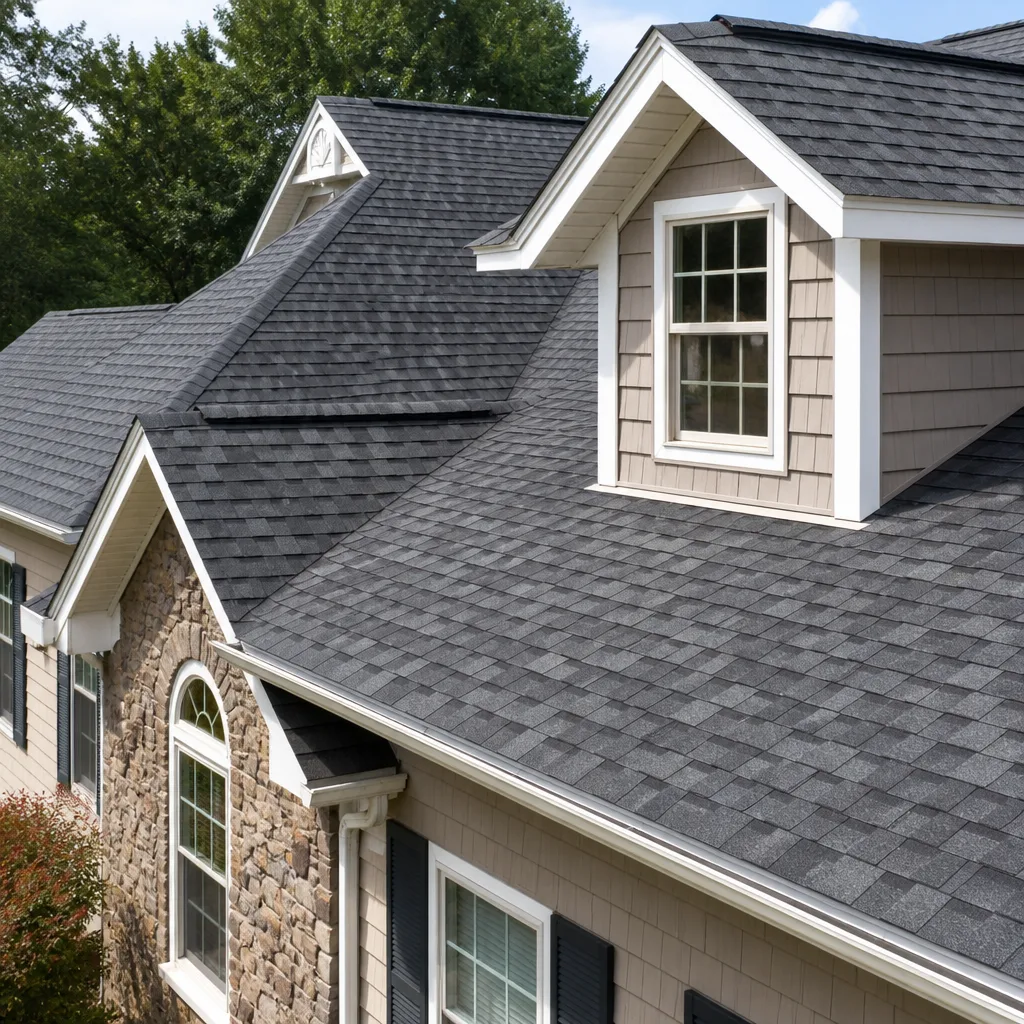
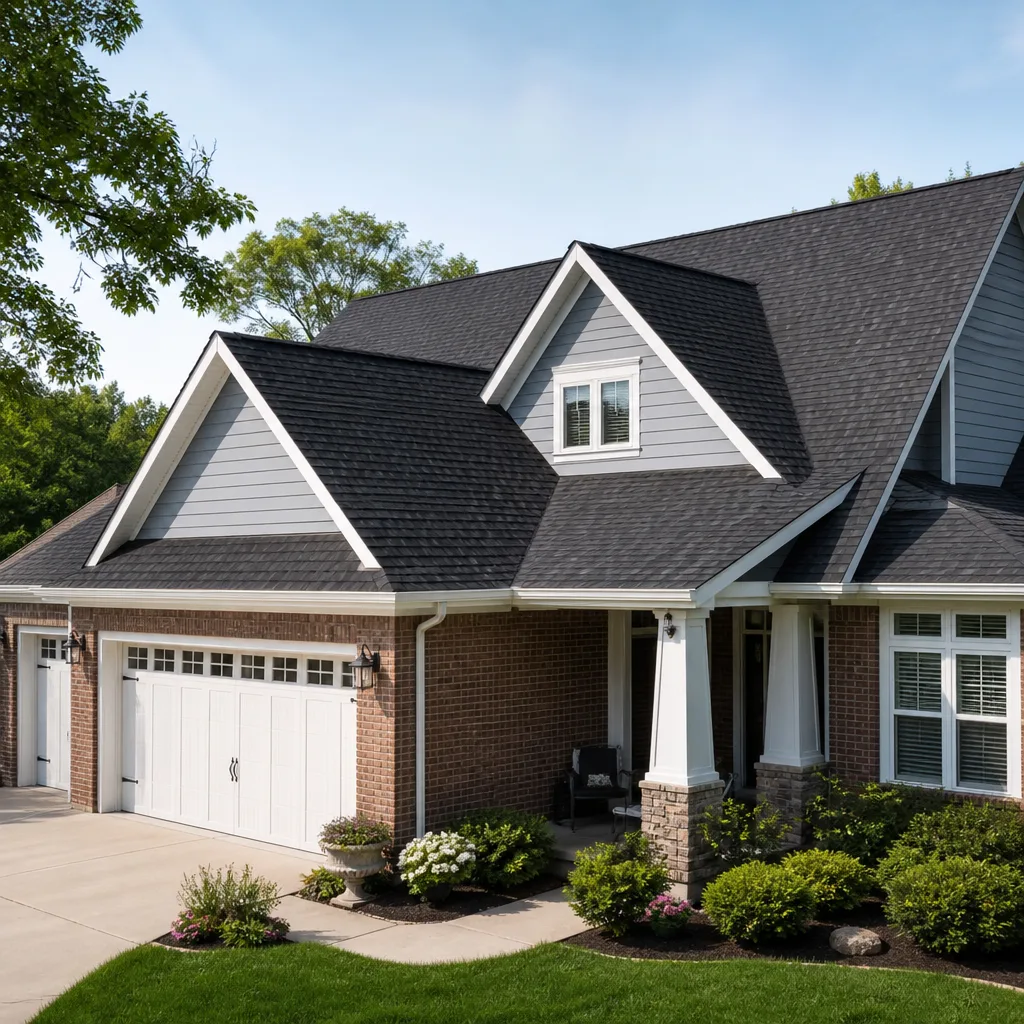
Asphalt remains the most common roofing material in Los Angeles because it’s affordable, fast to install, and widely available. Architectural shingles (also called dimensional or laminate shingles) now dominate the market over three-tab, and for good reason: they handle UV cycling better, resist lifting in Santa Ana winds more effectively, and typically carry 30-year to lifetime warranties. Three-tab shingles are cheaper but thinner, and on a high-UV LA roof they start curling and cracking noticeably earlier. We install architectural shingles from IKO, Atlas, and Tamko across Los Angeles, and the price difference between these three brands is minimal; the bigger variable is the grade within each brand’s lineup. A mid-grade architectural shingle from Atlas costs roughly the same as a comparable IKO or Tamko product, but all three give you genuine choice in color and profile rather than whatever happens to be stacked in a contractor’s warehouse.
Clay and Concrete Tile: $12 to $20 per Square Foot Installed
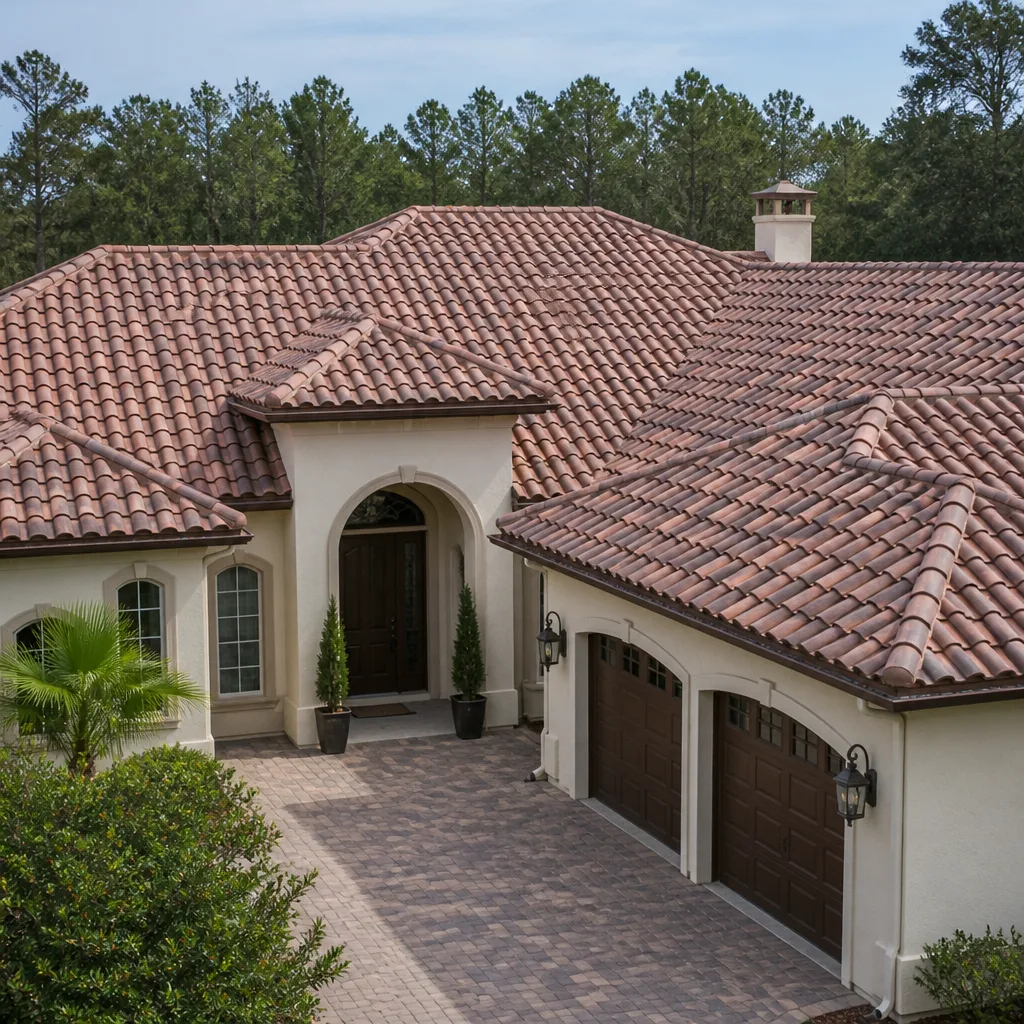
Tile is the aesthetic anchor of Spanish Colonial, Mediterranean, and mission-style homes throughout Los Angeles. It carries a serious upfront cost and a serious longevity upside: a properly installed tile roof can last 50 to 75 years. Boral is the dominant manufacturer for concrete tile in the LA market, and their profiles range from flat mission-style to barrel and shake-look options. The hidden cost with tile is structural. Tile is heavy, and some older Los Angeles homes need reinforcement or at minimum a structural inspection before tile can go on. That inspection and any resulting reinforcement is a separate line item, typically $500 to $3,000.
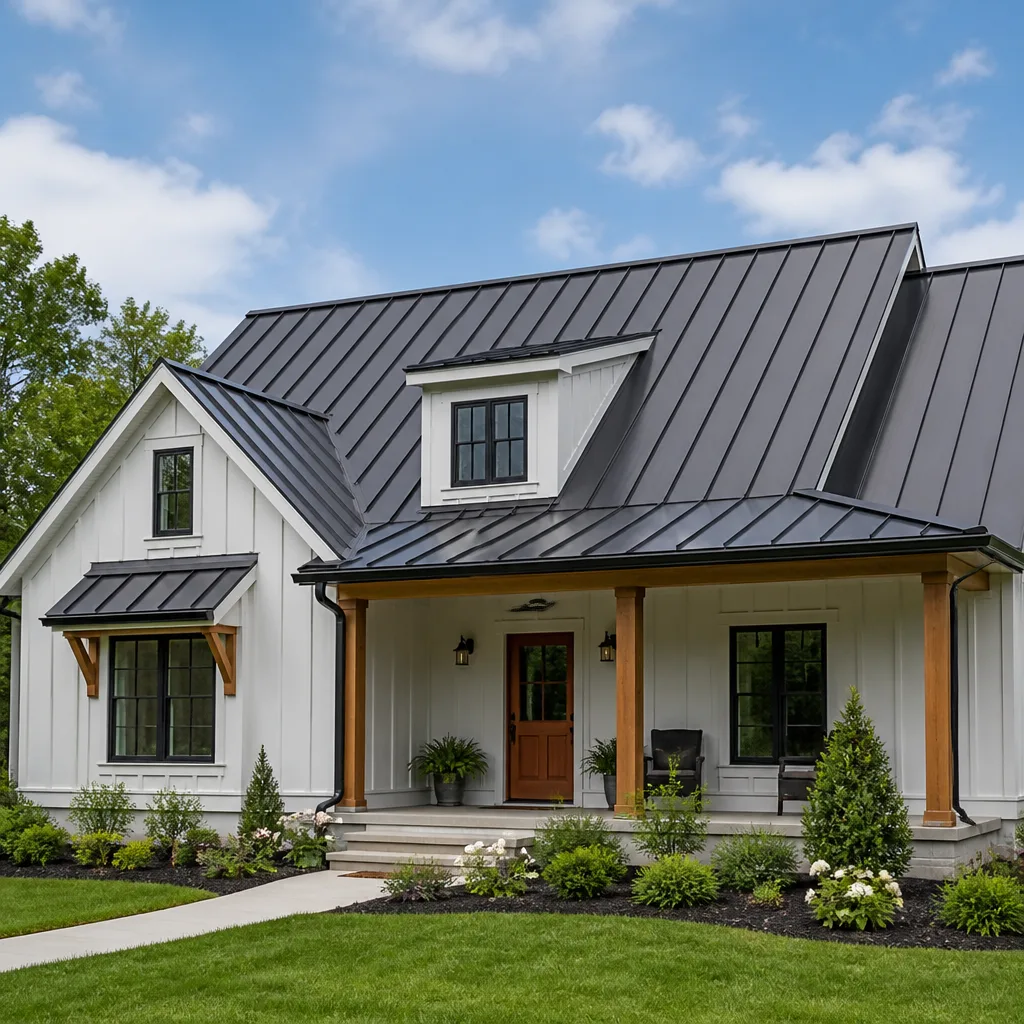
Standing Seam Metal: $14 to $24 per Square Foot Installed
Metal roofing in Los Angeles splits into two camps: standing seam panels, which are the premium option at $14 to $24 per square foot installed, and stone-coated steel, which mimics shingle or tile profiles at $10 to $15 per square foot. Metal handles LA’s UV exposure beautifully, sheds heat well in valley neighborhoods where summer temperatures hit triple digits, and carries 40-year to 50-year warranties. The labor is specialized, and not every crew is qualified. If you’re considering metal, ask which manufacturer system the contractor is certified to install.
Here’s a quick comparison for a 2,000-square-foot roof:
- Three-tab asphalt: $10,000 to $14,000 installed
- Architectural asphalt: $14,000 to $20,000 installed
- High-end architectural (Atlas StormMaster, IKO Nordic): $18,000 to $24,000 installed
- Clay or concrete tile (Boral): $24,000 to $40,000 installed
- Standing seam metal: $28,000 to $48,000 installed
These are installed prices that include tear-off, underlayment, and accessories. Your specific roof, pitch, and neighborhood will move the numbers.
Permit Costs: Repair vs. Replacement in Los Angeles
Los Angeles has one of the more complex permitting landscapes in California, and the cost difference between a permitted repair and a permitted replacement catches homeowners off guard every week. Here’s the breakdown as of 2026.
Full roof replacements in Los Angeles require a building permit from LADBS. The fee structure is based on the valuation of the work, and for a typical single-family reroof, expect to pay between $400 and $1,200 in permit fees alone. That’s before any plan review requirements, which can add $200 to $600 for complex roofs or homes in historic preservation overlay zones (HPOZ). Homes in HPOZ districts, like Angelino Heights or Hancock Park, may require additional review and can take longer to get through the approval queue.
Repairs operate differently. Small, isolated repairs, like replacing a few shingles or resealing a pipe boot, typically don’t require a permit at all. But once a repair involves more than 25% of the roof surface or any structural work on the sheathing or framing beneath, you’re in replacement territory as far as LADBS is concerned. The cost difference between a “repair” that technically requires a permit and a properly permitted replacement is real, and it’s one of the reasons a roof repair in Los Angeles can sometimes surprise homeowners with a permit line item they weren’t expecting.
Here’s a numbered breakdown of what to expect:
- Small repair, under 25% of roof surface: typically no permit required; $0 in permit fees.
- Large repair, over 25% or involving sheathing: permit required; $300 to $600 in fees.
- Full tear-off and replacement: permit required; $400 to $1,200 in fees, plus plan review where applicable.
- Replacement in an HPOZ district: permit required; $400 to $1,200 in fees, plus additional review at $200 to $600 and a longer approval timeline.
When a contractor offers to skip the permit to save you money on a full replacement, you’re not saving $700. You’re skipping the inspection that confirms the underlayment, flashing, and ventilation were installed to code. If that roof leaks in a year, you have no enforcement mechanism against a contractor who chose not to pull the permit.
The Mid-Tier Paradox: Why the Middle Quote Can Cost You More
Here’s the counterintuitive piece that most LA roofing guides miss. The middle quote, the one that feels like the safe compromise between the cheap guy and the expensive guy, is often the most expensive long-term choice you can make. The reason is warranty architecture.
When a roofing company lands in the mid-tier, they typically do it by pairing competent labor with builder-grade materials. The shingles carry a 20-year or 25-year warranty instead of a lifetime warranty. The underlayment is felt instead of synthetic. The pipe boots are plastic instead of powder-coated metal. None of these are defective products. They’re just shorter-life products installed on a roof that takes Los Angeles sun five to seven hours a day, 280-plus days a year.
In LA’s UV environment, a 25-year architectural shingle doesn’t fail at year 25. It starts showing its age at year 12. Granular loss accelerates. The shingles get brittle. The sealant strips fail, and a Santa Ana wind event starts lifting edges. By year 15, you’re doing component repairs every 12 to 18 months at $400 to $900 per visit. By year 18, you’re either limping the roof to replacement or replacing it early.
Meanwhile, a lifetime architectural shingle from Atlas, IKO, or Tamko on a high-quality synthetic underlayment typically gives you 25 to 30 years of genuinely low-maintenance service in LA. The upfront difference between the mid-tier and the premium material package is usually $3,000 to $5,000 on a 2,000-square-foot roof. Amortized over the roof’s actual service life, the premium option costs less per year. The mid-tier is not the value play. It’s the deferred replacement play.
This is where the written warranty matters. A lifetime shingle warranty is only as good as the installation beneath it, and manufacturer warranties almost never cover labor for installation defects. The guarantee that covers installation quality comes from the contractor. At Tilehurst Roofing Los Angeles, every job comes with a written guarantee as standard, and the 365-Day Done Right Promise covers the work for a full year. We’re part of the Kingswell family of roofing companies, founded in 2000, and the system exists for one reason: homeowners who have been burned once don’t want to be burned twice.
Deferred Maintenance: The $400 Fix That Becomes $4,200
The most expensive roof in Los Angeles is the one you stop looking at. Here’s how small problems compound into structural ones, with real numbers.
Flashing is the metal material that transitions between your roof and anything vertical: chimneys, skylights, vent pipes, sidewalls. In Los Angeles, flashing fails gradually. The sealant dries out. The metal expands and contracts with 40-degree temperature swings between day and night. Water finds a gap. The first sign is a water stain on the ceiling or a drip during the first heavy rain after a long dry stretch, which in LA means a six-month window between October and March.
A flashing repair around a chimney on a standard two-story Los Angeles home typically costs $400 to $800. That includes removing the old flashing, installing new step flashing, and resealing. Do it now, and the problem is solved. Ignore it for two seasons, and the water that entered through the failed flashing saturates the decking (the plywood or OSB beneath your shingles) and begins to rot. Rotted decking doesn’t hold nails, doesn’t support shingles, and doesn’t recover on its own. By the time the leak is visible from inside the house, the decking replacement is often 2 to 4 sheets at $150 to $300 per sheet installed, plus the cost of shingle removal and replacement around the damaged area, plus the original flashing fix. The $400 repair is now $3,800 to $6,500.
We see the same pattern with valley metal. A roof valley is where two roof planes meet and channel water downward. When valley metal corrodes or the sealant fails, water crosses into the seam and runs beneath the shingles. The repair is $500 to $1,000 if caught early. The deferred version, after rot spreads into the rafter tails around the valley, is $3,000 to $7,500 depending on framing damage. In older Los Angeles neighborhoods with 1920s and 1930s framing, those rafter tails are often original Douglas fir, and replacement involves structural work, not just plywood.
The rule is simple: any visible sign of water damage, any lifted shingle after a wind event, any dark streak on the ceiling. Address it within 30 days, and the repair cost is almost always under $1,000. Wait two rainy seasons, and you’ve added a zero to the invoice.
California Deposit Law: What Contractors Can Legally Ask For
California has one of the clearest deposit laws in the country, and most Los Angeles homeowners don’t know it exists. Under California Business and Professions Code Section 7159, a roofing contractor cannot collect a down payment of more than 10% of the total contract price or $1,000, whichever is less, for home improvement contracts. That means on a $22,000 roof replacement, the legal maximum upfront deposit is $1,000. Not $5,000. Not 50%. Not “whatever the materials cost.”
Any contractor asking for more than that before work begins is operating outside the law. That’s not a negotiation tactic. It’s a statutory bright line. The moment a contractor asks for 30% or 50% upfront, you’re not talking to someone who follows California contracting rules, and that should end the conversation.
There’s a second piece to this law that matters just as much. The same code section requires that any changes to the contract, any change orders, any adjustments to the price after work begins, must be in writing and signed by the homeowner before the additional work is performed. A contractor who discovers rot beneath the shingles and starts replacing decking without a written, signed change order is violating the same statute. The protection works both ways: you get to approve the additional scope and the additional price before the work happens, and the contractor gets your signed authorization before spending your money.
Here’s what a compliant payment schedule looks like on a typical Los Angeles roof replacement:
- Deposit at contract signing: 10% of total or $1,000, whichever is less.
- Progress payment: typically 30% to 40% when materials are delivered or tear-off begins.
- Final payment: the remainder upon completion, after the final inspection has passed and you’ve walked the roof or reviewed photos with the contractor.
Never pay the full balance before the work is complete and the inspection is signed off. Contractors who demand full payment before the job finishes are structuring the deal so they have no incentive to return.
Common Mistakes to Avoid
- Comparing quotes by total price alone. Two Los Angeles roofing quotes that differ by $8,000 are almost never quoting the same scope. One includes full tear-off, a permit, and fire-rated underlayment. The other includes none of those. Compare line items, not totals.
- Signing a contract without a written scope of work. “Replace roof” is not a scope. A real scope lists tear-off, underlayment type, shingle brand and grade, number of ridge vents, flashing details, and permit responsibilities. If the scope is vague, the change orders won’t be.
- Accepting a verbal promise on guarantee terms. A guarantee you can’t read is a guarantee you can’t enforce. Every repair and replacement from the Kingswell family of companies includes a written guarantee delivered before the crew leaves. Anything less is a phone call, not a contract.
- Skipping the permit to save money. The $700 you save by avoiding a Los Angeles permit is the $700 that makes your contractor answerable to LADBS if the roof fails. Permitted work means inspections, and inspections mean a third party verified the work met code.
- Choosing materials in a vacuum. The shingle that works on a flat lot in Sherman Oaks may not be the right choice for a fire zone in Topanga or a wind-exposed ridge in Silver Lake. Material selection should account for your specific Los Angeles microclimate, not just aesthetics.
- Paying more than the legal deposit limit. California caps deposits at 10% or $1,000, whichever is less. If a contractor asks for more, you’re sitting across from someone who either doesn’t know the law or doesn’t care about it. Neither is acceptable.
- Ignoring the roof until it leaks. By the time water is visible inside a Los Angeles home, the damage has usually been building for months. A $250 annual inspection catching lifted shingles and drying sealant is the cheapest money you’ll spend on your roof all year. If you’re unsure about your current roof’s condition, start with a roofing company in Los Angeles that offers free estimates and written assessments without pressure.
When to Call a Professional
Roofing involves heights, slopes, and materials that can cause serious injury when handled by someone without training and proper fall protection. Working on a roof, even for what feels like a simple inspection, carries real risk. If you see water stains on your ceiling, lifted shingles after a wind event, granules collecting in your gutters, or daylight coming through your attic boards, it’s time to have a professional look. If your roof is more than 18 years old and you’re not sure whether it needs repair or replacement, an inspection will give you a written answer. Tilehurst Roofing Los Angeles offers free estimates throughout Los Angeles. Call (213) 674-2890 and a live person will answer, day or night.
Frequently Asked Questions
A full asphalt shingle roof replacement in Los Angeles typically costs between $14,000 and $28,000 in 2026, with most 2,000-square-foot single-story homes landing at $16,000 to $22,000. Tile and metal roofs run higher, from $24,000 up to $48,000 depending on material and structural requirements. Call (213) 674-2890 for a free estimate with a written, line-item price before any work starts.
Los Angeles roofing quotes vary because contractors are often quoting different scopes. The cheapest quote may exclude tear-off, permit fees, fire-rated underlayment, or proper disposal. The expensive quote may include premium materials and steeper labor rates. The quote gap narrows to almost nothing once you compare line items side by side.
Small Los Angeles roof repairs like flashing resealing or pipe boot replacement typically run $400 to $900. Larger repairs involving decking or multiple shingles can run $1,000 to $4,500. Structural repairs from deferred water damage can exceed $6,500. For an exact quote on your repair, call (213) 674-2890 to speak with a live person and schedule a free estimate.
Yes, full roof replacements in Los Angeles require a building permit from LADBS, with fees typically between $400 and $1,200. Small repairs covering less than 25% of the roof surface often do not require a permit. Working with a roof replacement in Los Angeles provider who pulls the permit means inspections verify the underlayment and installation meet current code.
In California, roofing contractors cannot collect more than 10% of the total contract price or $1,000 as a down payment, whichever is less. Any contractor asking for more is operating outside California Business and Professions Code Section 7159. Protect yourself by insisting on a written contract and a payment schedule that complies with state law.
A standard asphalt shingle roof replacement in Los Angeles takes three to five days for tear-off, decking inspection, underlayment installation, and shingle installation. Tile and metal roofs run longer, often seven to ten days. Your contractor should give you a written timeline in the estimate, and that timeline should include the LADBS inspection scheduling.
Clay and concrete tile roofs last the longest in Los Angeles, typically 50 to 75 years with proper maintenance. Standing seam metal roofs come next at 40 to 50 years. Architectural asphalt shingles from manufacturers like IKO, Atlas, and Tamko can last 25 to 30 years in LA’s UV environment when installed over quality synthetic underlayment. The key to longevity is the combination of material quality and installation quality, which is why the written guarantee on the work matters as much as the manufacturer’s warranty on the materials.
The Bottom Line
Roofing costs in Los Angeles reward homeowners who know what’s inside the number. The six line items, the permit requirements, the deposit cap, and the material grades are all knowable. Once you know them, the three quotes that once looked confusing tell a clear story. The cheapest quote is the one missing a line item. The middle quote is usually a shorter-life roof dressed up as a value. The expensive quote might be the honest one, or it might just be overhead passing through. The way to find out is to ask every contractor the same set of questions and compare the answers in writing. That’s how you get a roof that stays put for 25 years, keeps water out during the next El Niño, and never makes you wish you’d read the fine print.
For straight answers and a written price before any work begins, call (213) 674-2890. One call, a live person, and a free estimate with your roof’s actual numbers on the page.
Written by Greg Holloway, Owner at Tilehurst Roofing Los Angeles, serving Los Angeles since 2000.
See the difference
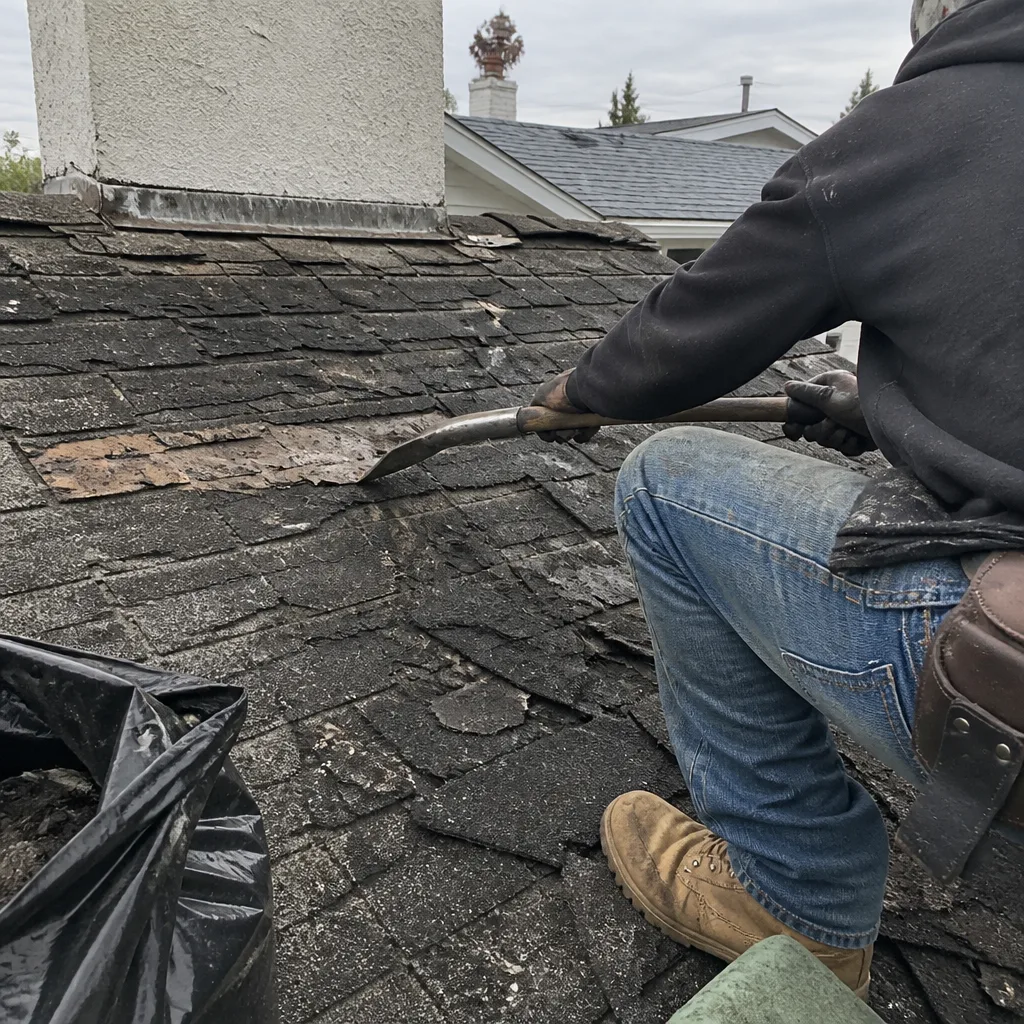 Before
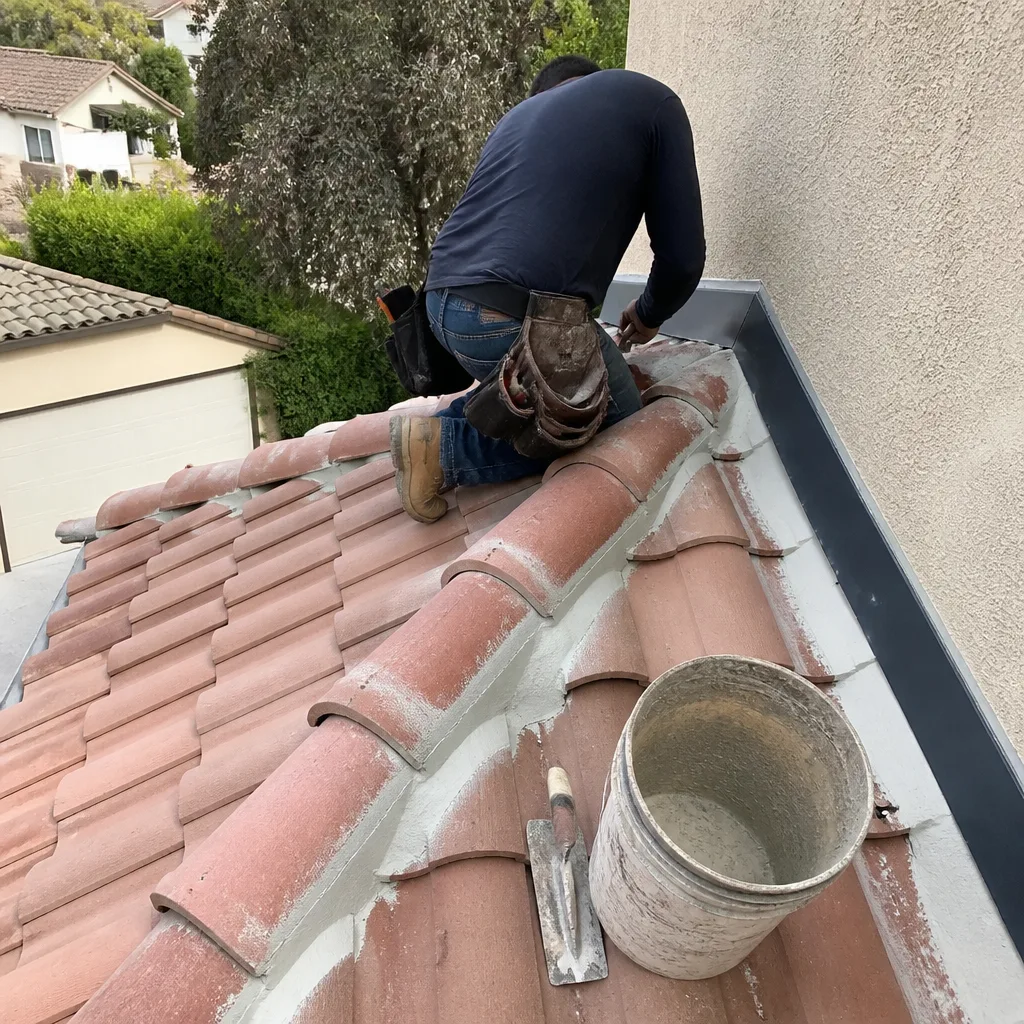 After
After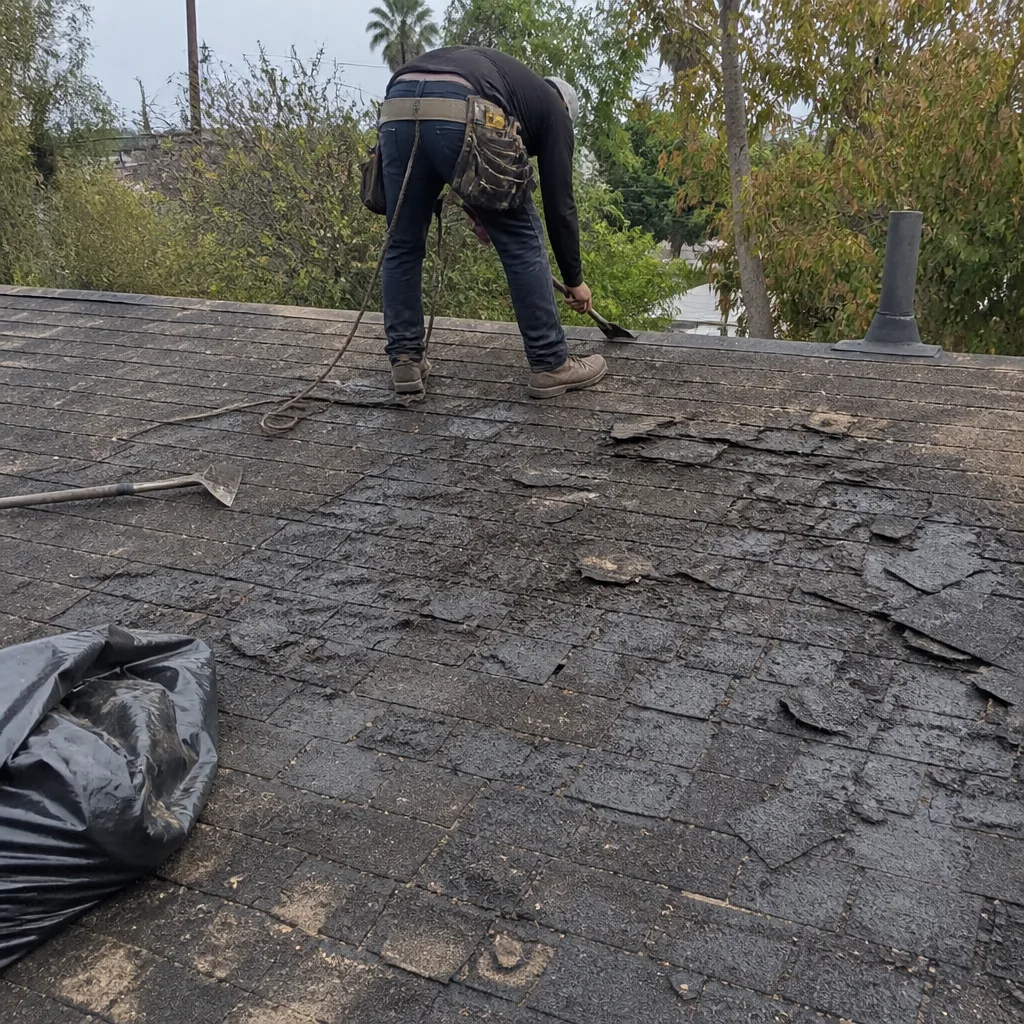 Before
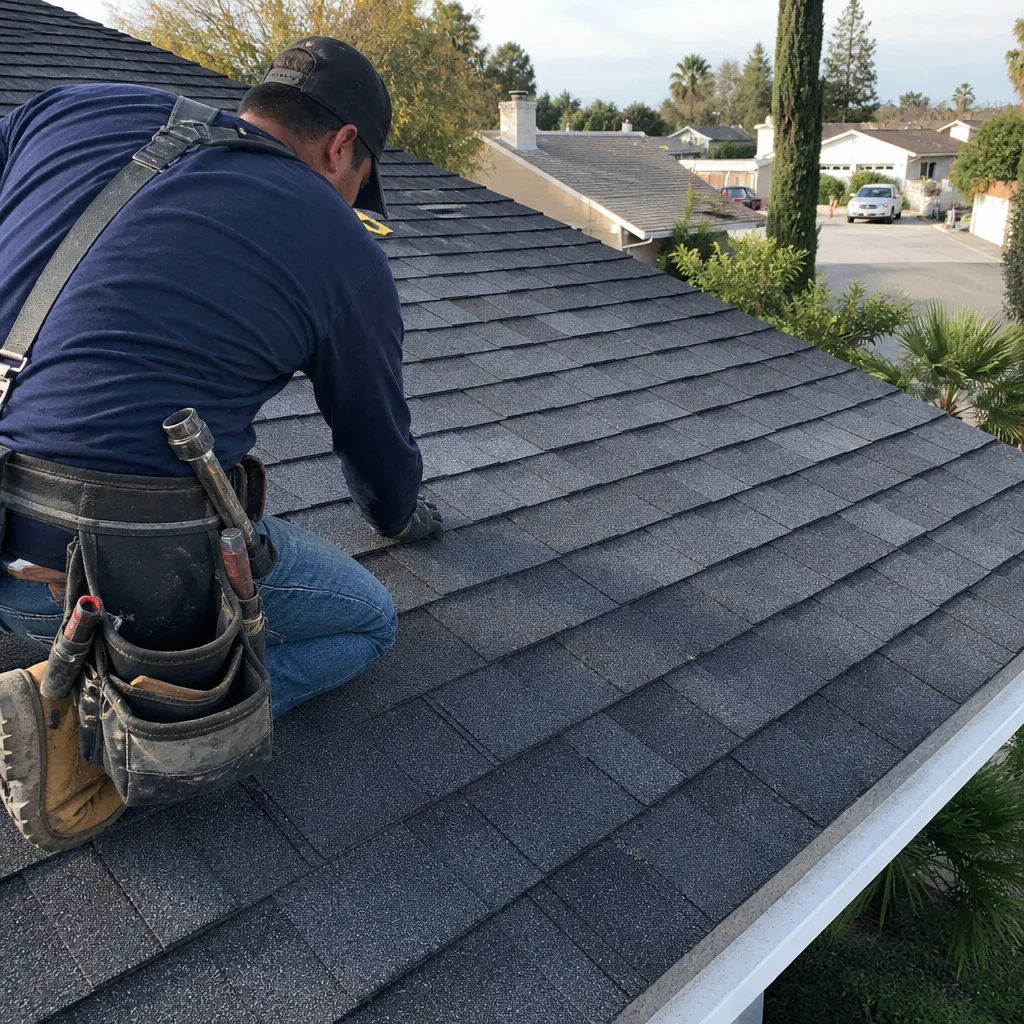 After
After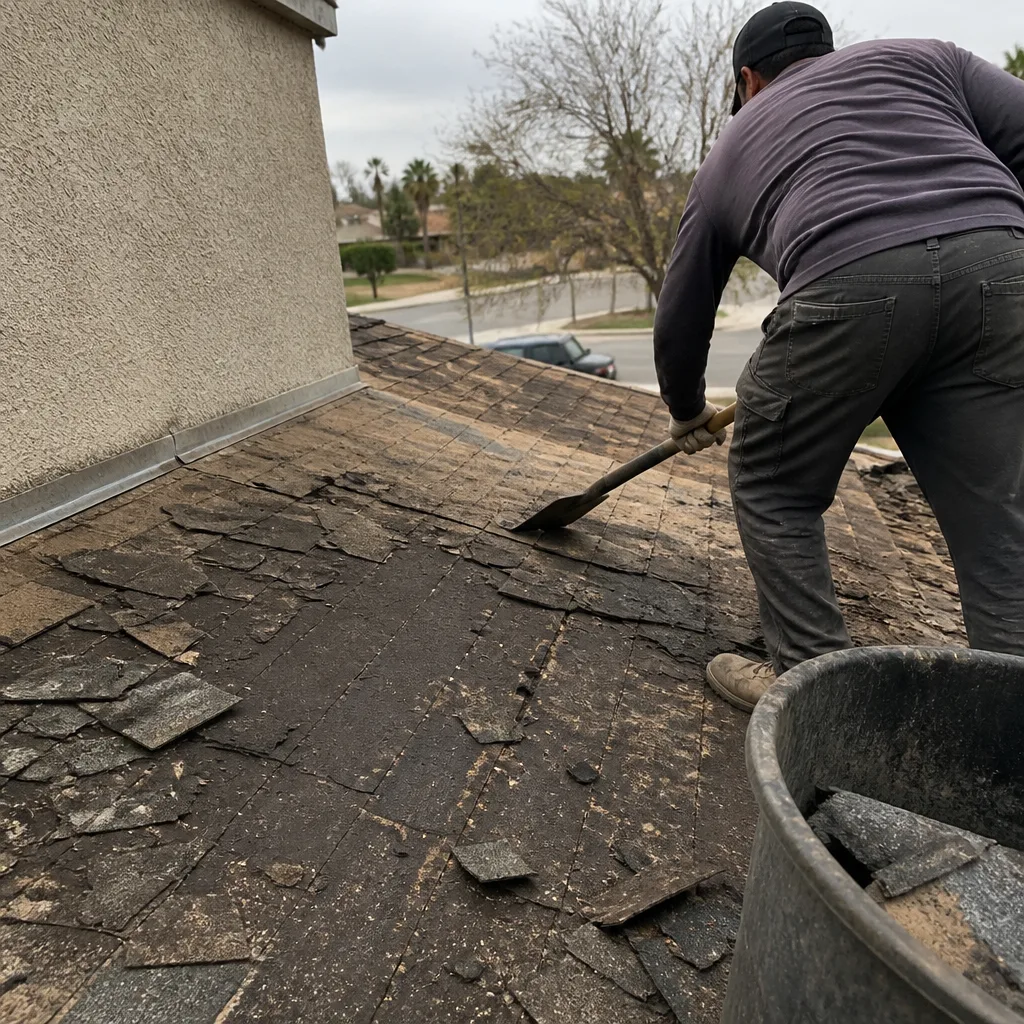 Before
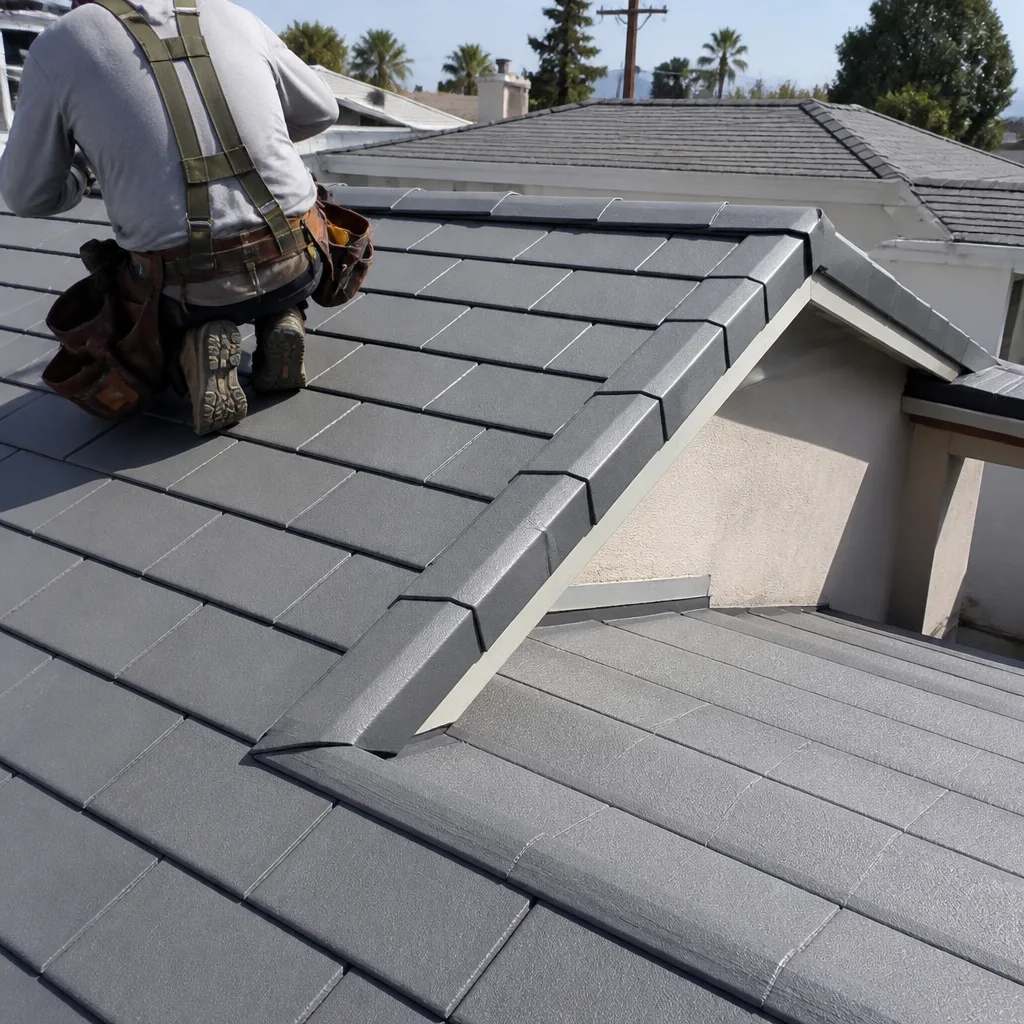 After
After