
Last updated October 17, 2026
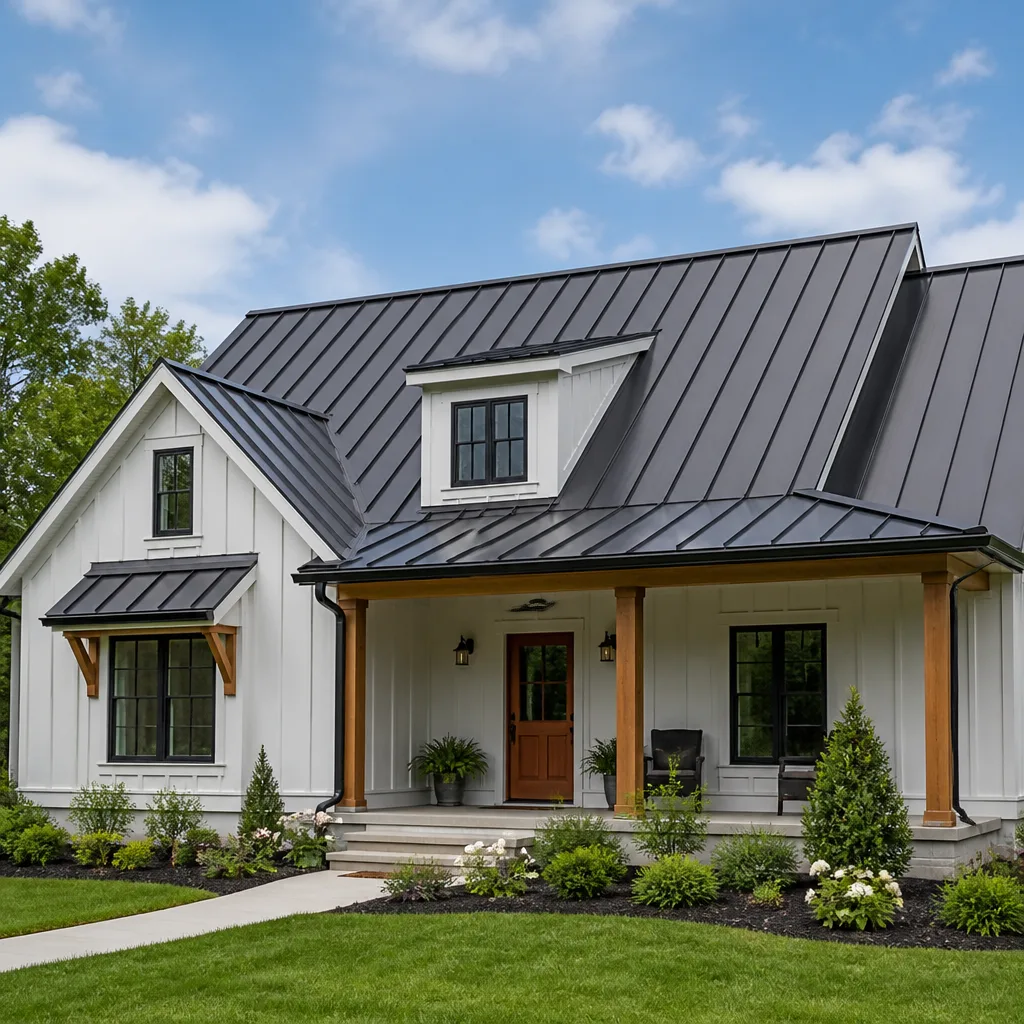 Metal roofing
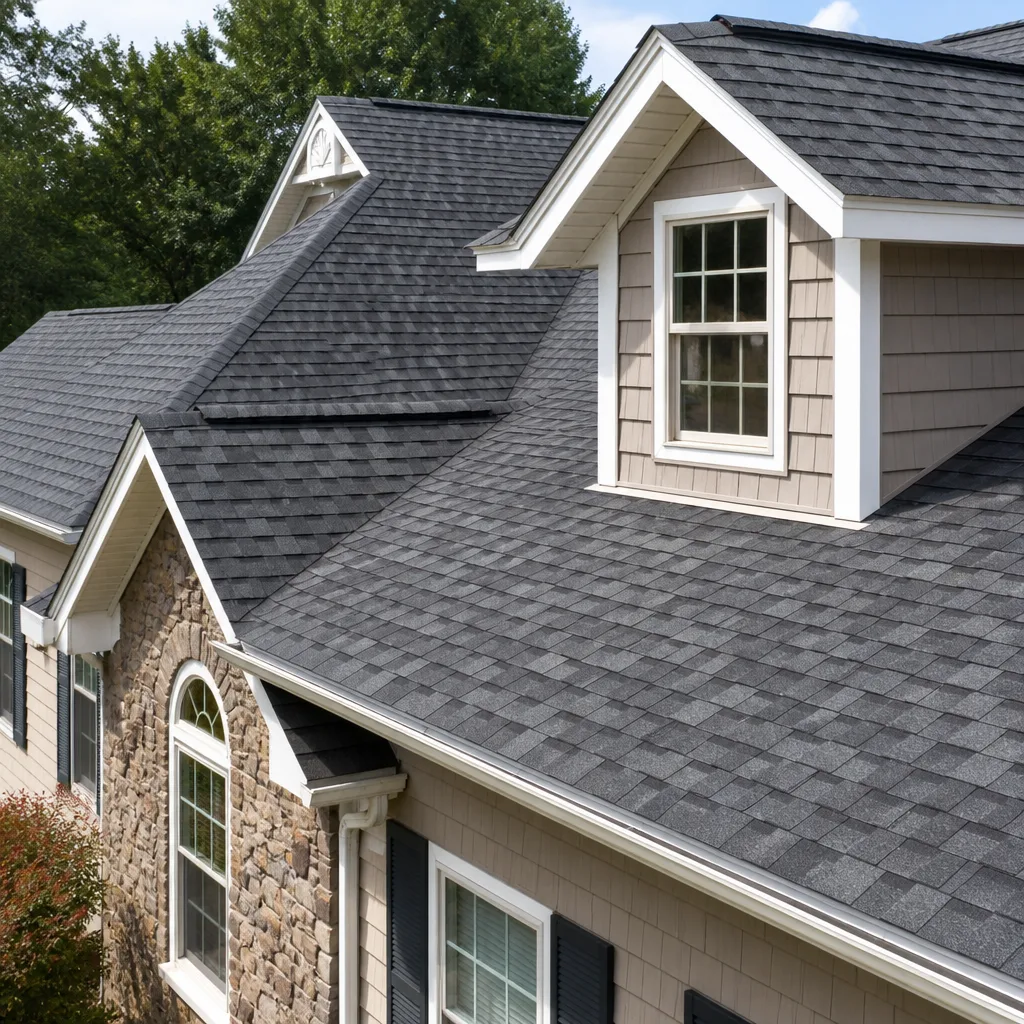 Architectural shingles
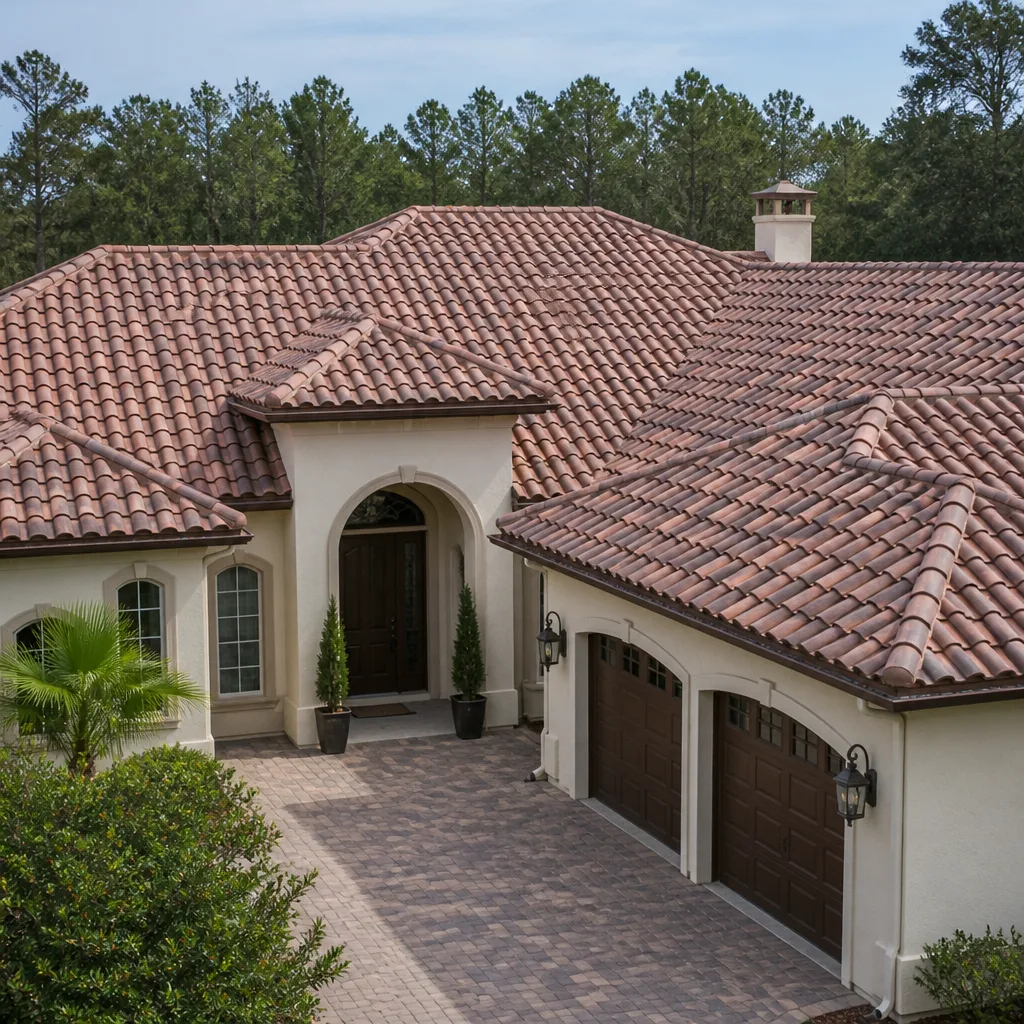 Tile roofing
 GAF
GAF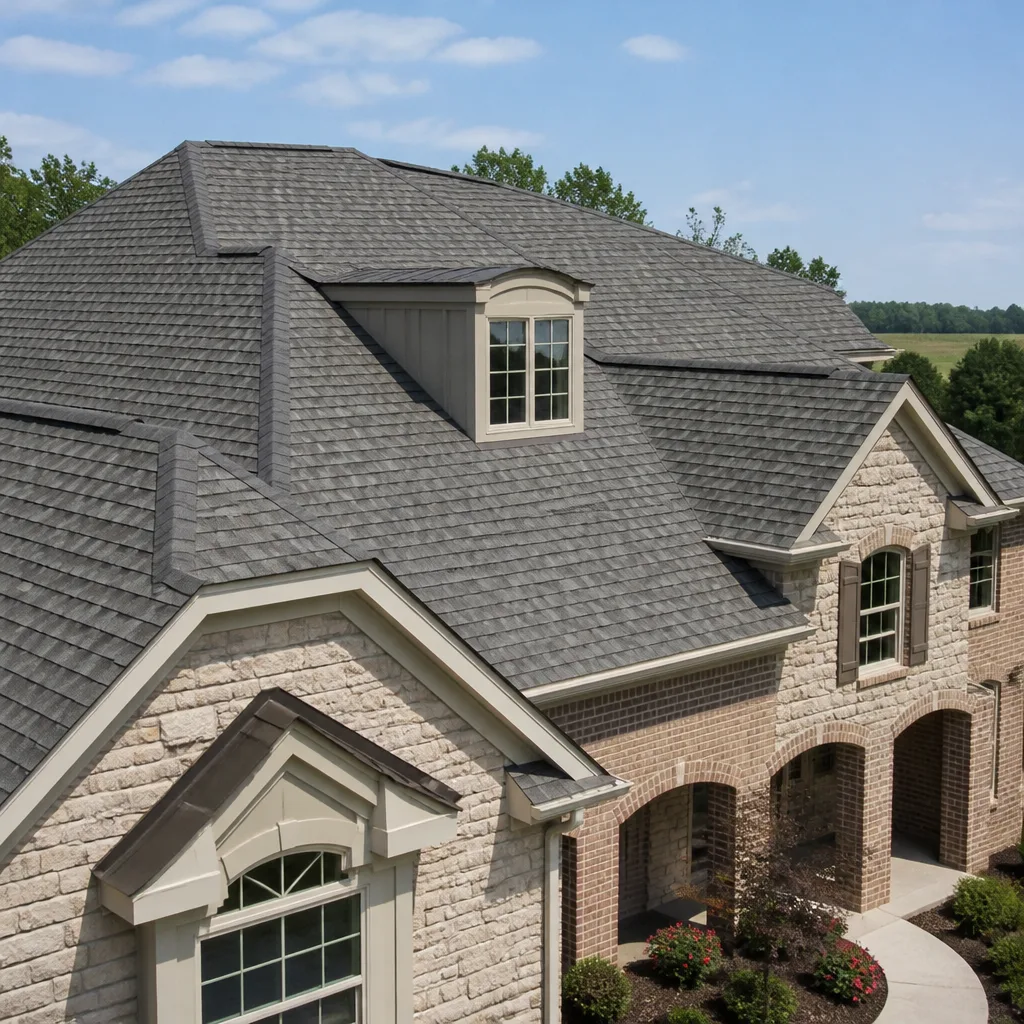 Owens Corning
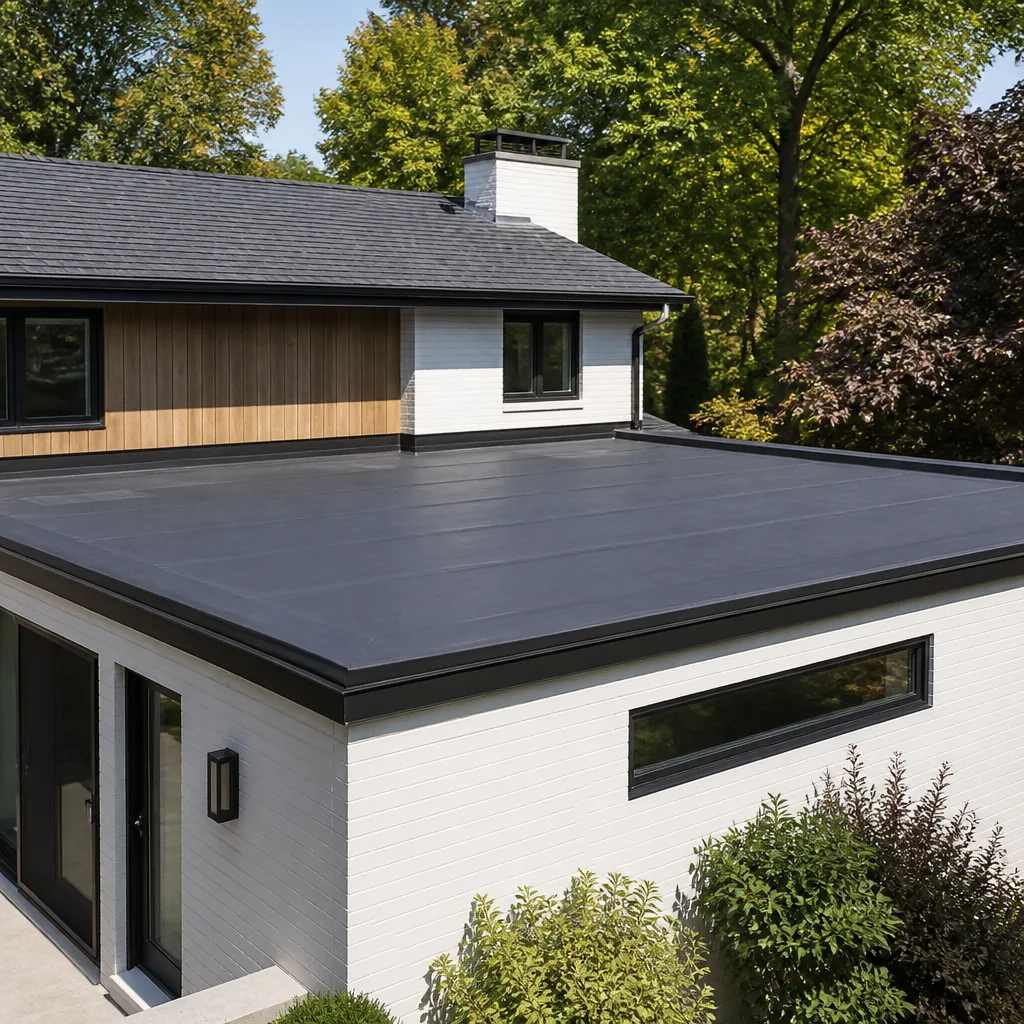 Flat & low-slope
Free roof inspection with deck photos before we talk money - GAF and Owens Corning certified installation
Seasonal Roofing Care for Los Angeles: Year-Round Homeowner’s Guide
Most Los Angeles homeowners call a roofer in January, right after the first heavy rain has already found its way through the decking. That’s the busiest, most expensive, most stressful time to book a roof inspection. There’s a better window, and it isn’t a secret among roofers: October. After the long dry-heat stretch has done its damage and before the rains arrive, you can repair small failures before they become interior water damage. This guide reframes the Los Angeles roofing calendar around two transition windows – September into October and April into May – and gives you a month-by-month plan you can actually follow without spending every weekend on a ladder. For more guides & resources, see our blog.
Styles & brands we work with
Quick Answer
The two highest-leverage times to inspect and maintain a Los Angeles roof are September through October, after summer heat but before winter rain, and April through May, after rain season but before the next heat cycle. During those windows, focus on flat-roof drains, parapet walls, flashing at stucco transitions, and overhanging tree branches. Most asphalt-shingle repairs in Los Angeles run between $350 and $900, while full replacements typically land between $9,000 and $18,000 depending on roof size, material, and access. See The Complete Guide to Roofing in Los Angeles for a deeper breakdown of costs and options. If you only do one roof task this year, clear your drains and gutters before the first real storm, and get a written inspection while contractors still have open schedules.
Table of Contents
- The Two Windows That Actually Matter in Los Angeles
- The Dry-Heat Stretch: What 100°F Actually Does to a Roof
- The Rain Period: LA’s Specific Water Intrusion Points
- The Transition Windows: Your Highest-Leverage Maintenance Timing
- Tree Management as a Roofing Task
- A Month-by-Month Los Angeles Roofing Calendar
- Common Mistakes to Avoid
- When to Call a Professional
- Frequently Asked Questions
- The Bottom Line
The Two Windows That Actually Matter in Los Angeles
Los Angeles doesn’t have four seasons in the way a roofing guide from Chicago or Boston would describe them. We have two roof-stressing periods and two transition windows. The roof-stressing periods are the dry-heat stretch, roughly June through September, and the rain period, roughly November through March, though it varies sharply by year. The transition windows are September into October and April into May. Those transition windows are the actual best times to act, and most homeowners spend money during the wrong one.
Why do the transition windows matter more than the extremes? Because a roof doesn’t fail all at once. It fails in stages. A shingle that cracks in August from thermal stress doesn’t leak until December, when rain finds the crack. A parapet wall cap that shifts during a heat wave stays silent until the first sustained storm, then delivers water straight into the wall cavity. By the time you see a ceiling stain in February, the original damage happened months earlier. Acting in the transition windows means catching the damage after it forms but before it leaks. That’s the difference between a $450 repair and a $4,500 drywall and insulation replacement.
There’s also a practical reason. Contractor availability in Los Angeles surges in January and stays tight through March. In October, the same licensed crews have open calendars. You’ll get a wider choice of appointment times, faster scheduling, and the same written pricing without the rain-season scramble. If you’re comparing estimates for a roof repair in Los Angeles, October quotes tend to be more thorough because estimators aren’t rushing between emergency calls.
The Dry-Heat Stretch: What 100°F Actually Does to a Roof
The San Fernando Valley, the eastern San Gabriel Valley, and inland areas like Van Nuys, Woodland Hills, and Pasadena regularly see 100°F or higher for days at a stretch between July and September. The roof surface gets far hotter than the air. On a 100°F day, an asphalt shingle roof can reach 150°F to 160°F. That sustained thermal load changes the material.
Asphalt shingles are made of a fiberglass or organic mat coated with asphalt and topped with mineral granules. Heat accelerates two processes: oxidation, which makes the asphalt brittle, and expansion-contraction cycling, which stresses the bond between the granules and the asphalt. The visible result is thermal blistering. Small bubbles form on the shingle surface when moisture inside the material expands faster than the asphalt can vent. Popped granules expose the asphalt layer directly to UV light, and from there the shingle degrades quickly.
Coastal homes in Los Angeles, from Santa Monica to San Pedro, have a genuinely different exposure. Air temperatures rarely exceed 85°F, and the marine layer blocks much of the direct UV load. Shingles on coastal roofs age more slowly. In our experience, a 20-year architectural shingle on a coastal home in Westchester can look noticeably better at year 12 than the same shingle on an inland home in Northridge at year 8.
What to inspect after a heat wave:
- Thermal blistering: Look for small raised bumps, usually clustered, on shingle faces. They pop and leave exposed asphalt that shows as dark spots.
- Granule loss: Check gutters for accumulations of colored granules. A small amount is normal. A cup or more in a 10-foot gutter run after one season suggests significant UV degradation.
- Roof deck movement: Sustained heat can cause plywood decking joints to open slightly, especially on older roofs with original decking. You won’t see this from the ground. An inspection from the roof surface should check for soft or deflecting decking.
- Flashing sealant breakdown: The sealant around vents, pipe boots, and chimney flashing gets brittle and cracks under repeated high-heat cycles. This is one of the most common leak points we see on Los Angeles homes.
If you live inland, check the roof after the first 100°F stretch of the year. You’ll get an early read on whether the shingles are entering the brittle phase, which tells you whether replacement planning needs to start this year or can wait.
The Rain Period: LA’s Specific Water Intrusion Points
When it does rain in Los Angeles, the water behaves differently than it does in Seattle or Portland. LA rain comes in short, intense bursts. That matters for roof drainage. A roof that can handle a slow Seattle drizzle can back up under a 20-minute LA downpour. The weak points are specific to LA’s housing stock.
Flat-roof drains. A large share of Los Angeles homes built in the 1950s through the 1980s include flat or low-slope roof sections, especially Mid-Century Modern and Spanish Colonial Revival houses. Flat roofs rely on internal drains and scuppers. When leaves, tennis balls, or sediment clog the drain strainer, water ponds. Ponding water is heavy. An inch of water over 100 square feet weighs roughly 520 pounds. Repeated ponding stretches the roof membrane and eventually separates it at the seams. Clean the drains before every rain period and again after any wind event that drops debris.
Parapet walls. Spanish Colonial homes and many commercial-to-residential conversions in Los Angeles have parapet walls rimming the roof. The parapet cap – the metal or membrane layer across the top of the wall – takes the full force of wind-driven rain. When a parapet cap seal fails, water enters the wall cavity and travels down, often showing up as a ceiling stain far from the original entry point. Parapet walls need visual checks at least twice a year: once after the first heavy rain and once after the heat stretch that precedes it.
Stucco-to-roof transitions. Los Angeles is a stucco city. Where a stucco wall meets a roof plane, the flashing details are called counterflashing and step flashing. They’re supposed to direct water away from the joint. Over time, the sealant at this transition degrades from heat and seismic movement, and wind-driven rain drives water behind the stucco. This is one of the most common leak points on Spanish Colonial and Mid-Century homes across the city.
During the rain period, do these checks:
- After the first heavy rain, walk the interior perimeter of every room on the top floor and look for damp spots, bubbling paint, or new staining at ceiling-wall junctions.
- Check attic spaces, if accessible, for dampness around vents, chimneys, and roof penetrations within 48 hours of any rain over half an inch.
- Look at the exterior wall surface below parapet walls and stucco transitions for dark streaks or water marks that dry slowly. These indicate water is getting behind the surface.
- If you have a flat-roof section, check that drains are drawing water down. Standing water that remains 48 hours after rain has stopped is ponding and needs attention.
The Transition Windows: Your Highest-Leverage Maintenance Timing
Most homeowners think of roof maintenance as a reaction. Leak appears, call the roofer. Leak fixed, forget the roof. The highest-leverage move is to break that cycle by booking an inspection during the two transition windows. If you’re weighing whether to tackle work yourself, read DIY vs Professional Roofing: The Los Angeles Homeowner’s Decision Guide first. Here’s what to do in each.
September-October Window: After Heat, Before Rain
This is the single most valuable inspection of the year. The heat has finished its work, and the rain hasn’t started doing damage to the interior. You’re seeing the roof at the end of its hardest stress cycle but before failure becomes visible inside the house.
- Book a professional roof inspection. A thorough inspection covers the roof surface, flashing, penetrations, drains, gutter system, and attic ventilation. In Los Angeles, a professional inspection typically runs $150 to $400 depending on roof complexity and whether the inspector documents with photos.
- Clear all gutters and downspouts, plus flat-roof drains. Do this before the first rain. Debris left through November will be wet, compacted, and three times harder to remove in December.
- Check sealant at all penetrations and transitions. Vents, chimney flashing, pipe boots, stucco-to-roof joints. Replacing dried sealant in October is a $150 to $350 repair. Waiting until it leaks in February turns into a $900 to $2,500 repair with interior damage.
- Walk from the street and look at the roof plane from all sides. Bowed ridge lines, missing ridge cap shingles, lifted edges, and debris accumulation are visible from the ground. Photograph anything that looks off.
- If repairs are indicated, get them done in October. You’ll have the widest contractor availability and can compare written quotes without pressure. At Tilehurst Roofing Los Angeles, our roofing team in Los Angeles gives every homeowner a written price before any work starts, so you can compare estimates on a level playing field.
April-May Window: After Rain, Before Heat
The second transition window serves a different purpose. The rain has shown you which areas of the roof actually leaked or gathered debris. The heat hasn’t yet started its slow degradation. This is the time to:
- Inspect for rain-season damage. Lifted shingles, loose flashing, clogged drains, and any interior staining from the winter. If you saw any water marks appear over the winter, get the source identified now, not in November.
- Check attic ventilation. Before the heat arrives, confirm that intake and exhaust vents are open and free of debris. Poor ventilation in a Los Angeles attic can push attic temperatures above 160°F in July, which accelerates shingle aging from below. This is a cheap fix, often $100 to $300, that extends the life of the entire roof.
- Evaluate whether the roof has one more summer left. If you found blistered shingles, failed sealant, or granule loss in the fall, the April-May window is when you decide whether to plan for a roof replacement in Los Angeles this year or next. Replacing before the heat of summer or during the mild spring months avoids the rush.
- Trim back any tree growth that accelerated over the winter. More on this next.
Tree Management as a Roofing Task
Los Angeles has mature trees close to houses. California live oaks, eucalyptus, sycamores, liquidambars, and ornamental pines all grow fast in the mild climate, and they drop more than leaves. Tree management is a roofing task because three specific conditions accelerate roof degradation.
Direct contact. Any branch that touches the roof surface during wind movement is acting as a drill. It scrapes granules off shingles, tears membrane on flat-roof edges, and knocks flashing out of place. Branches in direct contact should be trimmed back to at least 18 inches from the roof line. This is the single cheapest roof maintenance move in Los Angeles – an $80 to $200 trim that can prevent thousands in membrane damage.
Constant shadow. A roof that stays damp under tree canopy grows moss and algae. In Los Angeles, the most common culprit is ornamental pines and liquidambars that cast shade over the north side of a roof or low-slope sections. Moss holds moisture against the roof surface and, on shingle roofs, creates freeze-thaw cycles that loosen granules even in mild winters. If a section of the roof stays green or dark most of the year, trim canopy to let morning sun reach that section.
High debris volume. Eucalyptus and sycamore leaves, pine needles, and liquidambar seed pods clog flat-roof drains and gutters surprisingly fast. A single mature eucalyptus can drop enough bark and leaves to clog a scupper in one wind event. We’ve seen flat-roof sections on homes under eucalyptus canopies that need drain clearing monthly during the dry season, not twice a year.
Tree management is one of the few roof maintenance tasks you can do safely from the ground or with a professional arborist. If a tree is taller than your two-story roof, or if limbs overhang power lines, hire a licensed arborist. The cost runs $300 to $1,200 depending on tree size and access, and it’s money well spent compared to the roof damage it prevents.
A Month-by-Month Los Angeles Roofing Calendar
Here’s the year-at-a-glance version. Each month lists one or two specific owner actions. Use it as a reminder list, not a homework assignment.
- January: Check interior ceilings and walls for water stains from recent rain. If you see any, call for an inspection immediately. Do not wait for the leak to worsen.
- February: After a rain break, check flat-roof drains and scuppers for debris. Clear gutters if heavy wind has dropped debris.
- March: Walk the roofline from the street and photograph any missing shingles, lifted edges, or debris accumulation. Compare to photos from last year.
- April: Book your post-rain inspection. Check attic ventilation intakes and exhaust vents. Trim any branches that grew over the winter.
- May: If the inspection flagged issues, get written quotes now. Do repairs before the summer heat makes roof work less comfortable for crews and slows sealant curing.
- June: Watch for the first heat stretch. If temperatures top 100°F for three or more consecutive days, note it. That’s a stress event for your shingles.
- July: Check for thermal blistering on shingle surfaces visible from a ladder at the eaves. If granules are accumulating in gutters, document the amount.
- August: Inspect sealant at vents, chimneys, and pipe boots. Heat degradation is most visible in August. Clear flat-roof drains ahead of any possible monsoon remains or wind events.
- September: This is the most important month. Book your pre-rain inspection. Clear all gutters and downspouts. Check parapet walls and stucco-to-roof transitions.
- October: Complete any repairs identified in September. Recheck drains and scuppers. Trim branches that would touch the roof in winter winds.
- November: After the first rain, check for interior staining and damp spots. Confirm drains are flowing freely. Clear any debris the first storm dropped.
- December: Walk the roofline after the first significant wind event of the season. Photograph any lifted shingles or new debris. Keep gutters and drains clear through the holidays.
This calendar works for any Los Angeles roof type, whether you have a Mid-Century flat roof in the hills, a Spanish Colonial in Pasadena, or a standard asphalt-shingle roof in the Valley. The timing doesn’t change; the specific tasks shift slightly based on the roof style. If you’d like a more detailed evaluation, our Los Angeles roofing company provides free written estimates at any point in the year, not just during the traditional scramble.
Common Mistakes to Avoid
- Waiting for a leak to inspect the roof. By the time water shows up on your ceiling, the leak has already been active for weeks or months. The water travels along decking and beams before it finds a visible exit. An October inspection catches the crack before it becomes a leak.
- Ignoring flat-roof drains because “it never rains here.” When a February storm drops an inch of rain in an afternoon, a clogged drain means 500 to 1,000 pounds of ponding water on your roof. Clear drains before every rain period, not after.
- Treating all Los Angeles roofs the same. A shingle roof on the coast needs different maintenance than a flat-roof section in Van Nuys. Know your roof type and the specific weak points that go with it.
- Skipping tree trimming because “the tree looks fine.” Branch contact and heavy canopy shadow cause slow, steady damage that doesn’t look dramatic. By the time the shingles under a rubbing branch are visibly worn, you’re replacing rather than repairing.
- Paying for roof work without a written price first. Any reputable Los Angeles roofing company will give you a written, line-item price before work starts. If a contractor won’t, walk. At Tilehurst, the written price before any work starts is a core part of The Kingswell Way: say the price before the work, show up in the window we gave, leave the place cleaner than we found it, put the guarantee in writing, come back if it fails.
- Replacing a roof when repair would do. The opposite mistake also costs money. Some companies push full replacement when a $600 repair fixes the issue. A written estimate from a roofing company that also does repairs helps you compare honestly. If the roofer only offers replacement, get a second opinion.
- Waiting until the January rush. You’ll pay more, wait longer, and compete with emergency calls for attention. October work is more thoroughly estimated, more carefully done, and often more available.
When to Call a Professional
Some roof work is safe to inspect from the ground or a ladder at the eaves. Other situations need a trained roofer with proper safety equipment, and the line matters. Call a professional if you see interior water staining, if your roof has a leak that appears after rain, if you find soft or spongy decking anywhere, if parapet walls show cracking or missing cap sections, or if drainage problems cause ponding that lasts more than 48 hours. Working on a roof involves height, steep slopes, and construction materials that fail unpredictably. We recommend leaving any on-roof inspection or repair to a trained professional with proper safety gear. For help choosing one, see How to Hire a Roofing Contractor in Los Angeles: A Step-by-Step Guide.
Tilehurst Roofing Los Angeles offers free estimates in Los Angeles. Call (213) 674-2890 to schedule a written evaluation with no obligation. We’ll show up when we say we will, give you the number in writing, and stand behind every repair with our 365-Day Done Right Promise.
Frequently Asked Questions
Professional roof inspections in Los Angeles typically run $150 to $400 depending on roof size and complexity. Clearing gutters and flat-roof drains costs $100 to $300 per visit. Sealant reapplication at penetrations and flashing transitions runs $150 to $350 per area. A full maintenance package combining inspection, drain clearing, sealant repair, and minor flashing work in a transition window usually lands between $500 and $1,200 for a single-family home. Call (213) 674-2890 for an exact quote – estimates are free.
September and October are the best months for roof replacement in Los Angeles. The heat has passed, the rain hasn’t started, and contractor availability is highest. Spring is also workable, from April through early June. Avoid scheduling a roof replacement during the January rain period, when crews are stretched thin and weather delays pile up, and be aware that heat-limited summer days mean shorter work windows and longer timelines for crews.
Twice a year, during the two transition windows: September-October and April-May. A visual check from the ground plus gutter and drain clearing can happen monthly if you have a flat-roof section or heavy tree coverage. If your roof is over 15 years old, add a third professional inspection in August after the heat’s worst stress.
Yes, and the inland valleys see the worst of it. Sustained 100°F-plus air temperatures push roof surfaces to 150°F to 160°F, accelerating oxidation and granule loss. Thermal blistering shows up as small raised bubbles on shingle surfaces. Coastal homes experience far less of this because air temperatures stay moderate and the marine layer blocks direct UV. If you live inland, inspect after every heat wave over 100°F.
Look for interior clues: water staining on ceilings and walls, bubbling paint at ceiling-wall junctions, damp attic insulation, or a musty smell after rain. Check gutters for granule accumulations and walk the roofline from the street to spot lifted shingles, missing ridge cap, or debris that might conceal damage. If your roof is over 15 years old and you haven’t had a professional inspection in the past two years, schedule one in October.
Not at Tilehurst Roofing Los Angeles. Estimates are free, written, and delivered before any work starts. You’ll see the full scope, the exact price, and no hidden line items. If you’re comparing roofers, ask whether the estimate is written and whether the price can change once work begins. Our price before work starts is a core part of how we operate, and it never changes mid-job.
The Bottom Line
Los Angeles roofs fail slowly from heat, then suddenly from rain. The heat cracks and blisters shingles, dries sealant, and stresses flashing. The rain finds those failures and turns them into interior damage. You can’t control either stress period, but you can control when you inspect and repair. Book your two annual inspections in September-October and April-May. Keep drains clear. Keep trees off the roof. Save the January panic calls for emergencies you couldn’t prevent. If you do those three things consistently, you’ll replace your roof because of age and wear, not because it leaked through your ceiling.
For a free written estimate from a Los Angeles roofing company that stands behind its work with the 365-Day Done Right Promise, call (213) 674-2890. A live person will answer, day or night, including weekends and holidays.
Written by Greg Holloway, Owner at Tilehurst Roofing Los Angeles, serving Los Angeles since 2000.
See the difference
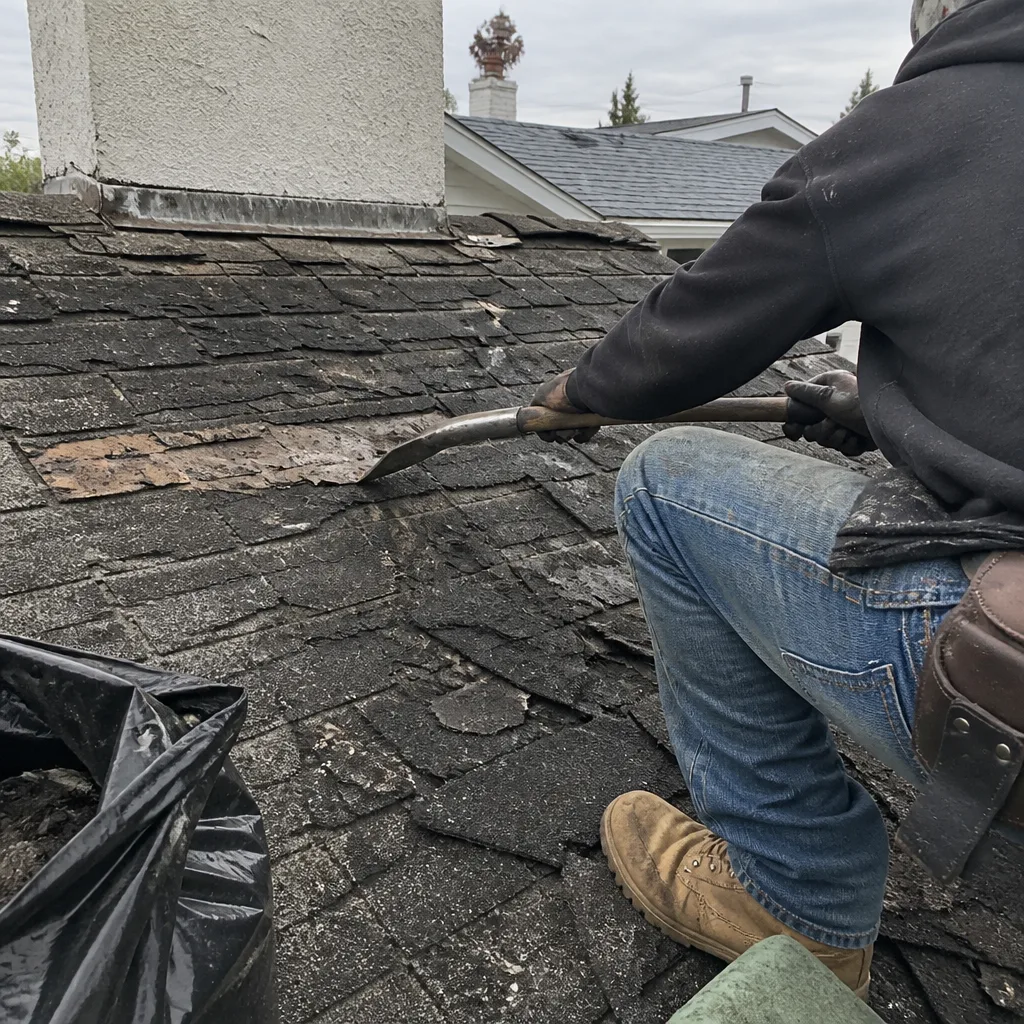 Before
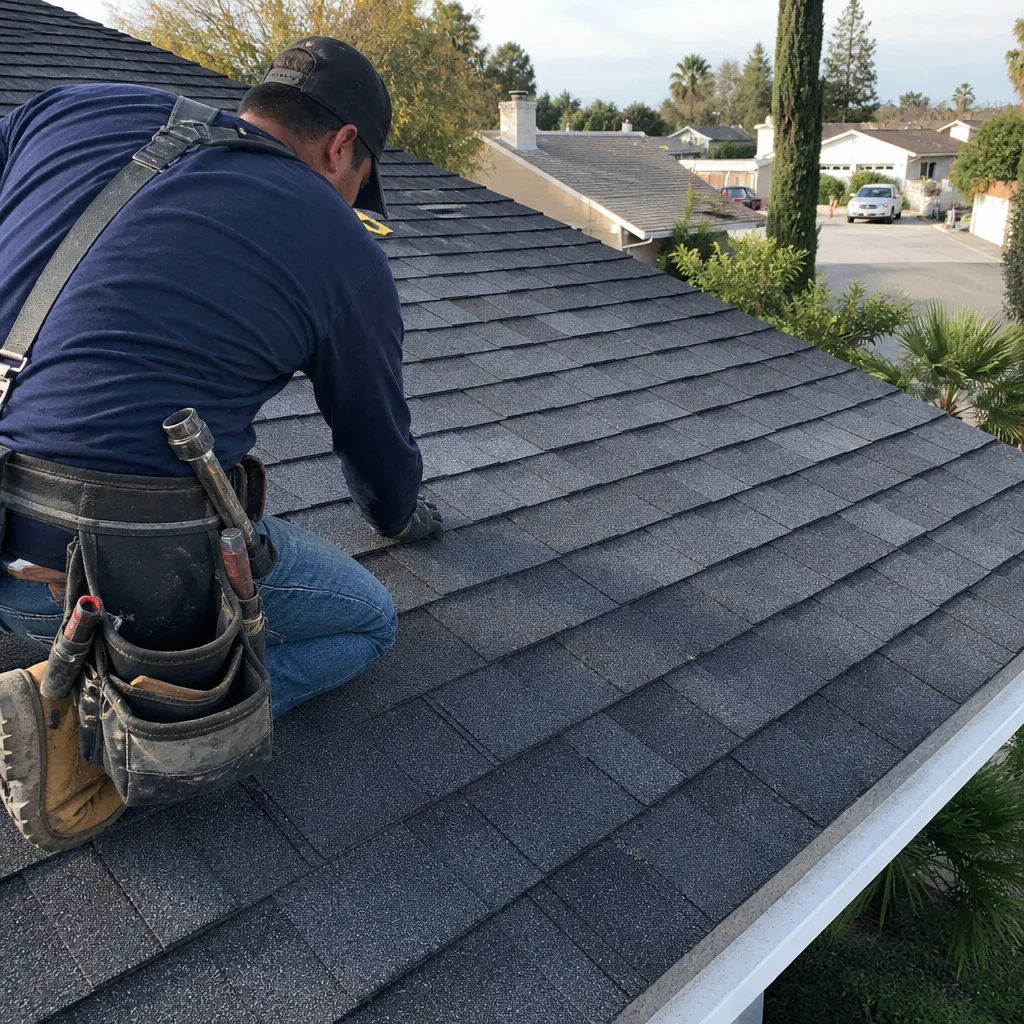
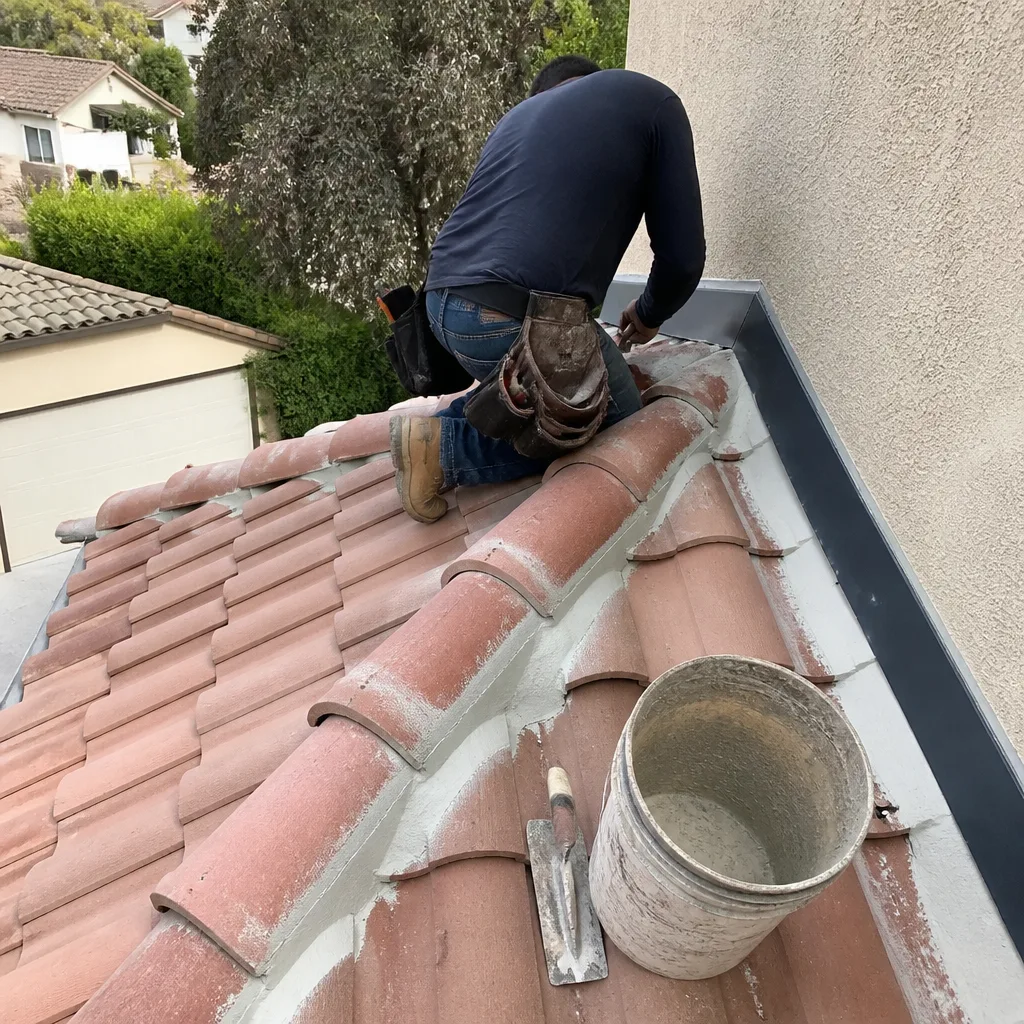 After
After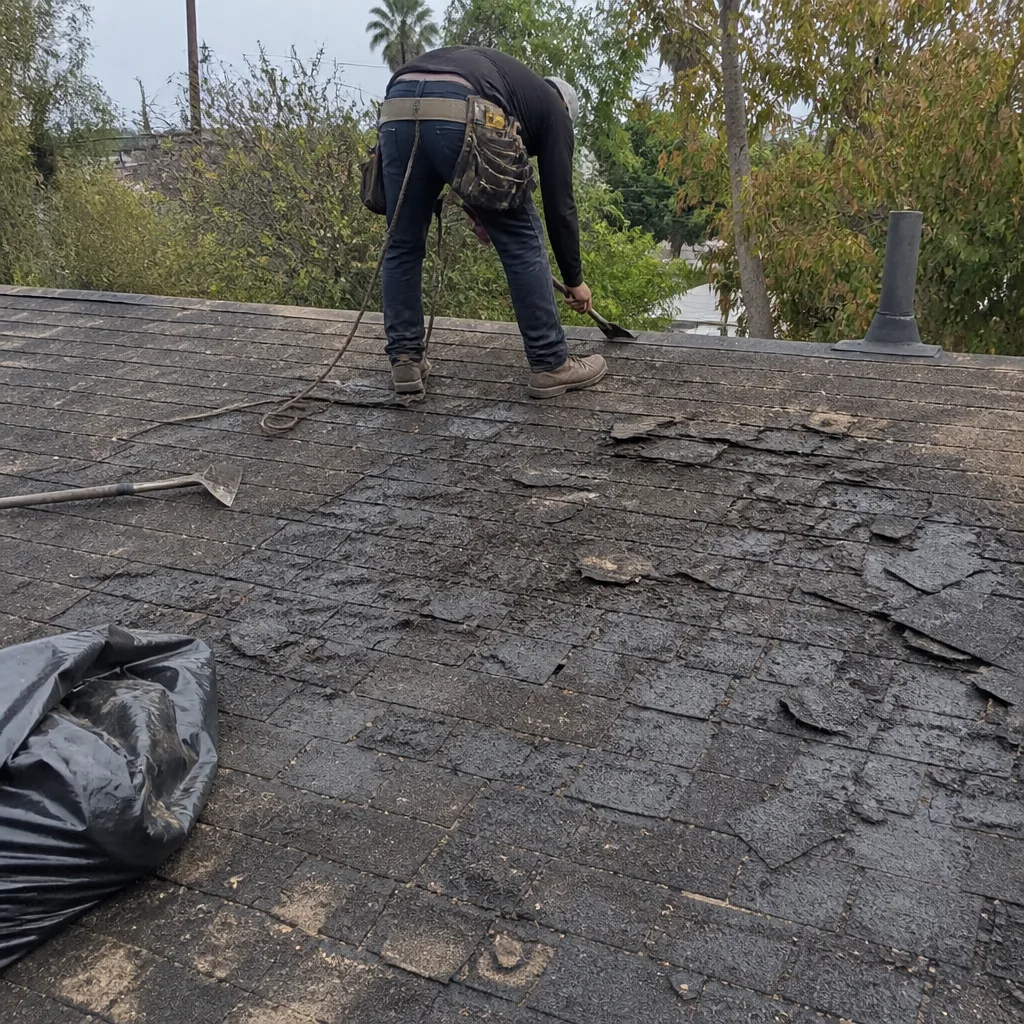 Before
 After
After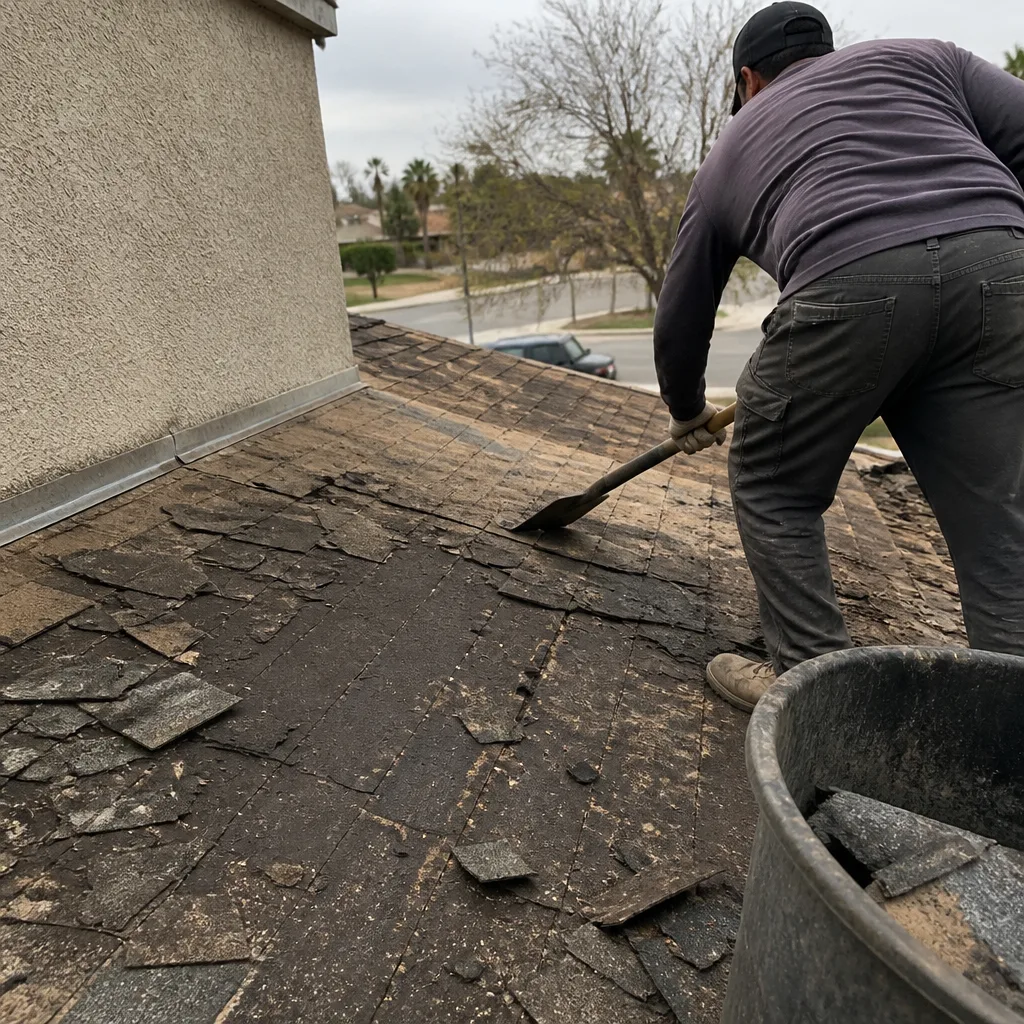 Before
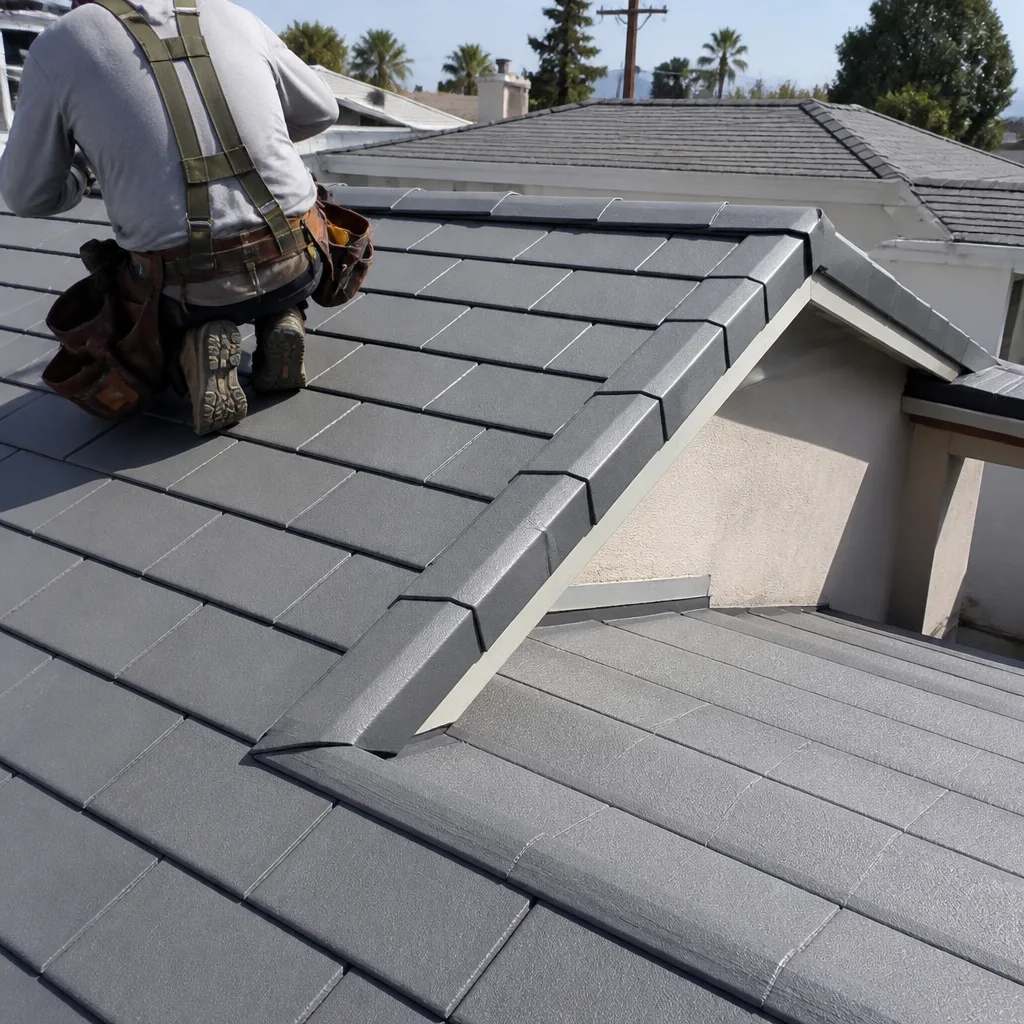 After
After