
Last updated October 17, 2026
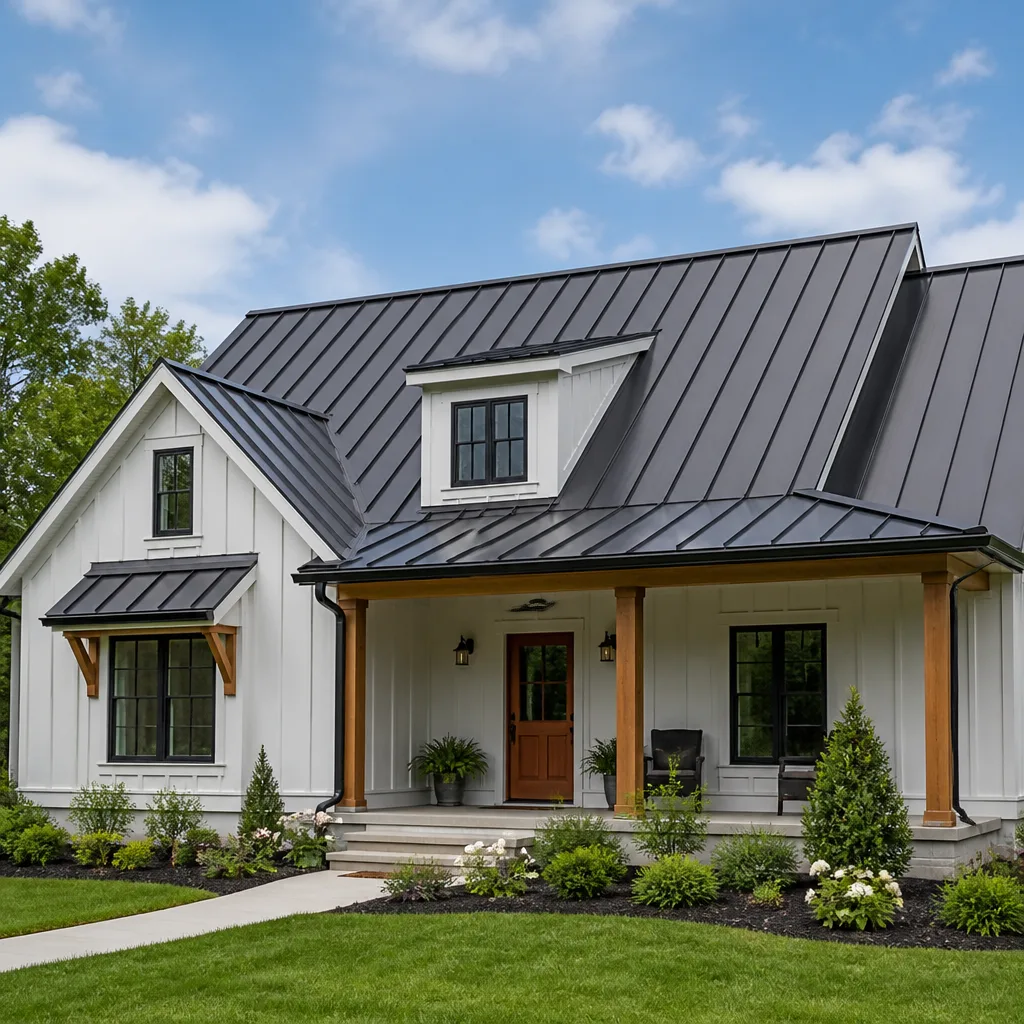 Metal roofing
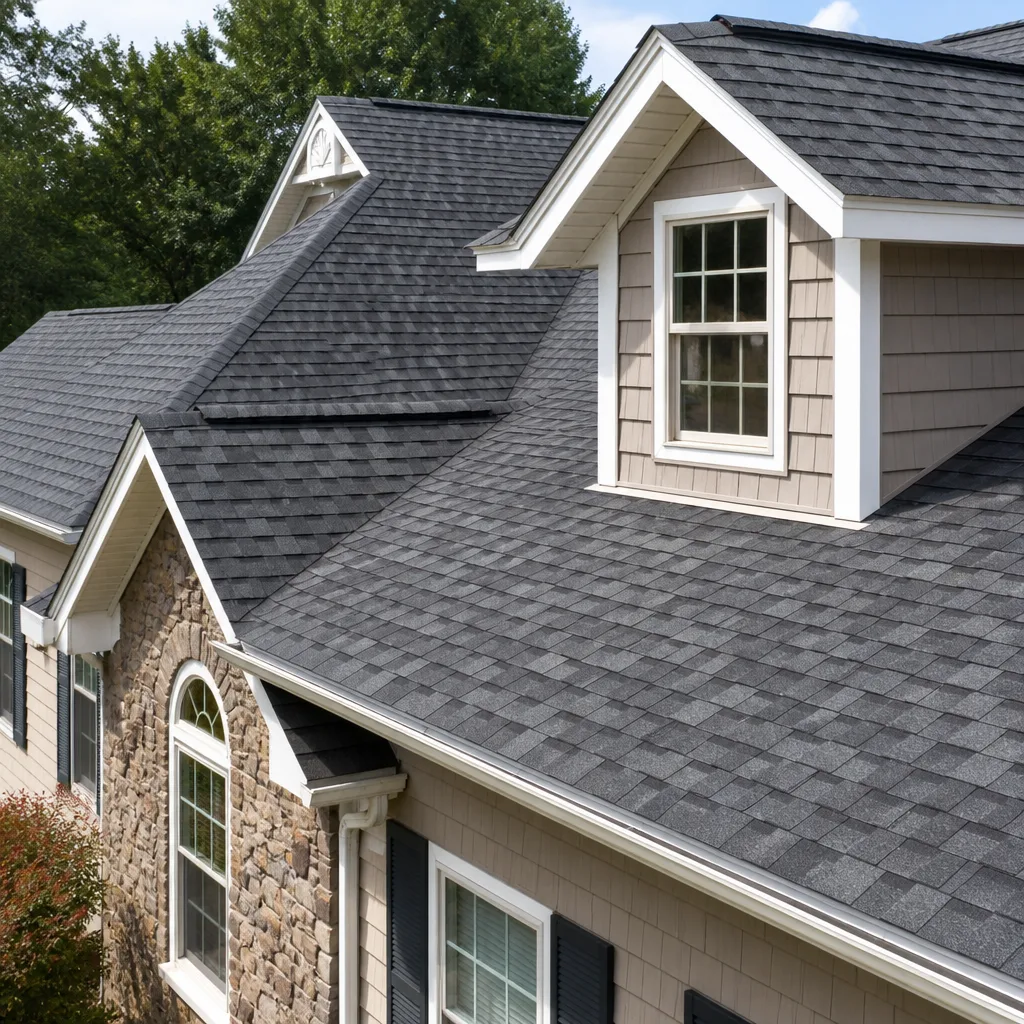 Architectural shingles
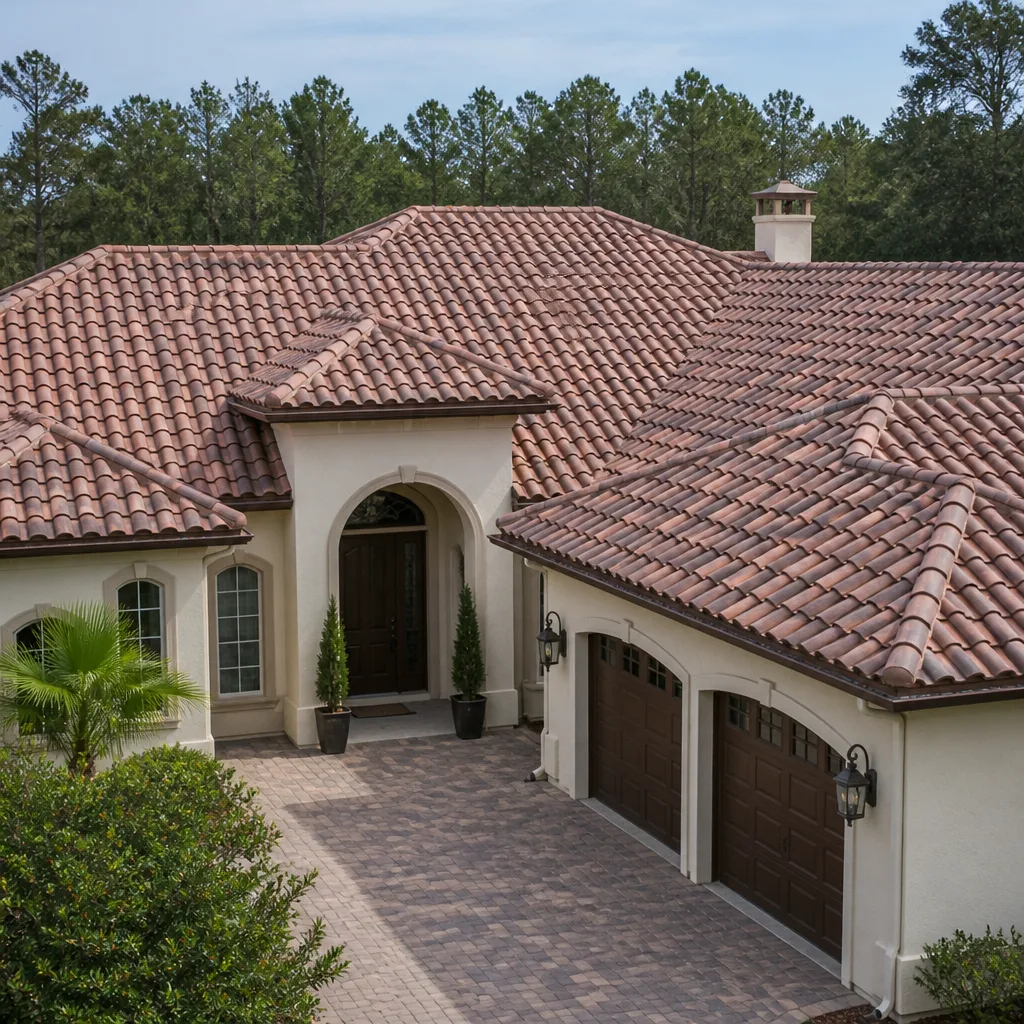 Tile roofing
 GAF
GAF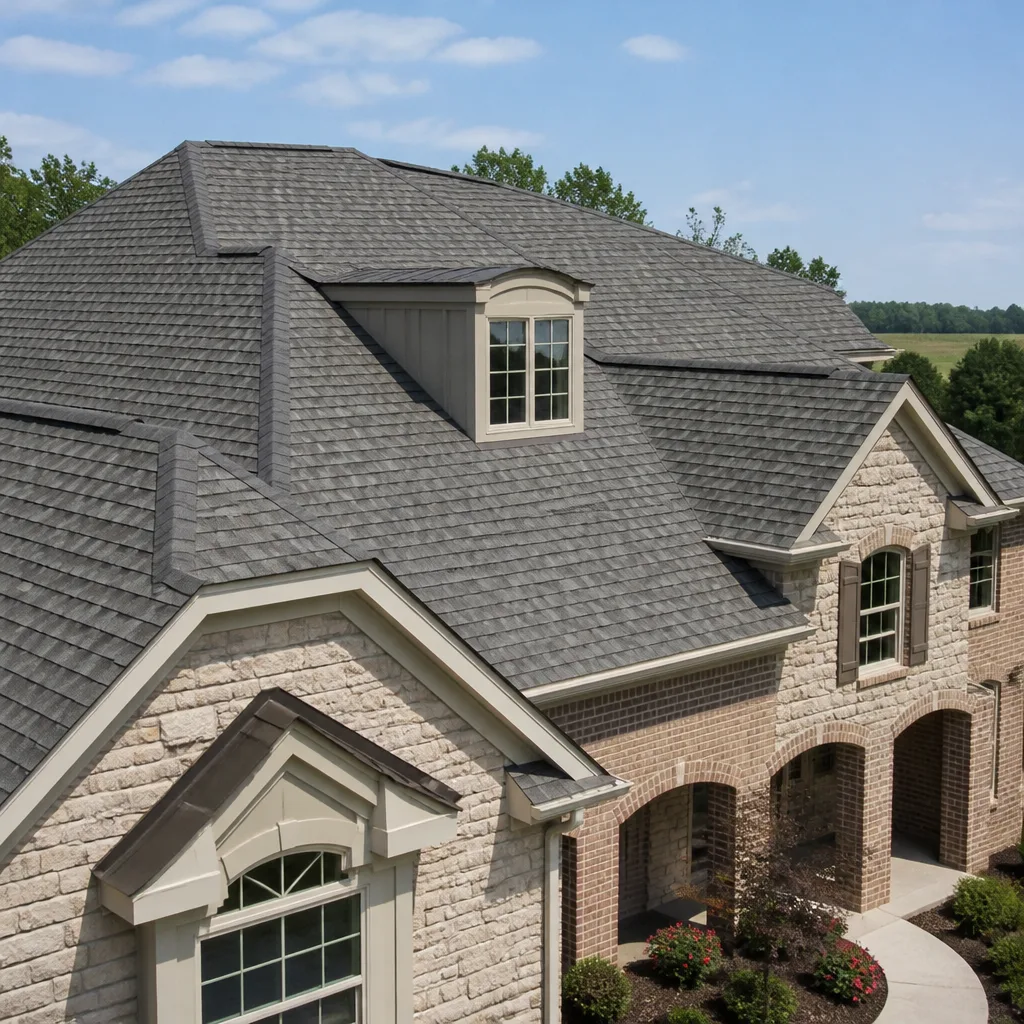 Owens Corning
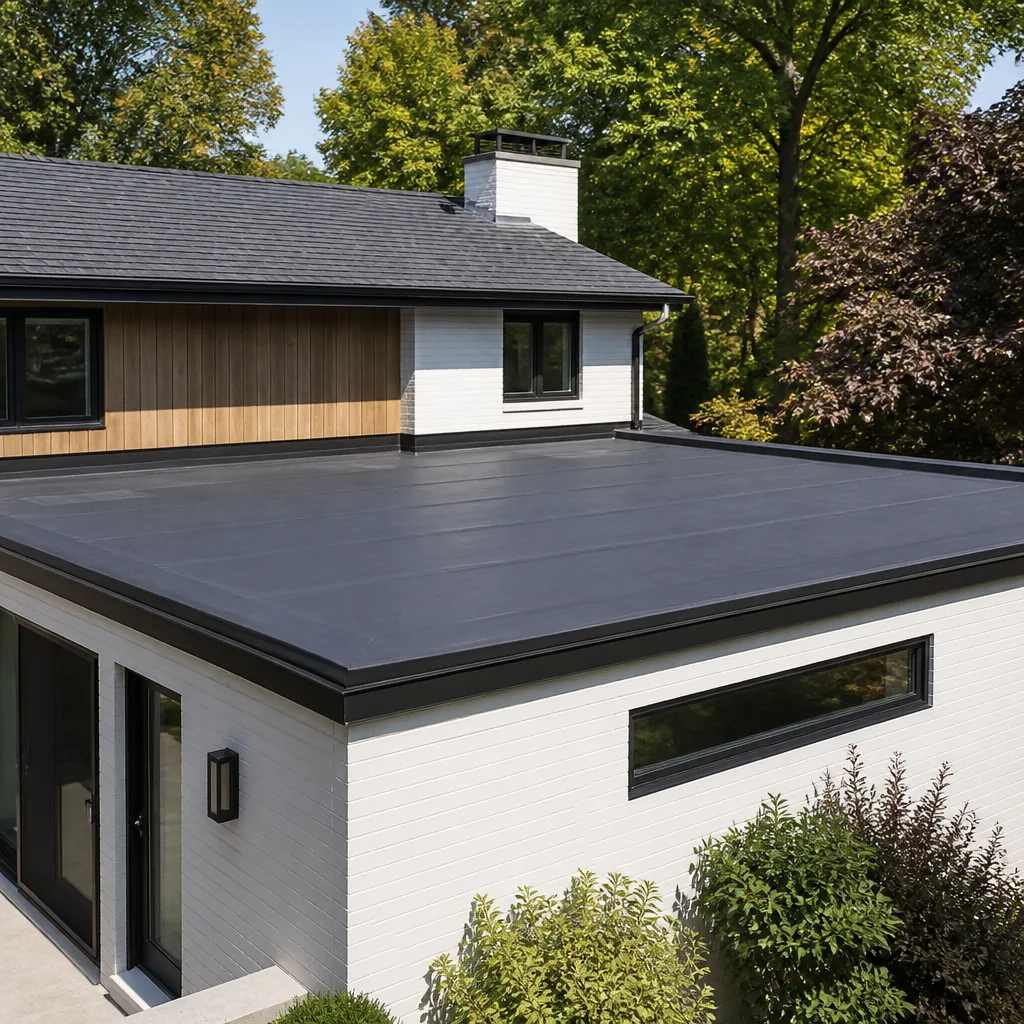 Flat & low-slope
Free roof inspection with deck photos before we talk money - GAF and Owens Corning certified installation
Roofing Permits, Codes & Inspections in CA: What You Need to Know
A roofing permit in Los Angeles costs between $200 and $600 in most cases. Unpermitted roofing work discovered during escrow can delay or kill a sale and require retroactive inspection that costs ten times that – or a full redo. Most homeowners in Los Angeles don’t realize that skipping a permit isn’t just a code violation. It’s a document that follows the property title and can collapse a home sale, void a homeowner’s insurance claim, or force a complete tear-off years after the original work was done. This guide walks you through exactly what Los Angeles requires, when a permit is mandatory, what happens during inspections, and what to do if you discover the previous owner never pulled one. For a broader look at the topic, see The Complete Guide to Roofing in Los Angeles.
Quick Answer
A roofing permit in Los Angeles is required for any roof replacement, re-roof over existing material, or structural repair that goes beyond surface patching, and it typically costs $200 to $600 depending on the job’s valuation. The permit process requires a rough inspection after underlayment is installed and a final inspection once the roof surface is complete. If a roof is replaced without a permit, the unpermitted status stays with the property title and can surface during escrow, refinancing, or an insurance claim, potentially forcing the owner to pay retroactive fees and redo the work to current code.
Styles & brands we work with
Table of Contents
- When LADBS Requires a Roofing Permit (and When It Doesn’t)
- The 50% Replacement Rule: Title 24 and Chapter 7A
- The Inspection Sequence: Rough, Final, and What Happens If Final Never Happens
- HOA Overlay Zones: Bel Air, Hancock Park, and HPOZ Requirements
- What to Do If the Previous Owner Pulled No Permit
- What a Los Angeles Roofing Permit Actually Costs
- Common Mistakes to Avoid
- When to Call a Professional
- Frequently Asked Questions
When LADBS Requires a Roofing Permit (and When It Doesn’t)
The Los Angeles Department of Building and Safety (LADBS) requires a building permit for any roof work that involves removing and replacing the roof covering, changing the roof structure, or installing a new roof over existing roofing material. In Los Angeles, a re-roof of more than 50% of the roof area within a 12-month period triggers a permit requirement. That threshold matters because many contractors describe repair work vaguely, but the code is specific: patch a few square feet and you’re fine; tear off and replace half the roof and you need paperwork.
Repair work that qualifies as exempt includes replacing individual shingles or tiles, patching small sections of underlayment, sealing flashing around a chimney or vent, and clearing debris from gutters. LADBS considers these “maintenance” activities so long as they cover less than 50% of the roof within a year and do not change the structural sheathing or framing. The moment a contractor pulls up decking, replaces rafters, or changes the roof’s slope, the work is structural and a permit is mandatory.
Here is the practical rule we use at Tilehurst Roofing Los Angeles home when talking with homeowners: if the work involves a tear-off, a new underlayment, or more than a few repaired squares, assume a permit is needed. The risk of being wrong on the side of no permit is a lot more expensive than the permit itself.
The 50% Replacement Rule: Title 24 and Chapter 7A
California’s Title 24 Building Energy Efficiency Standards and Chapter 7A fire-resistance requirements both kick in when a re-roof crosses the 50% threshold. Once a contractor removes and replaces more than half the roof area, the entire roof becomes subject to current code, not the code that was in effect when the house was built. In Los Angeles, that almost always means adding or upgrading roof insulation to meet current energy minimums and selecting roofing materials rated for the local Wildland-Urban Interface zone.
Chapter 7A is the part of the California Building Code that governs fire-resistant construction in wildfire-prone areas. A large portion of Los Angeles, especially the hillside communities and the San Fernando Valley’s edge zones, falls within LADBS’s designated fire hazard severity zones. If a home sits in one of these zones and the owner replaces more than 50% of the roof, the new roof covering must meet Class A fire rating standards. Materials like certain Boral tile profiles, GAF asphalt shingles, and Tamko’s Class A rated products all qualify, but the installer must document the product’s fire rating with the permit application.
The financial impact is real. A homeowner in Porter Ranch who planned a simple shingle swap might discover the job now requires R-38 attic insulation and a Class A underlayment. That can add $1,500 to $4,000 to the project, depending on attic access and existing insulation depth. Contractors who quote the job without pulling the permit often omit these costs entirely, and the homeowner doesn’t learn about the gap until the inspector shows up or, worse, until escrow collapses.
The Inspection Sequence: Rough, Final, and What Happens If Final Never Happens
A permitted roof replacement in Los Angeles follows a two-step inspection sequence. The first is the rough inspection, which happens after the old roof is torn off and the new underlayment is installed but before the finished surface goes down. The inspector checks the underlayment type, the fastening pattern, the flashing details at penetrations, and the decking condition. If the decking is rotted or undersized, the inspector will require replacement before the roof can be closed up.
The second is the final inspection, which happens after the roof covering is installed. The inspector verifies the finished surface meets the approved plans, confirms the ridge cap and drip edge are installed correctly, and checks that the roof meets any Title 24 or Chapter 7A conditions tied to the permit. Only after the final inspection is signed off does LADBS close the permit.
Here’s the scenario most homeowners don’t anticipate: a contractor finishes the roof, collects final payment, and never schedules the final inspection. The permit stays open in the LADBS system indefinitely. An open permit is a cloud on the title. When the homeowner tries to sell the house or refinance, the lender or title company discovers the open permit and demands it be closed. Closing an old permit often requires a retrofit inspection at current code, plus fees, plus potentially hiring a new contractor to correct whatever wasn’t done properly the first time. We’ve seen open permits from the early 2000s surface during 2023 escrows in Los Angeles. The cost to close them was far beyond what the original permit would have cost.
The inspection sequence in a numbered list:
- Contractor files permit application with LADBS and pays fees based on project valuation.
- Contractor completes tear-off and installs new underlayment and flashing.
- Rough inspection is scheduled and passed by an LADBS inspector.
- Contractor installs the finished roof surface (shingles, tile, metal, etc.).
- Final inspection is scheduled and passed by an LADBS inspector.
- Permit is signed off and closed in the LADBS system; homeowner receives documentation.
HOA Overlay Zones: Bel Air, Hancock Park, and HPOZ Requirements
Several Los Angeles neighborhoods operate under a second layer of approval. Communities like Bel Air and Hancock Park, along with the city’s Historic Preservation Overlay Zones (HPOZs), have architectural review committees that control what a roof can look like, what materials are allowed, and sometimes even what color the finished surface can be. A city permit from LADBS does not substitute for HOA or HPOZ approval, and HOA approval does not substitute for a city permit. Both are required, and neither agency accepts the other’s paperwork as a shortcut.
Hancock Park, for example, sits within an HPOZ where the roof’s visual character is protected. Homeowners there may be required to use wood shake or a specific tile profile regardless of what LADBS would otherwise allow. A homeowner who replaces a wood shake roof with asphalt shingles without HPOZ sign-off can be forced to tear the new roof off and return the home to the approved material. That’s not a hypothetical; it’s a reoccurring problem in Los Angeles historic districts.
Bel Air’s HOA rules are similarly strict but for a different reason: property values and neighborhood uniformity. Many Bel Air HOAs require tile or slate profile roofs and prohibit certain asphalt products outright. The savvy move for any Los Angeles homeowner in a neighborhood with an HOA or HPOZ is to check both approval tracks before signing a contract. At Roofing Company in Los Angeles projects, we establish early in the quoting process whether an HOA or HPOZ overlay applies, because it changes the material options, the timeline, and the price.
CertainTeed and Boral are two manufacturers commonly specified in these overlay zones because of their profile variety and historical compatibility. Boral’s tile profiles, in particular, match many of Los Angeles’s original Spanish and Mediterranean roofscapes, which is why so many HPOZ committees approve them without a fight.
What to Do If the Previous Owner Pulled No Permit
Discovering an unpermitted roof on a Los Angeles home creates three paths, and each has different costs and risks. The first path is to do nothing and hope it never comes up. That is the cheapest option today and the most expensive option later. Unpermitted work has no statute of limitations in the title record; it will surface during escrow, refinance, or an insurance claim. When it surfaces, the homeowner is on the hook for retroactive permitting, inspection, and any required corrections at current code.
The second path is to hire a contractor to pull a retroactive permit. LADBS has a process for this: the contractor files an “as-built” permit application, an inspector assesses the existing roof’s condition and code compliance, and the homeowner pays the permit fee plus any corrections. If the existing roof meets current code, retroactive permitting can cost between $1,000 and $3,000, including the contractor’s time and LADBS fees. If the roof does not meet current code, which is common given California’s evolving Title 24 and Chapter 7A standards, the corrections can escalate quickly.
The third path is to replace the roof entirely with a permitted job. That sounds drastic, but in some cases it’s the smarter financial move. An unpermitted roof that is already mid-life and out of code compliance may cost more to retrofit than to replace, especially when the replacement includes a proper permit, a Class A fire rating, and current insulation. Homeowners in Los Angeles who discover an unpermitted roof before listing their home often choose this path because it eliminates the escrow risk entirely.
If the previous owner’s contractor also did poor workmanship, the problem compounds: the unpermitted status hides the shoddy installation from scrutiny until it’s too late. We have repaired roofs in Los Angeles where the previous owner skipped the permit and the original contractor skipped basic details like the drip edge or correct underlayment, and the homeowner only discovered it when water stains appeared on the ceiling. The lesson: an unpermitted roof is a signal to look harder at the workmanship underneath.
What a Los Angeles Roofing Permit Actually Costs
LADBS permit fees for a residential re-roof in Los Angeles typically run between $200 and $600, based on the declared valuation of the project. The calculation is not a flat rate: LADBS applies a percentage-based fee schedule to the project’s total value. A simple asphalt shingle re-roof on a 1,500-square-foot home might trigger a $250 to $350 fee. A tile replacement with structural repairs on a 3,000-square-foot house could run $500 to $600 or more.
Here’s what a full Los Angeles roofing permit cost breakdown looks like for a typical asphalt shingle replacement on a 1,500-square-foot home:
- LADBS building permit fee: $250 to $400
- Title 24 energy compliance documentation (if triggered): $150 to $350
- HOA/HPOZ application fee (if applicable): $100 to $500
- Contractor administrative time for permit filing and inspections: $300 to $600
- Total realistic permit-related cost: $500 to $1,500
For a tile roof replacement in Los Angeles with Chapter 7A fire requirements, the numbers shift:
- LADBS building permit fee: $350 to $600
- Chapter 7A fire rating documentation: $100 to $250
- Title 24 energy compliance documentation: $150 to $350
- HOA/HPOZ application fee (if applicable): $200 to $500
- Contractor administrative time: $400 to $700
- Total realistic permit-related cost: $1,200 to $2,400
The permit itself is the smallest line item. The time, documentation, and compliance requirements are what drive the real cost. Contractors who quote work without permits often quote lower prices, but the homeowner is buying a future liability, not a bargain.
Roofing Material Choices Under Los Angeles Code
Los Angeles’s climate shapes roofing code in ways most homeowners don’t consider until the inspector mentions it. The city’s long, dry summers and sudden winter rains mean underlayment choices matter more than the finished surface for long-term water protection. LADBS requires specific underlayment types for different roof slopes, and the requirement changed significantly with recent code updates. In Los Angeles, low-slope roofs require a more substantial underlayment system than steep-slope roofs because water moves slower and has more time to find a seam.
For steep-slope asphalt shingle roofs, the market in Los Angeles gravitates toward GAF, CertainTeed, and Owens Corning products, all of which offer Class A fire ratings that satisfy Chapter 7A requirements. But homeowners in Los Angeles’s tile-heavy neighborhoods, like the Spanish-style homes in the Fairfax district or the Mediterranean profiles in Sherman Oaks, often choose Boral tile because the profile matches the home’s architecture and the HOA will approve it without a fight.
The material choice also affects the permit itself. LADBS requires documentation of the product’s fire rating and wind uplift rating with the permit application. If a contractor installs a product without that documentation, the inspector can fail the final inspection and require a tear-off. That’s an extreme but real outcome, usually seen with off-brand imported products that lack testing data. We learned to stick with manufacturers who publish full code compliance documentation for every product line, which is one reason Roof Replacement in Los Angeles projects through our company typically specify GAF, CertainTeed, Owens Corning, IKO, Atlas, Tamko, or Boral. The paperwork is complete, the testing is current, and the inspector knows the product.
Common Mistakes to Avoid
- Accepting a quote without permit costs clearly itemized. Some Los Angeles contractors quote the roof work only and bury the permit as an “unforeseen cost” after the job starts. The written price should include the permit, the compliance documentation, and the inspection scheduling from day one.
- Assuming a roof repair never needs a permit. Repairs under 50% of the roof area within a year usually qualify as exempt, but once structural work starts, the exemption vanishes. A contractor who discovers rotted decking and replaces it without a permit has voided the exemption and put the homeowner at risk.
- Letting the contractor close the job without the final inspection. This is the most common open-permit scenario in Los Angeles. The homeowner pays, the contractor leaves, and the permit never gets signed off. Years later, the open permit blocks escrow.
- Ignoring the HOA or HPOZ approval process. In neighborhoods like Hancock Park and Bel Air, the HPOZ or HOA has independent authority over roof materials and appearance. A city permit does not give a pass on that approval, and the HPOZ can order a redo.
- Choosing the lowest bid without checking permit history. A contractor who routinely skips permits will quote lower prices. The homeowner saves money now and buys a problem the next owner will discover. In Los Angeles, the permit history is public record through LADBS, and any buyer’s inspector will check it.
- Not keeping the closed permit documentation. When the permit is finalized, LADBS issues a signed-off record. Losing that document makes it harder to prove the roof was permitted when it’s time to sell. Keep it with the property records.
- Filing the permit as an owner-builder without understanding the liability. In California, the owner-builder path exists, but it comes with legal exposure and the work must still meet code. For a re-roof, the savings rarely justify the responsibility of managing inspections, compliance documents, and the construction law requirements that come with owner-builder status.
When to Call a Professional
Any time a roof replacement in Los Angeles crosses the 50% threshold, the permit process becomes mandatory, and the compliance documentation becomes specialized. That’s the moment to call a contractor who does this work routinely, not a handyman with a pickup truck. A roofing professional who has pulled hundreds of LADBS permits knows how to schedule rough and final inspections promptly, how to document Title 24 and Chapter 7A compliance, and how to spot the HOA overlay issues before they become a stop-work order. If you discover an unpermitted roof from a previous owner, a roofing contractor with local experience can tell you whether retroactive permitting is viable or whether the smarter move is a full permitted replacement.
Roof Repair in Los Angeles work through Tilehurst Roofing Los Angeles comes with a written price before any work starts and a written guarantee on every repair. We are part of the Kingswell family of roofing companies, founded in 2000, and we operate under the Kingswell Guarantee: say the price before the work, show up in the window we gave, leave the place cleaner than we found it, put the guarantee in writing, and come back if it fails. Every job begins with a written line-item quote that includes the permit cost. Tilehurst Roofing Los Angeles offers free estimates in Los Angeles. Call (213) 674-2890 to schedule one.
Frequently Asked Questions
A roofing permit in Los Angeles typically costs $200 to $600 in LADBS fees alone, with total permit-related costs including compliance documentation and contractor time running $500 to $2,400 depending on the roof’s size, material, and whether Title 24 or Chapter 7A requirements apply. Call (213) 674-2890 for an exact quote for your roof; we can tell you the permit cost before you commit to anything.
An unpermitted roof in Los Angeles stays on the property’s record and can block a sale, refinance, or insurance claim when the missing permit is discovered. The homeowner may be required to file a retroactive permit, bring the roof to current code, and pay penalties and inspection fees. In some cases, the corrections required to pass a retroactive inspection cost more than a full permitted replacement.
Yes, and in Los Angeles, a licensed contractor should pull the permit and manage the inspection schedule. The contractor’s name goes on the permit, and they are responsible for the work passing code. A contractor who suggests the homeowner pull the permit themselves to “save money” is often shifting liability away from their own work, and that should raise a red flag.
If the home is in a neighborhood with an HOA, a Historic Preservation Overlay Zone, or an architectural review committee, yes, HOA or HPOZ approval is required in addition to the LADBS permit. Communities like Bel Air, Hancock Park, and the city’s HPOZ designations enforce their own roof material and appearance rules, and a city permit does not override those rules.
A straightforward re-roof permit in Los Angeles can be approved in a matter of days or a couple of weeks, depending on LADBS’s current workload and whether the application is complete. More complex jobs that trigger Title 24 or Chapter 7A review can take longer. The rough and final inspections each require scheduling a day or two in advance, and a contractor who files a complete application with all required product documentation moves through the process fastest.
The 50% rule means that if more than half of a roof’s area is replaced within a 12-month period, the work is treated as a full re-roof under California code. That triggers Title 24 energy compliance requirements and, in Los Angeles’s fire hazard severity zones, Chapter 7A Class A fire-rated material requirements. Many contractors describe minor repairs as exempt when the actual scope crosses the 50% threshold, which is why the written scope of work matters as much as the price.
The Bottom Line
A permit is the cheapest part of a Los Angeles roof replacement and the most expensive part to skip. The permit cost, usually $200 to $600 in LADBS fees, buys a signed-off inspection record that protects the homeowner through escrow, refinancing, and insurance. The alternative is an unpermitted roof that hangs over every future transaction with the property. In Los Angeles’s HOA and HPOZ communities, the approval process adds a second layer that a city permit cannot replace. The practical rule for any Los Angeles homeowner: if the roof work is more than a patch job, pull the permit, schedule both inspections, keep the closed-permit documentation, and know that the written price from a roofing contractor should already include every permit-related cost. For more guides & resources, visit our blog. The cost of skipping that step, somewhere down the road, is almost always a full redo.
Written by Greg Holloway, Owner at Tilehurst Roofing Los Angeles, serving Los Angeles since 2000.
See the difference
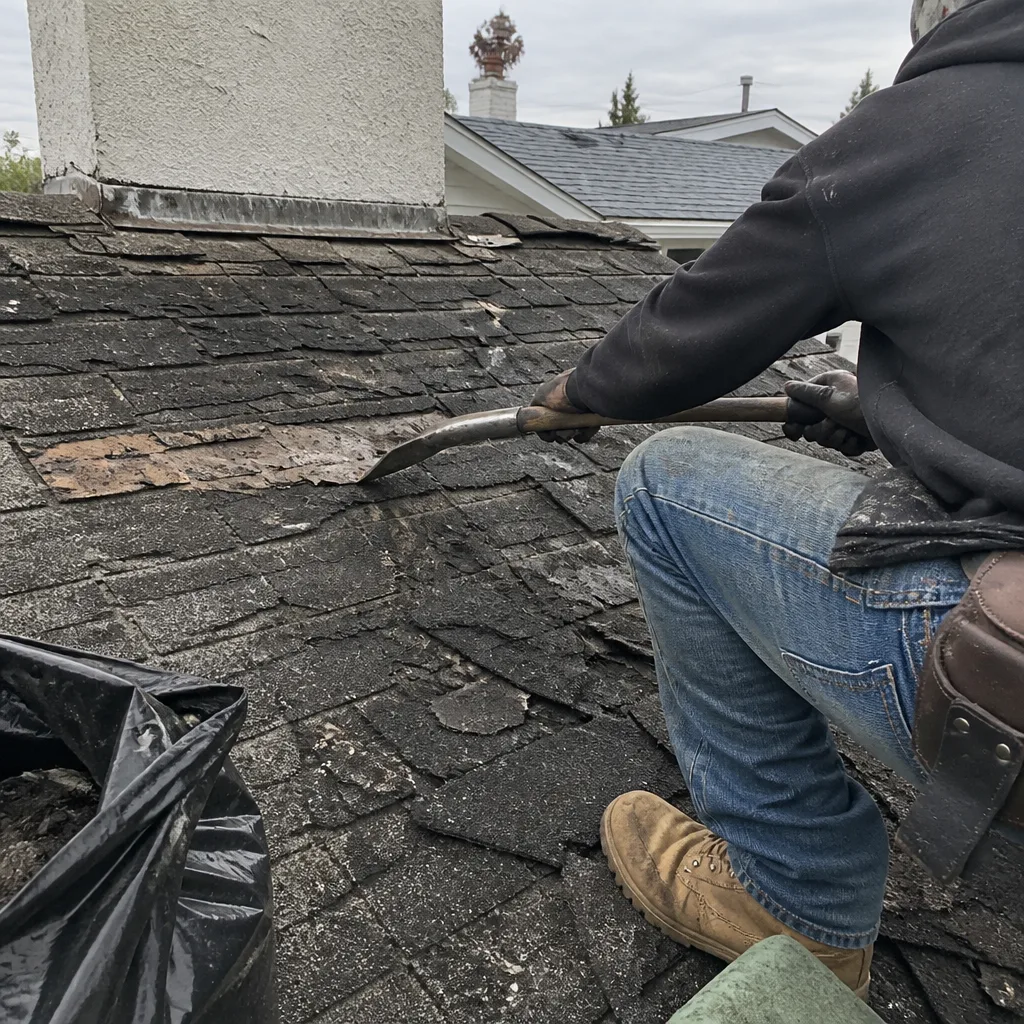 Before
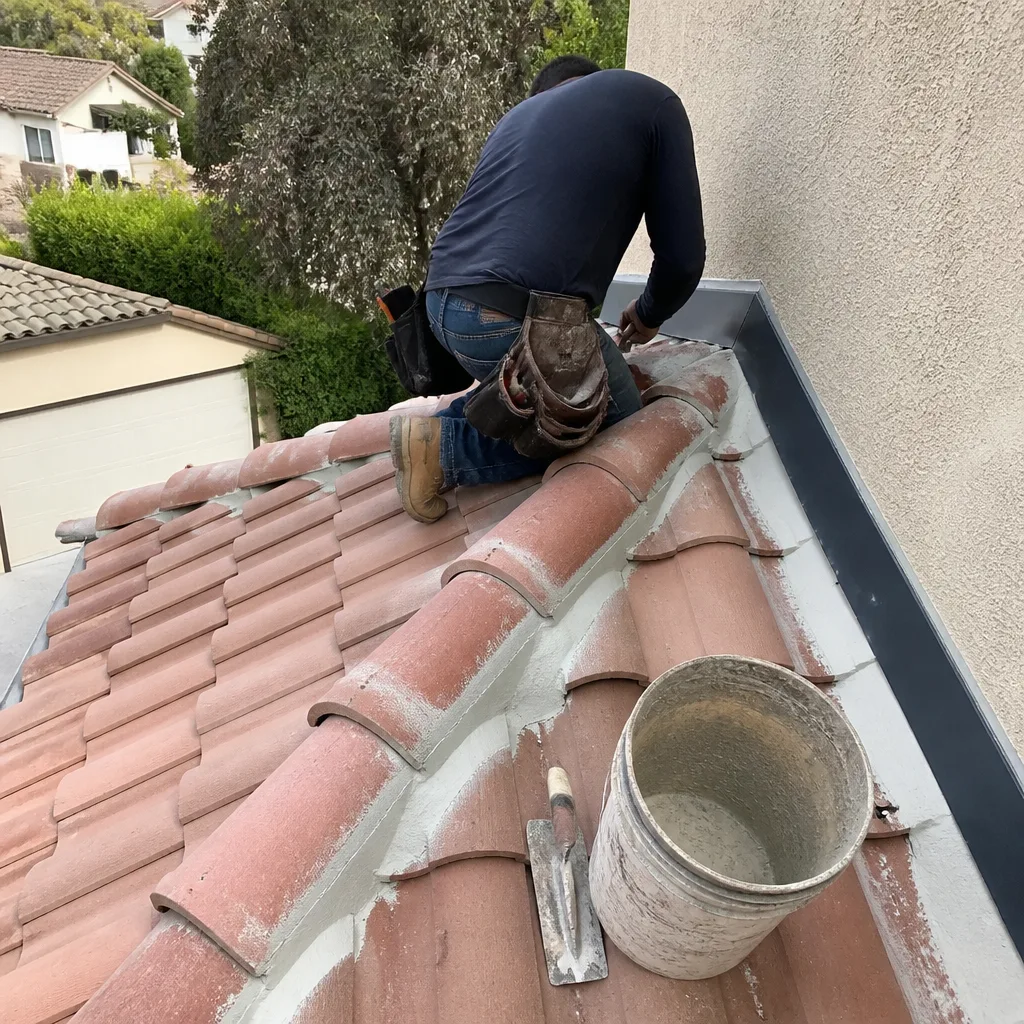 After
After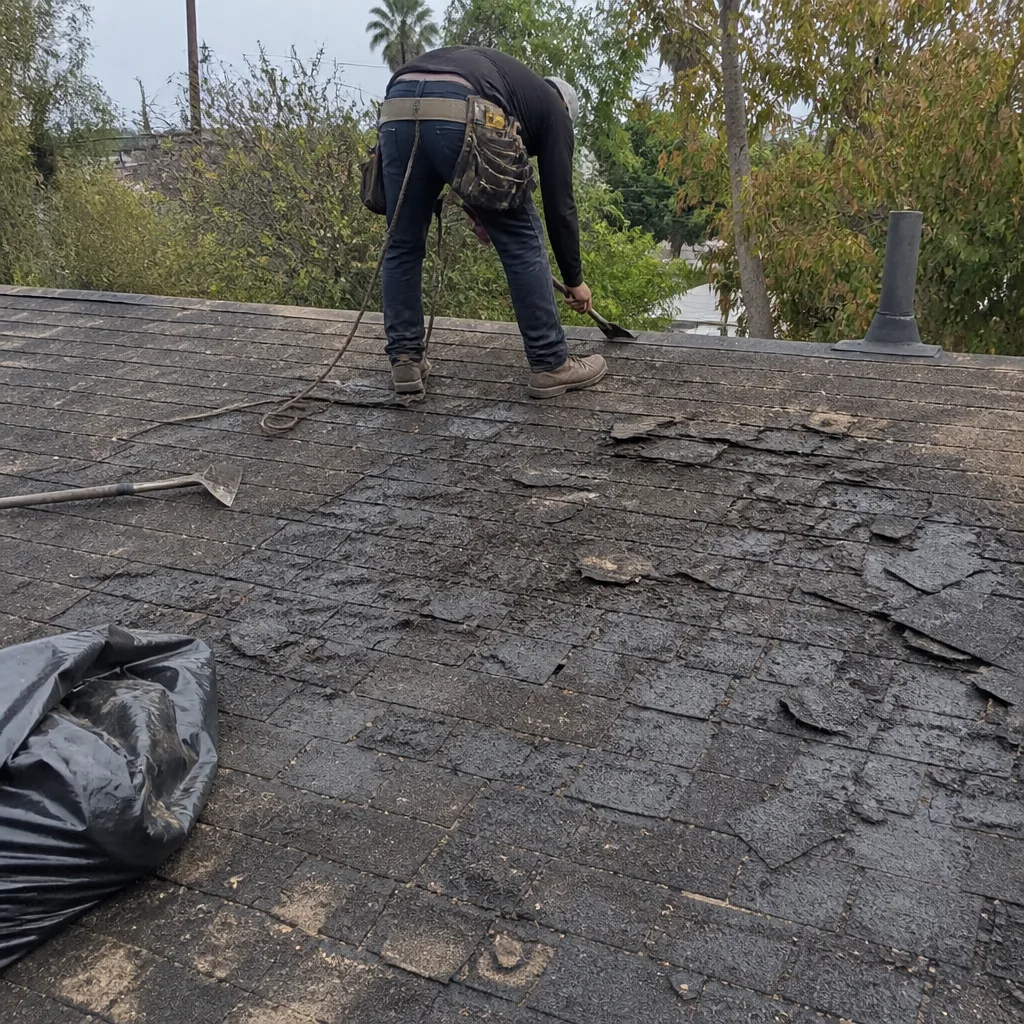 Before
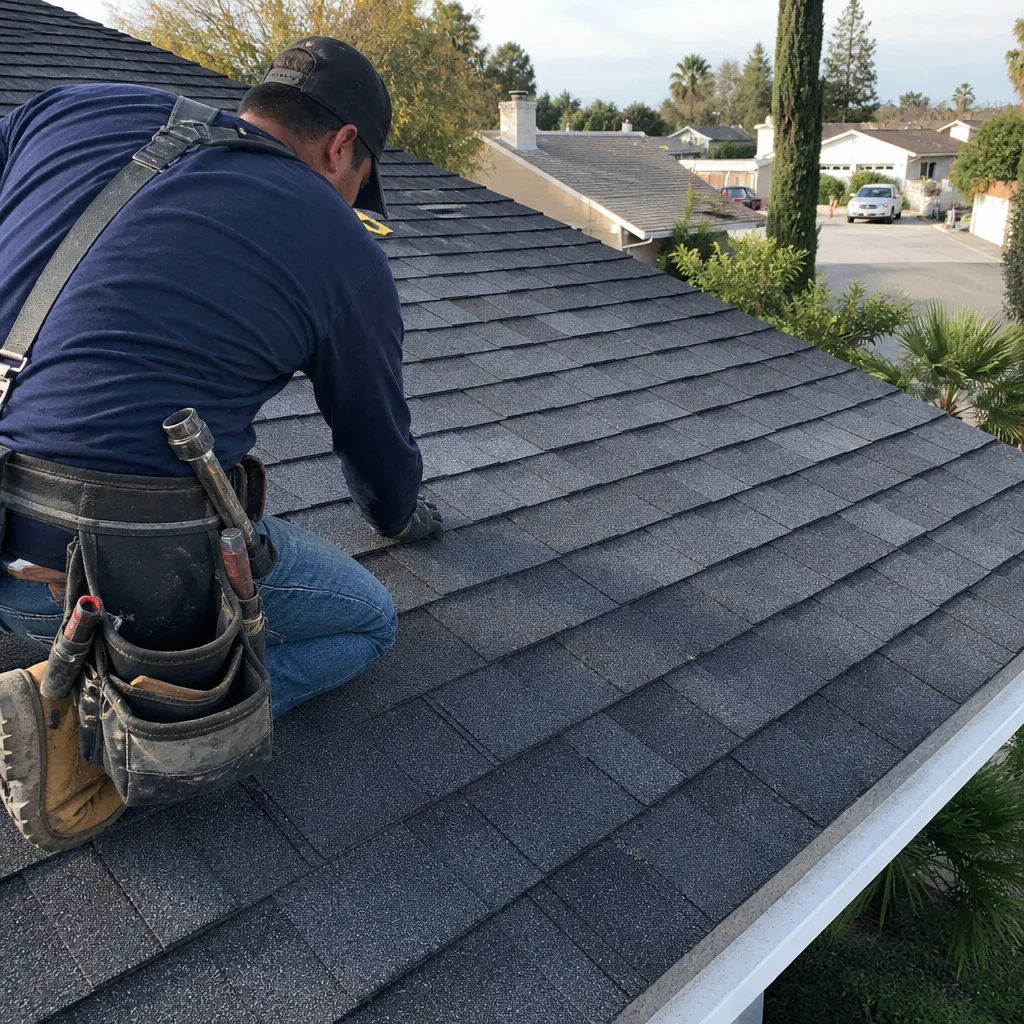 After
After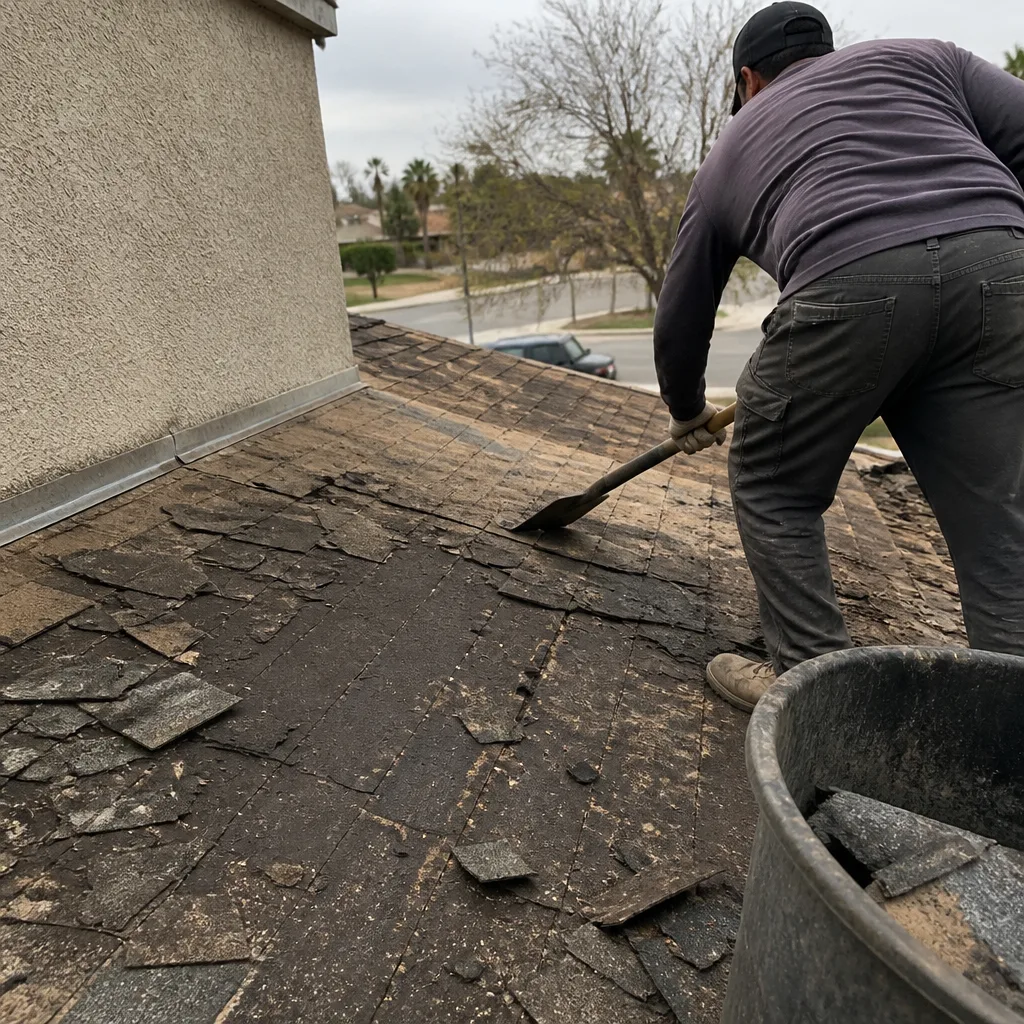 Before
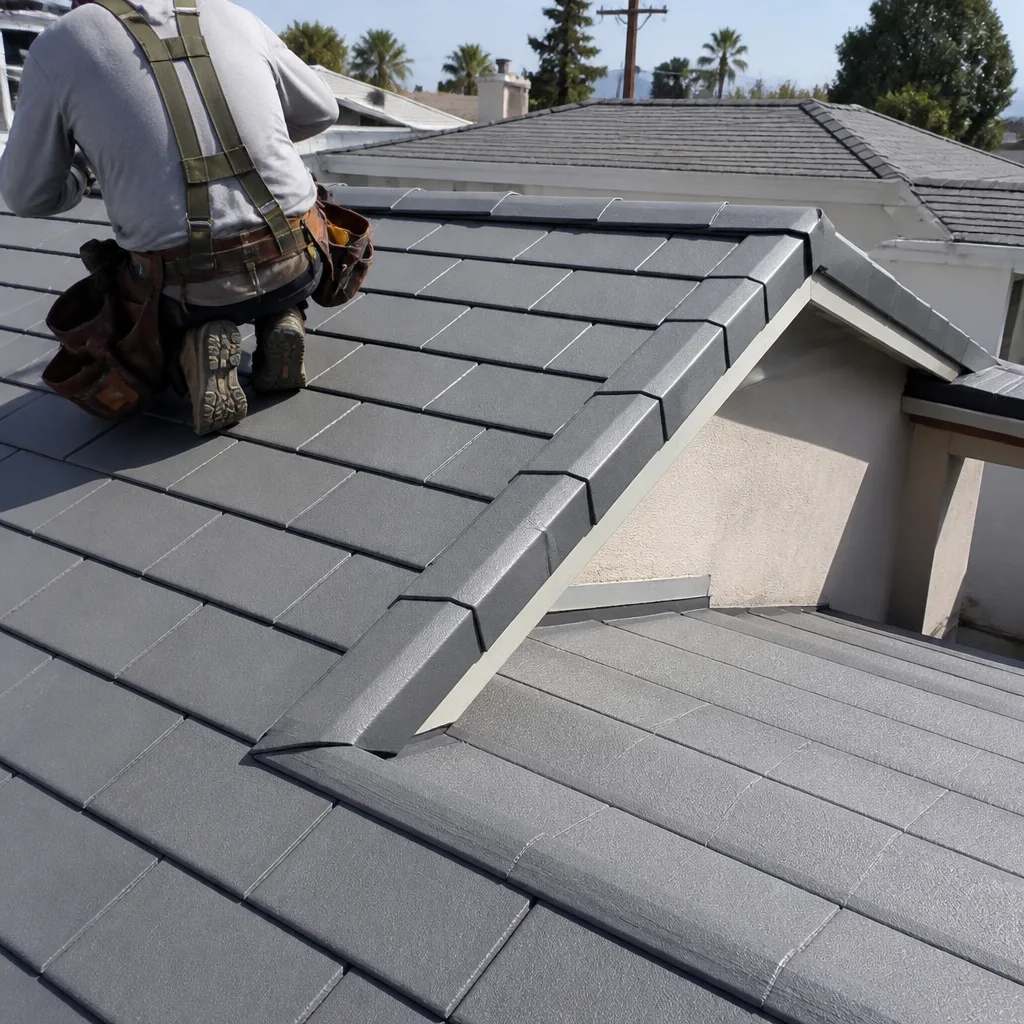 After
After