
Last updated October 17, 2026
 Metal roofing
 Architectural shingles
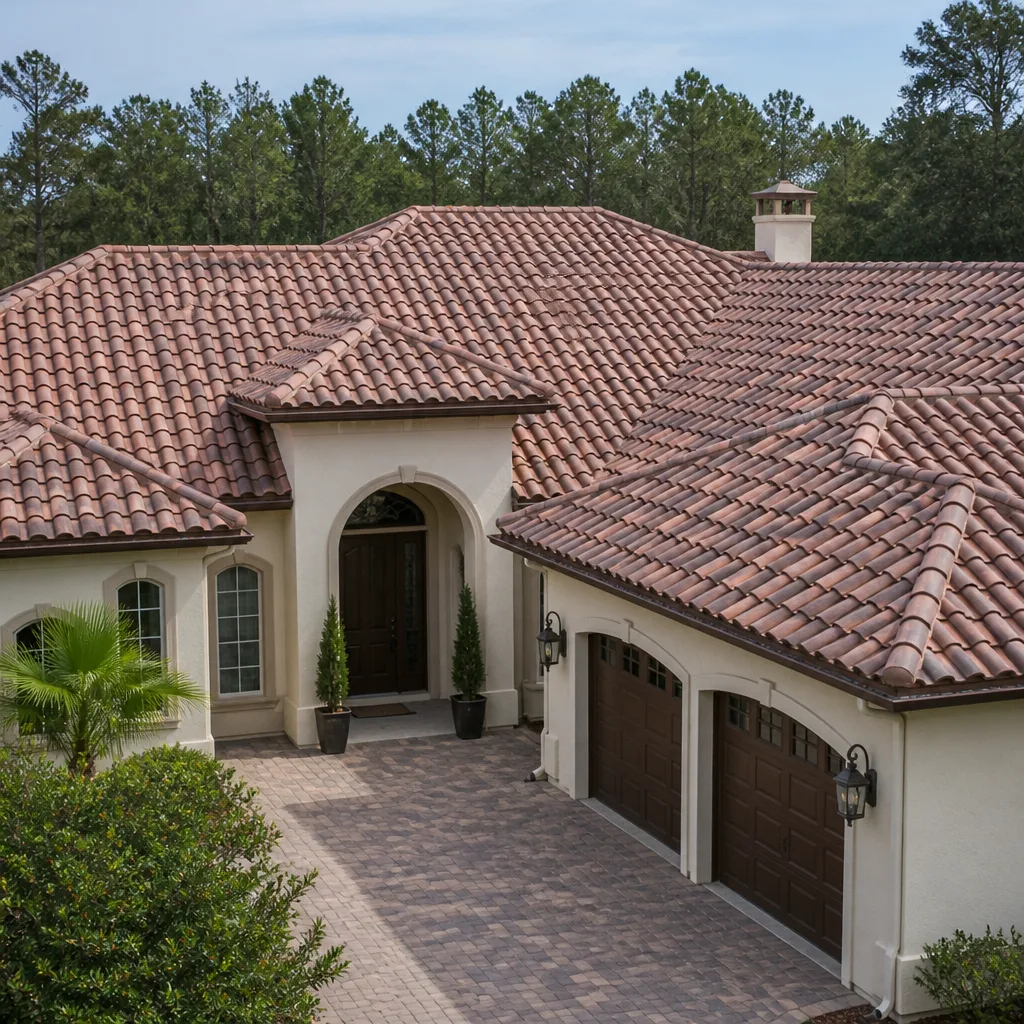 Tile roofing
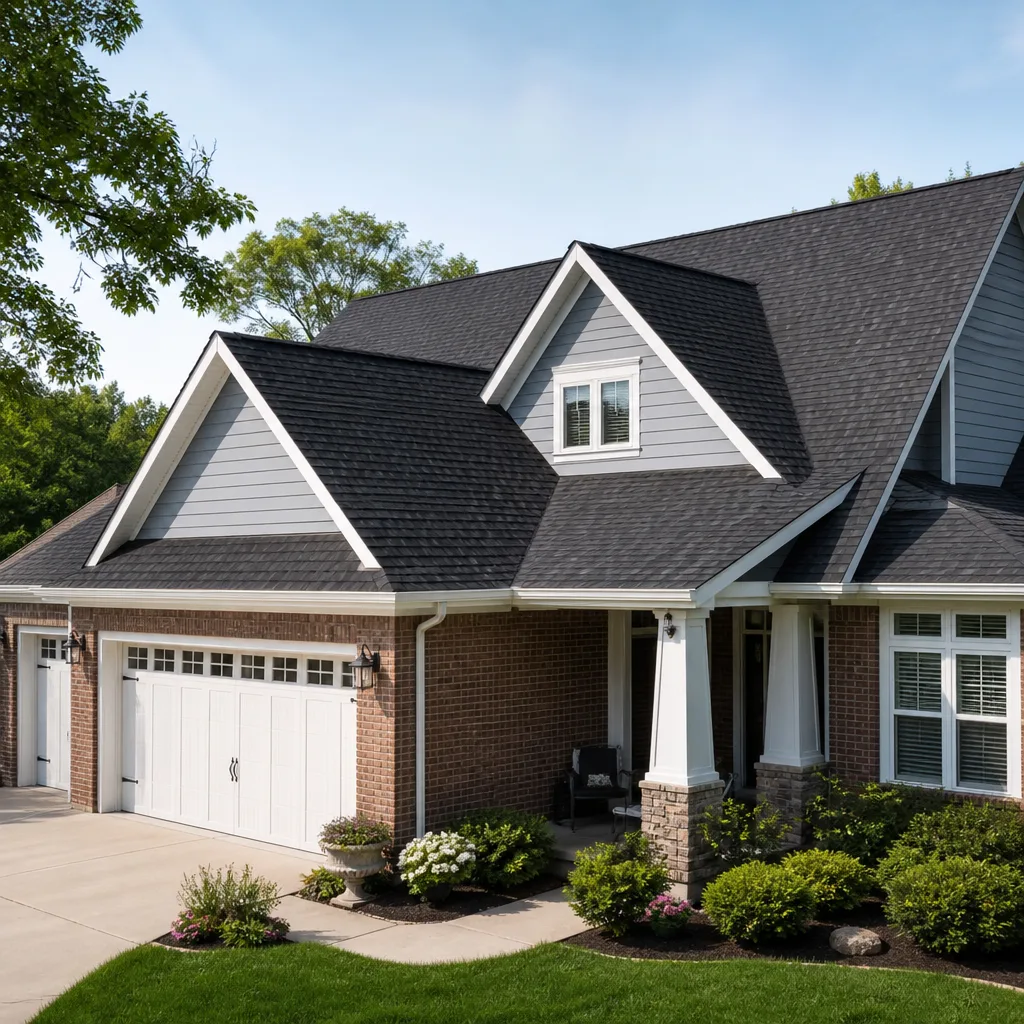 GAF
GAF Owens Corning
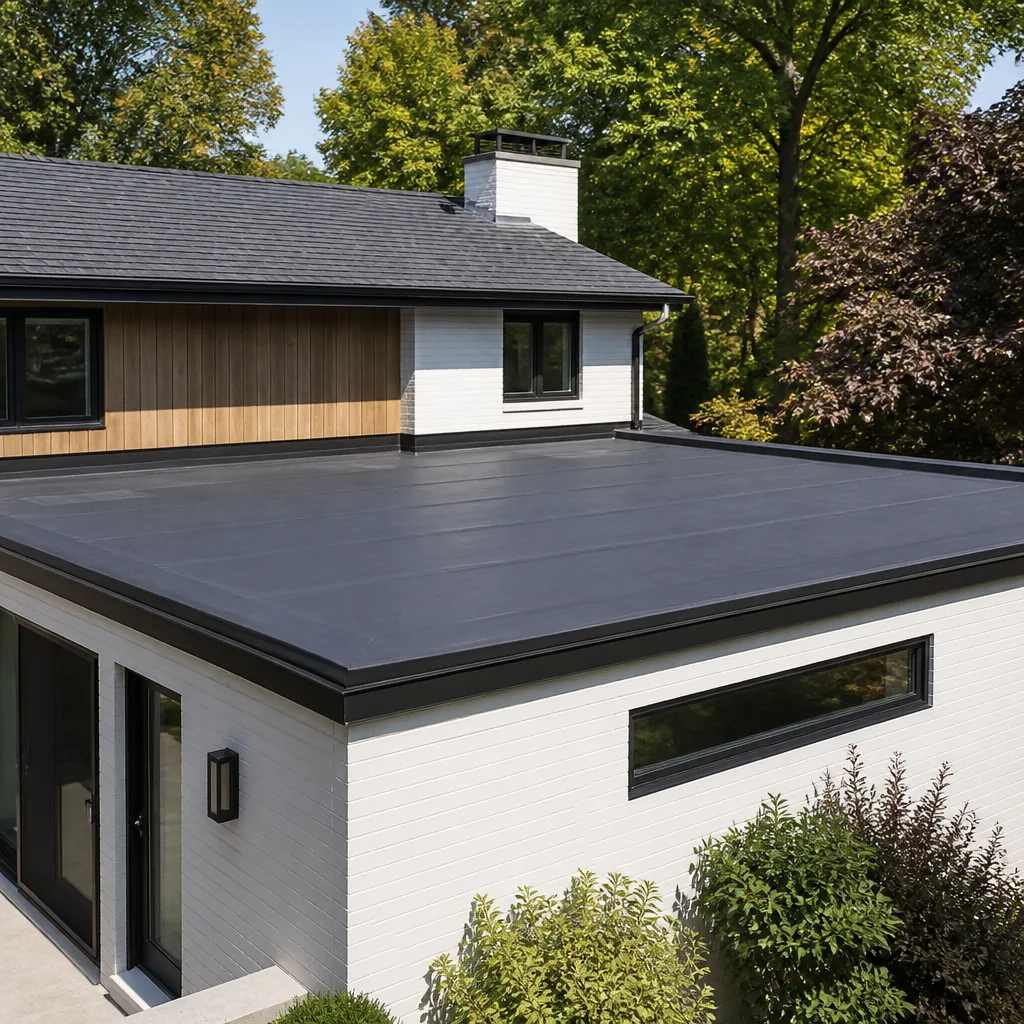 Flat & low-slope
Free roof inspection with deck photos before we talk money - GAF and Owens Corning certified installation
Roofing Company Maintenance Checklist for Los Angeles Homeowners
The standard advice you’ll hear is “inspect your roof twice a year, spring and fall.” That schedule was written for places with snow, ice dams, and leaf-covered gutters in October. Los Angeles doesn’t work that way. Our actual roof-killing season starts in September, when the first Santa Ana winds strip loose granules off shingles and wedge debris into drains, then sits quietly until December rains find every gap the wind created. By the time you see the water stain on the ceiling, the damage has been brewing for two months. This guide replaces the generic calendar with one built around Los Angeles weather patterns, and it tells you which checks you can do from the ground and which ones need a roofing company on the slope.
Quick Answer
A Los Angeles roof maintenance checklist should be organized around three real seasons: Santa Ana wind season (September through November), the rainy season (December through March), and the UV/heat months (June through September). Homeowners can safely handle gutter debris checks, visible flashing inspection from the ground, and attic humidity monitoring, while a professional roofer should handle anything requiring walking the roof surface, especially on the steep pitches and low-slope roofs common across Los Angeles. The single most important task happens in late October: clearing drains and gutters before the first significant rain, because a dry, wind-filled October is what turns a minor roof issue into a December water-intrusion emergency. For more seasonal guidance, see our Roofing Cost Breakdown: The Los Angeles Homeowner’s Reference for 2026.
Styles & brands we work with
Table of Contents
- Santa Ana Season Tasks (September – November)
- Rainy Season Tasks (December – March)
- Peak UV and Heat Month Tasks (June – September)
- Ground-Level Checks vs. Roofer-Required Tasks
- Flat and Low-Slope Roof Checks for Mid-Century LA Homes
- Post-Wind-Event Protocol: What to Check After 50+ MPH Gusts
- Record-Keeping Template for Insurance and Buyer Disclosures
- Common Mistakes to Avoid
- When to Call a Professional
- Frequently Asked Questions
Santa Ana Season Tasks (September – November)
Santa Ana winds are the defining weather event of Los Angeles roofing. These dry, hot gusts come off the desert, funnel through the passes, and hit the basin at 40 to 60 mph on routine days, with strong events exceeding 70 mph in exposed foothill neighborhoods like Porter Ranch, Sunland, and the canyons above Pasadena. What makes them uniquely damaging to roofs is the combination of dryness and debris. The wind doesn’t just pull at shingles; it drives palm fronds, eucalyptus bark, and dry brush into gutters, drains, and behind flashing. Then the dry air bakes everything in place for six weeks before the first rain arrives.
Your Santa Ana season checklist should look like this:
- Clear gutters and downspouts after the first major wind event, not before it. Clearing them in August is wasted effort if a September wind refills them by mid-month. Wait until the first sustained gusts have passed, then clear everything out. This is a ground-level task for single-story homes and a ladder task for two-story homes, and it’s the highest-impact thing you can do all year.
- Check the ground around your home for granules. Asphalt shingles lose granules throughout their life, but a Santa Ana event concentrates the loss. If you see a line of colored granules along the drip line or in the gutter after a wind event, that’s normal wear. If you see bare patches of fiberglass mat showing on the shingles themselves, that’s a sign the shingles are approaching the end of their service life. This is a ground-level visual check you can do without leaving your driveway.
- Walk the perimeter looking for displaced flashing. Flashing is the metal material at roof edges, valleys, chimneys, and pipe penetrations. Santa Ana winds can lift and curl flashing, especially if it was installed with short fasteners or if the sealant has aged. From the ground, look for any metal that appears bent upward, pulled away from the wall, or missing entirely. Use binoculars if you have them.
- Check the attic for wind-driven dust. Santa Ana winds push dust through any gap in the roof system. If you notice a fine layer of tan dust on the insulation or around vents after a wind event, that indicates a breach somewhere. One dust event isn’t an emergency, but repeated dust accumulation means the roof decking or underlayment has an opening that wind and, eventually, water can enter.
In our experience working on Los Angeles roofs, the weeks after the first strong Santa Ana are when we see the most preventable damage. A displaced ridge cap or lifted flashing in October is a minor repair. That same gap in December is a water intrusion that stains ceilings, warps drywall, and leads to mold inside the wall cavity. The repair cost jumps from a few hundred dollars to a few thousand, and the insurance conversation gets more complicated.
Rainy Season Tasks (December – March)
Los Angeles gets nearly all of its annual rainfall between December and March, with February typically the wettest month. The rain tends to arrive in concentrated bursts rather than steady drizzle, which means roofs in Los Angeles face a different failure mode than roofs in Seattle or Portland. We’re not dealing with slow saturation; we’re dealing with sudden, high-volume water hitting a roof that has been dry for nine months. That water finds every gap, every cracked seal, every clogged drain, and every failed flashing joint all at once.
Here’s the rainy-season checklist, in order of priority:
- Clear drains and gutters one final time in late November or the first week of December. Even if you cleared them in October, another six weeks of wind and falling leaves can refill them. Do this before the first significant rain, not after.
- After the first heavy rain, check the attic within 24 hours. Go into the attic with a flashlight during daylight hours and look at the underside of the roof decking. You’re looking for dark stains, moisture, or active dripping. Early morning after a nighttime rain is the best time. If you see staining, mark the location and call a roofer. Don’t wait for a second rain.
- Monitor ceilings and walls around chimneys, skylights, and roof-wall intersections. These are the highest-risk penetration points. After each significant rain, run your hand along the ceiling near these features and look for discoloration, bubbling texture, or softness. These signs can take 24 to 48 hours to appear after the rain stops.
- Check exterior stucco and siding below the roof line for water streaks. Overflowing gutters or failed edge flashing sends water down exterior walls, and the evidence shows up as dark streaks or mineral deposits on stucco. If you see these after rain, the gutter system or the edge detail needs attention before the next storm.
One thing that surprises many Los Angeles homeowners is how quickly a small roof leak escalates during a wet February. A pinhole gap in flashing that tolerated a December drizzle can open into a proper leak after weeks of wet-dry-wet cycling. The expansion and contraction of metal flashing, the softening of old sealant, and the weight of water pooled on a low-slope roof all conspire to make February the month when latent roof problems announce themselves.
Peak UV and Heat Month Tasks (June – September)
Los Angeles roof systems spend four months a year baking under intense ultraviolet radiation and surface temperatures that routinely exceed 140 degrees on asphalt shingles. UV breaks down the oils and binders in shingles, making them brittle and prone to cracking. The heat cycle, where the roof surface expands during the day and contracts at night, slowly works nails loose and separates sealant bonds. This is quiet, cumulative damage. You won’t see it happening from the street, but there are ground-level indicators you can watch for.
The summer checklist focuses on detecting UV-related aging before it becomes a leak:
- Look for curling or cupping shingle edges from the ground. As shingles age and lose flexibility, their edges begin to curl upward. This is most visible in the late afternoon when the low sun casts shadows across the roof surface. Curling shingles are more likely to catch wind during the upcoming Santa Ana season and more likely to crack under foot traffic.
- Check for cracked or blistered shingles in areas with direct southern or western exposure. The south and west roof planes take the hardest UV load in Los Angeles. These planes often show aging several years before the shaded north and east planes. If you notice the south-facing slope looks different in color or texture from the rest of the roof, that’s UV degradation in progress.
- Inspect roof penetrations and vents from the ground for cracked sealant. The rubber boots around plumbing vents and the sealant around chimneys and skylights dry out and crack under prolonged heat. From the ground, look for any white, chalky appearance around these features, which indicates the sealant has lost its oils and is failing.
- Verify that attic ventilation is working. Go into the attic on a hot afternoon. If it’s unbearably hot, that’s actually a sign the vents are working; the attic is supposed to be hot. But if you notice condensation on the underside of the roof decking in the morning, or if the attic smells musty, that indicates trapped moisture, which accelerates decking rot and shingle failure. Ridge vents, soffit vents, and gable vents should all be unobstructed.
The summer months are also the best time to schedule non-emergency roof work in Los Angeles. A full roof replacement in Los Angeles can be scheduled during the dry season when there’s no rain pressure and crews have more flexibility. If you notice significant granule loss, curling shingles, or cracked sealant during your summer walk-around, booking the repair or replacement before the Santa Ana season gives you a roof in its best condition before the wind and rain arrive.
Ground-Level Checks vs. Roofer-Required Tasks
There’s a persistent myth that roof maintenance requires climbing a ladder. Most of what a Los Angeles homeowner needs to monitor can be done safely from the ground with a pair of binoculars and a flashlight. Standing on a roof, especially a steep pitch or a low-slope roof with degraded surfacing, is dangerous work that accounts for a significant share of home-injury statistics every year. We recommend a clear division of labor: you monitor from the ground, and a professional roofer handles anything that requires walking the roof surface. See our Roofing Permits, Codes & Inspections in CA: What You Need to Know for details on professional requirements.
Here’s what you can safely do from the ground or from inside your home:
- Gutter and downspout clearing on single-story homes. A sturdy ladder placed on level ground, never overreaching to the side. On two-story homes, this transitions to a professional task unless you have a properly anchored ladder and a spotter.
- Visual inspection of shingle condition using binoculars. You can identify curling, cracking, missing shingles, bare spots, and granule loss from the ground with a $40 pair of binoculars.
- Flashing inspection. Look for lifted, bent, or missing flashing at edges, valleys, chimneys, and pipe penetrations. Again, binoculars help.
- Attic inspection. This is the single most valuable diagnostic you can do. Stains, moisture, daylight showing through the decking, dust accumulation, all visible from inside the attic. No ladder required.
- Ceiling and wall monitoring inside the living space. Discoloration, bubbling, soft spots, and water streaks around penetrations all show up indoors.
Tasks that require a roofer on the slope include:
- Any physical contact with the roof surface. Walking on shingles, especially hot shingles in summer, causes additional damage. A roofer knows where to step and how to distribute weight.
- Ridge cap inspection and repair. The ridge cap sits at the very top of the roof and is the first thing to fail during high winds. Its condition is rarely visible from the ground. A roofer on the slope can see displacement, cracked sealant, and missing fasteners.
- Flashing repair at any location. While you can identify damaged flashing from the ground, repairing it requires removing shingles, replacing the flashing, re-sealing, and re-installing shingles in the correct order. This is not a caulk-gun job.
- Any work on a roof steeper than 6:12 pitch. Los Angeles hillside homes in Silver Lake, Echo Park, and Mount Washington often have roofs that are too steep for safe homeowner access. A fall from a steep roof is a life-changing injury. This is not a place to save money.
- Flat and low-slope roof surface inspection. These roofs require walking the surface to check for ponding, membrane bubbling, and drain screen condition. The surface materials are fragile, and foot traffic from an untrained person can cause the very damage you’re trying to find.
The safe division of labor is simple: you watch, a roofer walks. If your ground-level checks reveal anything questionable, get a professional assessment. A qualified roofing company in Los Angeles will do a full surface inspection and tell you what’s actually wrong, not what they can guess from the driveway.
Flat and Low-Slope Roof Checks for Mid-Century LA Homes
Los Angeles has a higher concentration of flat and low-slope roofs than almost any major city in the country, thanks to the mid-century architectural boom that produced thousands of modern and ranch-style homes with low-pitch or dead-flat roof structures. These roofs fail differently than pitched shingle roofs, and they have their own maintenance checklist. If you own a flat roof in Los Angeles, especially in neighborhoods like Encino, Sherman Oaks, or the San Fernando Valley where mid-century homes are dense, the following checks are specific to your roof type.
Ponding water thresholds. All flat roofs have slight ponding after rain, but the question is how long the water sits. The industry standard is that water should drain or evaporate within 48 hours after rain stops. If you have standing water that persists for 72 hours or more, that’s a drainage problem. Persistent ponding accelerates membrane degradation, attracts debris, and creates a breeding ground for algae, which then roots into the membrane. From the ground, you can’t see most flat roofs, but you can check your gutters and downspouts during and after rain. If water is trickling for hours after the rain stops, the roof is shedding water slowly, which means ponding is likely occurring. A roofer should assess the drainage pattern and determine whether additional drains, tapered insulation, or re-sloping is needed.
Membrane bubbling and blistering. Flat roof membranes, whether built-up asphalt, modified bitumen, or single-ply, develop bubbles when trapped moisture underneath heats up and expands. The Los Angeles summer creates ideal conditions for this. Bubbles weaken the membrane and eventually split, creating a direct path for water. These are invisible from the ground. A roofer on the roof surface can locate bubbles by visual inspection and by feeling for soft spots underfoot. During your annual professional inspection, ask specifically for a membrane bubble check.
Drain screen and scupper condition. Flat roofs drain through internal drains, scuppers, or both. The drain screens and scupper openings are the roof’s only escape valves for water. When they clog with wind-blown debris, the entire roof becomes a pond. After every Santa Ana event and before the first rain, a roofer should verify that all drain screens are clear and that scuppers are unobstructed. This is a five-minute job on the roof surface that prevents the most common flat roof failure in Los Angeles.
Flashing at parapet walls and roof-to-wall transitions. Flat roofs often meet parapet walls, which are the low walls around the roof perimeter. The flashing at these transitions is under constant stress from thermal movement and UV exposure. Cracks in the membrane or sealant at these joints are the leading entry point for water on flat roofs. This requires a roofer on the surface to inspect properly.
Post-Wind-Event Protocol: What to Check After 50+ MPH Gusts
The National Weather Service issues high wind warnings for Los Angeles when Santa Ana gusts are expected to exceed 58 mph. These events happen several times a year, typically in October and November, and they’re the single biggest driver of sudden roof damage in our area. After any event where gusts exceed 50 mph at your location, run through this protocol within 48 hours.
- Walk the perimeter of your home and photograph everything. Even if you don’t see damage, take photos of the roof from all four sides, the gutters, and any visible flashing. These photos establish a baseline for insurance purposes if a leak appears later. Use a smartphone camera with decent zoom, and take wide shots plus close-ups of any areas you’ll want to monitor.
- Look for shingles or shingle pieces on the ground. After high wind, you may find whole shingles, shingle tabs, or pieces of material in the yard, on the driveway, or in the pool. If you find shingle material on the ground, there’s a corresponding bare spot on the roof. That bare spot is now an open leak waiting for rain.
- Check the ridge cap specifically. The ridge cap is the row of shingles or pre-formed cap pieces along the peak of the roof. It takes the full force of wind gusting over the roofline. Ridge cap displacement is often not visible from the street because the damage is on the far side of the peak. If you have a two-story home, use binoculars from across the street or from a neighbor’s yard. If you can see that cap pieces are lifted, shifted, or missing, call a roofer immediately. A displaced ridge cap lets wind get under the entire top course of shingles, and one more wind event can peel back a section of the roof.
- Inspect all roof penetrations for sealant failure. High winds flex pipes, vents, and HVAC mounts on the roof. The sealant around these penetrations can crack or separate under the flexing. From the ground, look for any visible gap between the pipe or vent and the roof surface, or for sealant that looks cracked or pulled away.
- Check for impact damage from wind-borne debris. Palm fronds, tree branches, and even patio furniture can become projectiles in 50+ mph gusts. Look for cracked, punctured, or displaced shingles, dents in metal flashing, and damaged roof vents. If you have a composition shingle roof, impact damage shows as a crack or a missing chunk of shingle. If you have a tile roof, impact damage shows as cracked or broken tiles, which then allow water underneath.
- Go into the attic with a flashlight during the next daylight period. High winds can create subtle openings that don’t leak until it rains. Look for dust infiltration, daylight coming through the decking, or any shift in insulation that suggests wind penetration. If you see daylight, you need a roofer to assess the opening.
After a major wind event, if you identify any of these issues, don’t wait for the next storm. A small wind-damage repair in November costs a fraction of what the same damage will cost after water has entered the building envelope. Our roof repair in Los Angeles service covers post-wind damage assessments and repairs, and we document everything for insurance purposes.
Record-Keeping Template for Insurance and Buyer Disclosures
One of the most overlooked aspects of roof maintenance is documentation. Homeowners who keep dated records of inspections, maintenance, and repairs have a much easier time with insurance claims and future property sales. If you ever need to prove that you maintained the roof, or that a leak was a sudden event rather than long-term neglect, a simple log makes the difference.
Here’s a record-keeping template you can copy into a spreadsheet or a notebook:
- Date of every inspection or maintenance activity. Whether it’s the ground-level check you do yourself or a professional roof inspection, write down the date.
- Who performed the work. If it was you, note that. If it was a roofing company, note the company name and the name of the technician who walked the roof.
- What was checked and what was found. Be specific. “Checked gutters after Santa Ana event, removed debris from north and west gutters. No visible shingle damage.” Not “roof looks fine.”
- Photos. Take at least four photos per inspection: one from each side of the home. Store them in a folder labeled with the date. These photos are invaluable for insurance claims because they show the roof’s condition before an event.
- Any repairs performed, with scope and cost. Keep every repair invoice in the same file as your photos. Note the warranty period for each repair and when it expires.
- Manufacturer documents. If your roof was installed with a manufacturer’s warranty, keep the warranty document, the installation date, and the installer’s information together. For reference, major manufacturers like GAF, CertainTeed, and Owens Corning all have different warranty structures, and the warranty is only valid if the installation meets their specifications.
- Seasonal notes. Each September, write a sentence or two about the roof’s condition going into Santa Ana season. Each December, note its condition going into rain season. These dated notes create a record of gradual change that individual photos don’t capture.
When you sell your home, California law requires sellers to disclose known roof issues. A complete maintenance record answers buyer questions honestly and specifically, which is exactly what a buyer wants to see. And if an insurance adjuster questions a claim, your dated records and photos demonstrate that the damage was sudden and event-related, not the result of deferred maintenance. In our experience, homeowners with good records resolve claims faster and with less negotiation.
Common Mistakes to Avoid
- Inspecting on a fixed spring/fall schedule. Los Angeles weather doesn’t follow the Midwest calendar. The high-risk windows are late September (pre-Santa Ana) and late November (pre-rain). Inspecting in April and October means you miss the wind damage in October and the rain damage in February. Rebuild your schedule around the actual Los Angeles weather pattern.
- Clearing gutters only once a year. In Los Angeles, gutters fill with debris after each Santa Ana event, not once in the fall. A single clearing in August is irrelevant by November. Clear gutters after the first strong wind event and again in late November before the rains.
- Assuming a flat roof doesn’t need seasonal attention. Flat roof owners often assume that because there are no shingles, there’s nothing to inspect. In reality, flat roofs have more failure points per square foot than pitched roofs: membrane seams, drain screens, scuppers, parapet flashing, and ponding areas. Flat roofs need the most consistent professional attention of any roof type in Los Angeles.
- Ignoring granule loss after a wind event. Finding granules in the gutter is normal. Finding bare fiberglass mat on the shingles is not. Many homeowners dismiss granule loss as cosmetic. It’s not. Granule loss exposes the asphalt to UV, which accelerates shingle degradation rapidly. If you can see bare patches from the ground, the shingles are failing.
- Waiting to see the leak before acting. By the time water appears on the ceiling, the water has already passed through the roof decking, saturated insulation, and penetrated the drywall. The repair now involves roof work plus interior work plus possible mold remediation. Act on the roof indicators: granule loss, lifted flashing, displaced ridge cap, attic staining. Don’t wait for the interior to tell you there’s a problem.
- DIY sealant repairs on flashing and penetrations. Homeowners see cracked sealant around a vent pipe and reach for a caulk gun. The problem is that the sealant is failing because the underlying flashing is compromised, not because the bead of caulk wore out. Smearing sealant over the crack hides the real problem and often makes the proper repair harder by contaminating the surface. Flashing repairs need a roofer.
- Not photographing the roof before and after weather events. Photos are free and take five minutes. They’re the single best evidence you can have for insurance and future disputes. Homeowners who photograph their roof quarterly have a documented record that resolves claims quickly. Homeowners who don’t are left arguing from memory.
When to Call a Professional
Call a roofer when you see any of these: displaced or missing ridge cap, bare fiberglass mat showing through shingles, lifted or curled flashing at any penetration, persistent ponding on a flat roof beyond 72 hours, attic staining or daylight through the decking, or shingle material on the ground after a wind event. Also call for any annual surface inspection; a professional walk can identify issues before they show any outward sign. Walking a roof yourself, especially a steep Los Angeles hillside roof or a low-slope roof with fragile membrane, is not worth the risk. Tilehurst Roofing Los Angeles offers free estimates throughout Los Angeles, and every inspection includes a written report of what we found, what needs attention now, and what can wait. Call (213) 674-2890 to schedule yours.
Frequently Asked Questions
DIY ground-level maintenance costs essentially nothing beyond basic tools, while a professional roof inspection in Los Angeles typically runs $200 to $400, and minor repairs like flashing re-sealing or a single shingle replacement generally fall in the $250 to $600 range. Most asphalt-shingle repairs run $350 – $850 depending on the scope and roof accessibility. A full maintenance visit that includes gutter clearing, flashing inspection, and minor sealing work typically lands between $400 and $900. The cost of deferred maintenance is far higher; a water intrusion repair with interior damage regularly exceeds $3,000. Call (213) 674-2890 for an exact quote, estimates are free.
Twice a year at minimum, timed to the Los Angeles weather calendar rather than a generic spring/fall schedule. The first inspection should happen in late September or early October, before Santa Ana season, and the second in late November or early December, before the first significant rains. If you own a flat or low-slope roof, add a third professional inspection in early summer to check membrane condition after the wet season. Homes with significant tree coverage or in high-wind foothill areas benefit from quarterly ground-level checks.
We recommend against it, especially on steep pitches, on hot days when shingles are softened, or on flat roofs with aged membrane that can be damaged by foot traffic. Most visual inspection can be done from the ground with binoculars and from inside the attic. If the roof surface needs to be walked for inspection, a trained roofer with proper footwear and fall protection should do it. The injury risk from a roof fall is severe, and the damage you can cause by walking on a fragile surface often exceeds the value of the inspection itself.
Failed flashing at penetrations and roof-to-wall transitions. Los Angeles sees extreme thermal cycling, from 40-degree winter nights to 140-degree summer roof surfaces, and that constant expansion and contraction cracks sealant and loosens fasteners over time. Flashing failures are also the easiest to miss from the ground because the damage is often subtle and located in shadows or behind roof features. Santa Ana winds accelerate the process by flexing pipes and vents. A professional inspection catches most flashing failures before they leak.
An asphalt shingle roof in Los Angeles typically lasts 18 to 25 years, with thinner 3-tab shingles at the lower end and architectural shingles at the higher end. Tile roofs, including concrete and Boral clay tile systems, can last 40 to 60 years or more with proper underlayment maintenance. The limiting factor in Los Angeles is usually UV degradation rather than rain exposure; the sun breaks down shingle binders and sealant long before water damage would. Flat roof membranes typically last 12 to 20 years depending on the material and UV exposure.
Homeowners insurance typically does not cover routine maintenance or wear-and-tear, but it does cover sudden or accidental damage from events like windstorms, falling branches, or fire. Your maintenance records matter here: if you can show that the roof was inspected and maintained on a regular schedule, an insurance claim for wind damage is much stronger than if the roof shows evidence of neglect. Since the major 2023 – 2025 insurance market shifts in California, many carriers have also begun requiring documented roof condition at policy renewal. If you’re unsure what your policy covers, call (213) 674-2890 and we can help you understand what documentation you’ll need.
The Bottom Line
A roof maintenance checklist that works for Los Angeles is built around the actual weather: Santa Ana winds in the fall, concentrated rain in winter, and relentless UV from June through September. Ground-level checks you can do yourself include gutter clearing, visual shingle inspection, flashing observation with binoculars, and regular attic monitoring. Tasks requiring a roofer include anything that involves walking the roof surface, ridge cap inspection, flashing repair, and flat roof membrane assessment. Document everything with photos and dated notes; it protects you with insurance and future buyers. If your ground-level checks turn up anything questionable, call (213) 674-2890 for a free estimate from Tilehurst Roofing Los Angeles home professionals. The best roof maintenance is the maintenance that gets done, and the easiest way to get it done is to let a professional handle the parts you can’t safely do yourself.
Written by Greg Holloway, Owner at Tilehurst Roofing Los Angeles, serving Los Angeles since 2000. Explore more guides & resources on our blog.
See the difference
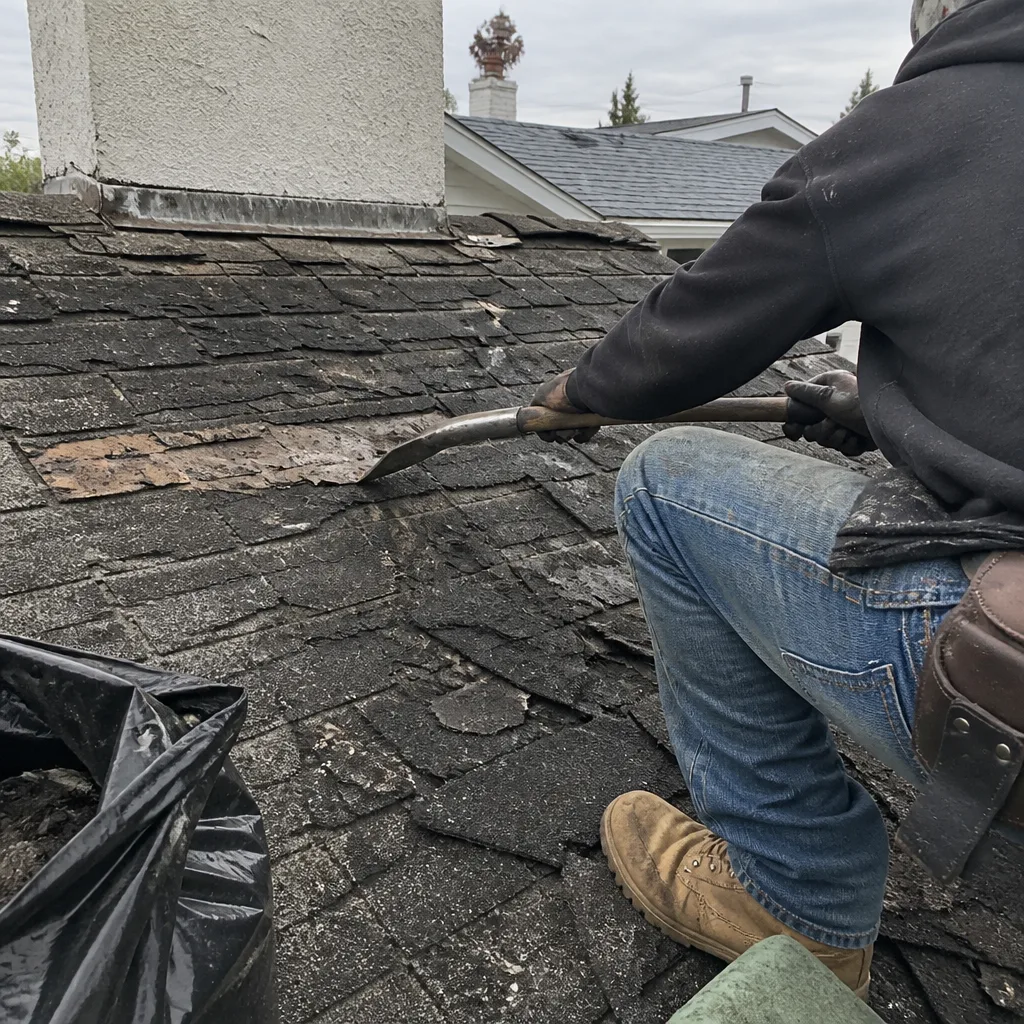 Before
 After
After Before
 After
After Before
 After
After