
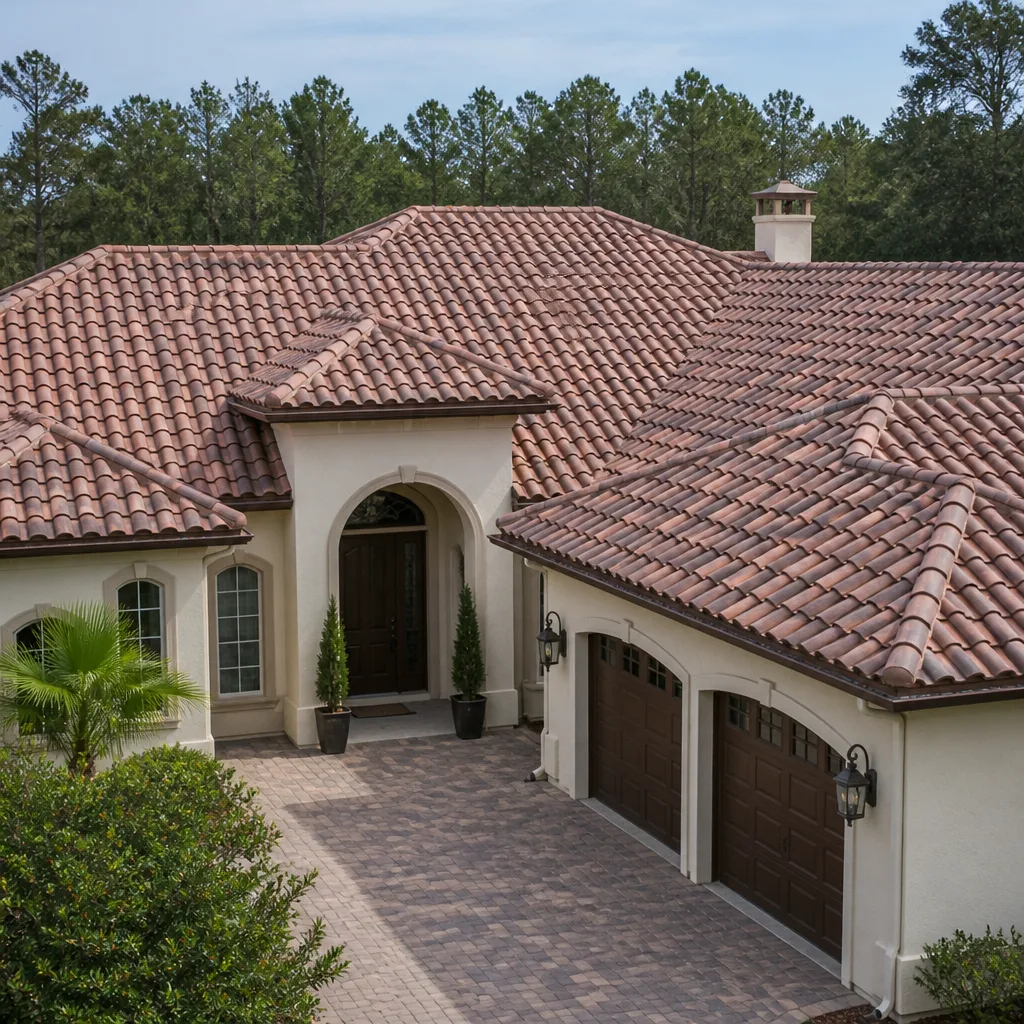
 Tile roofing
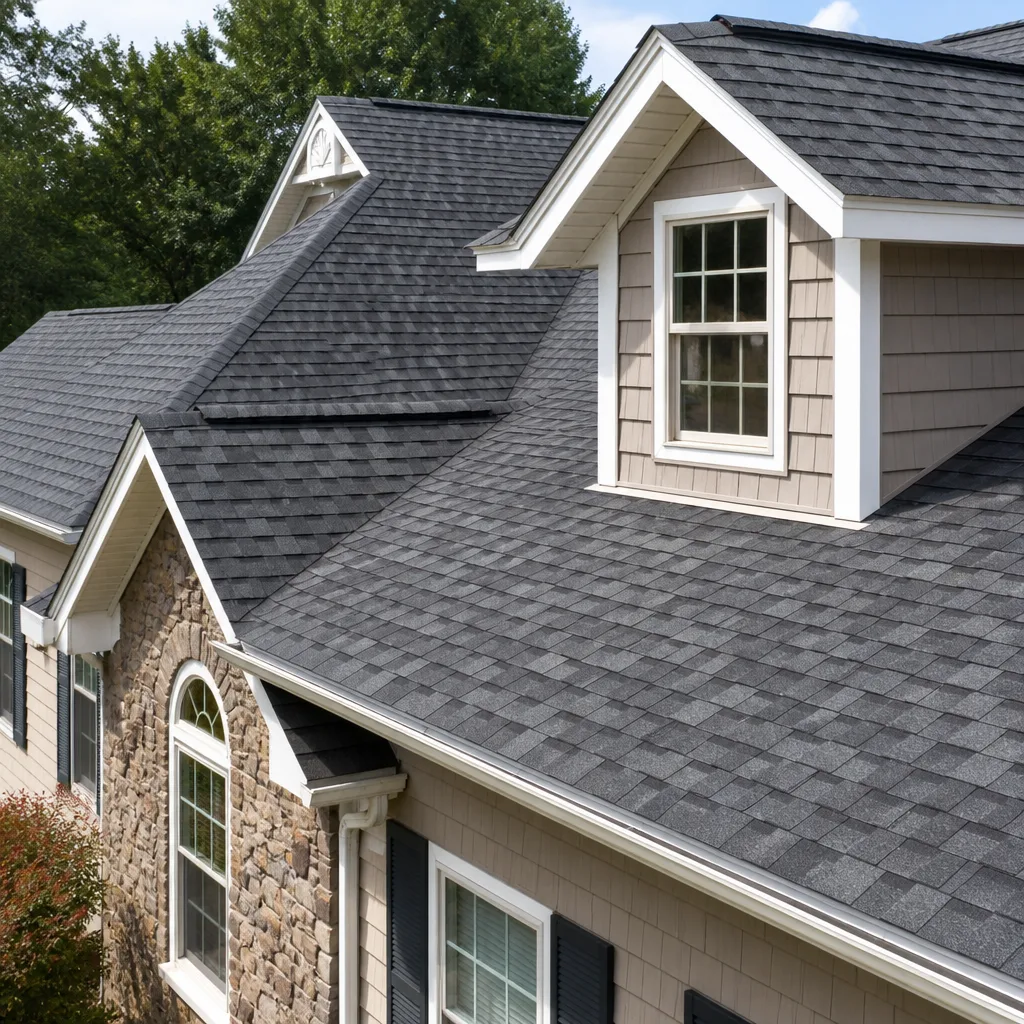 Architectural shingles
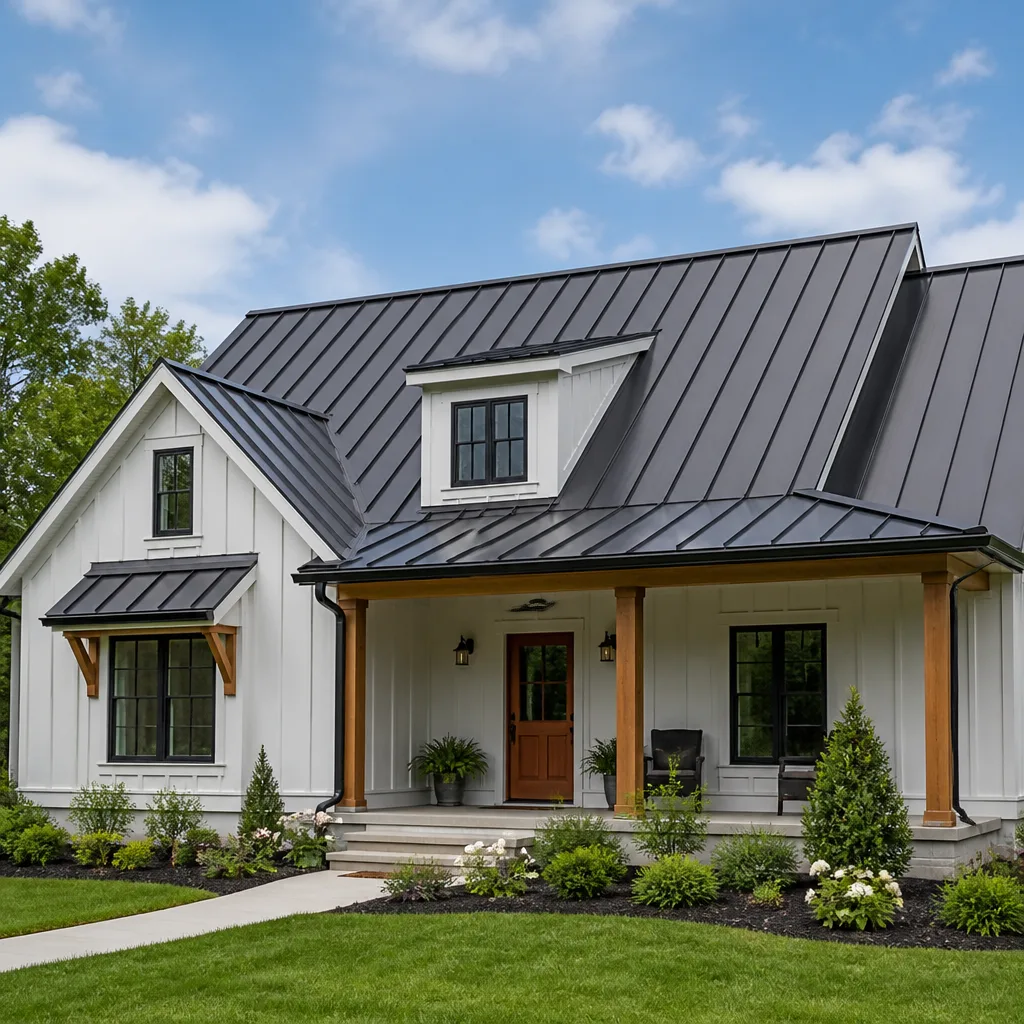 Metal roofing
 GAF
GAF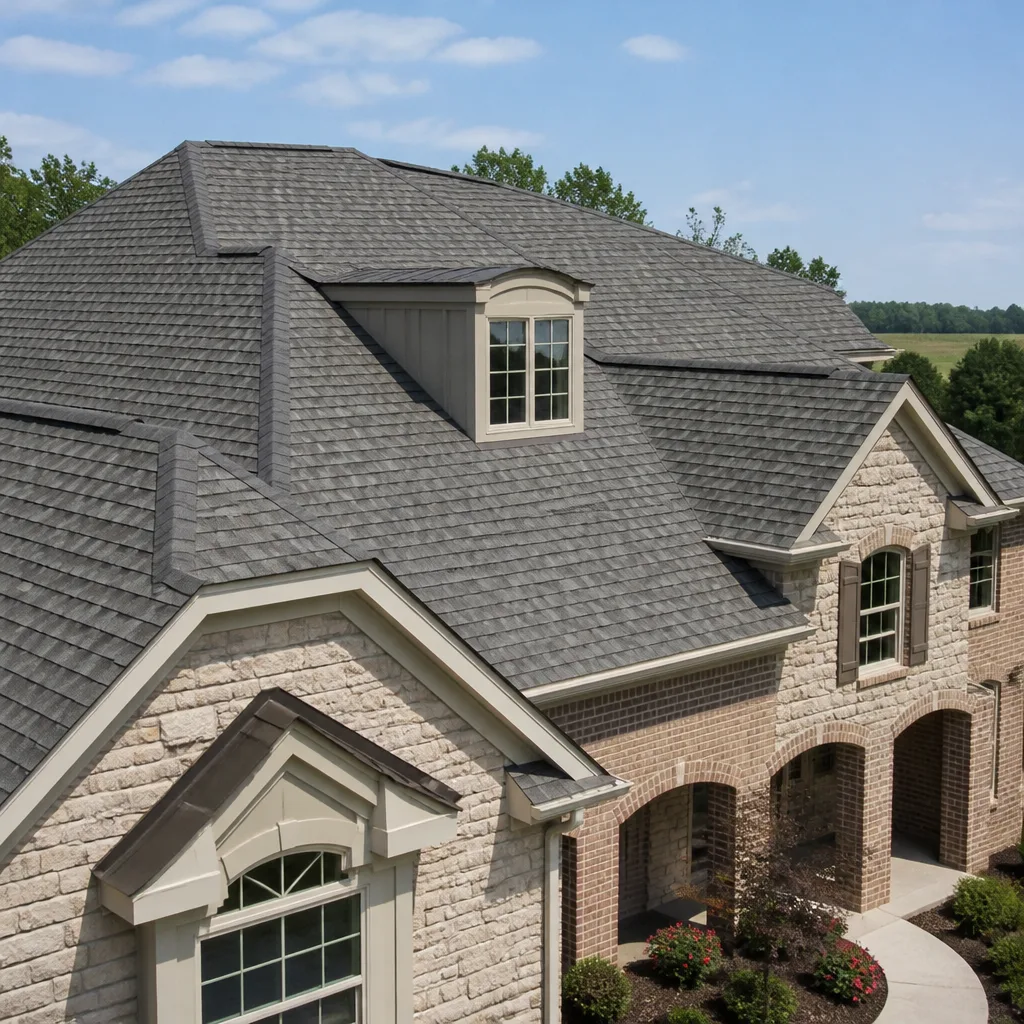 Owens Corning
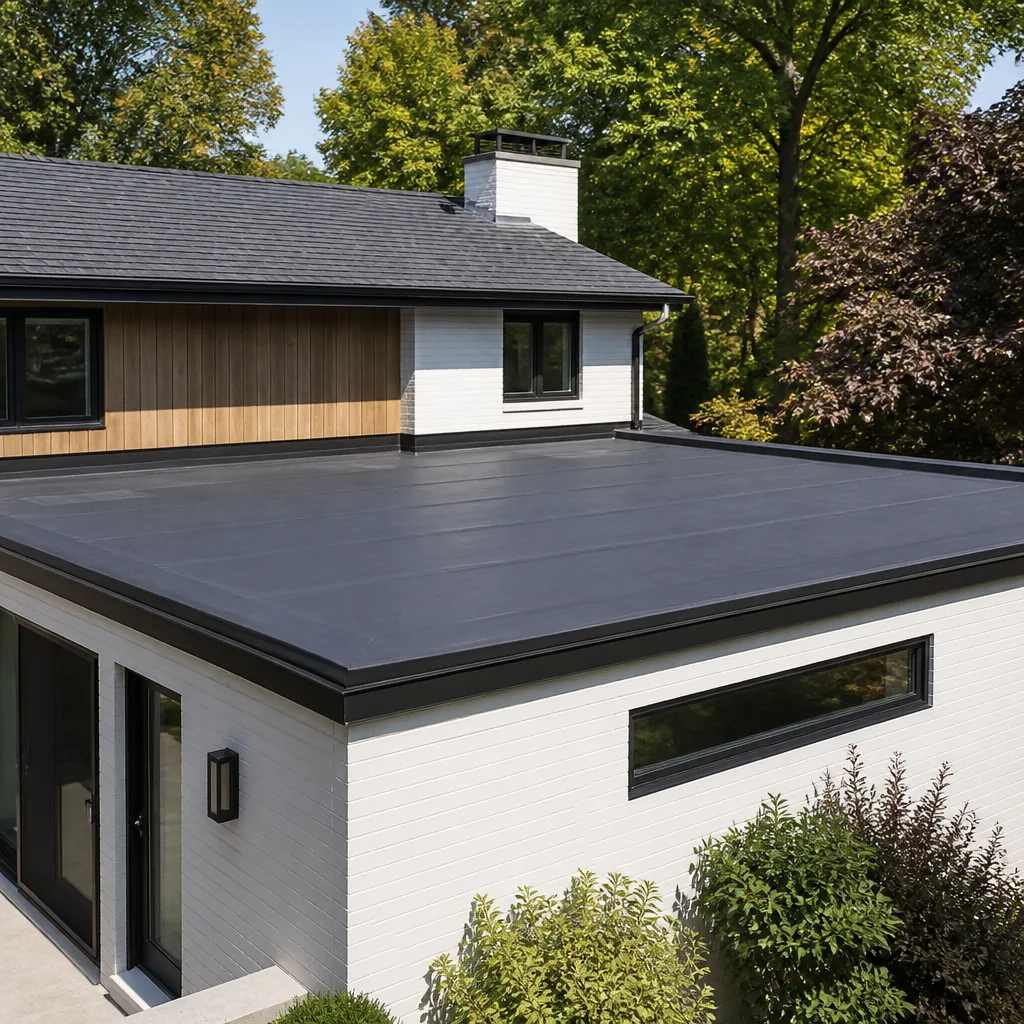 Flat & low-slope
Free roof inspection with deck photos before we talk money - GAF and Owens Corning certified installation
Styles & brands we work with
See the difference
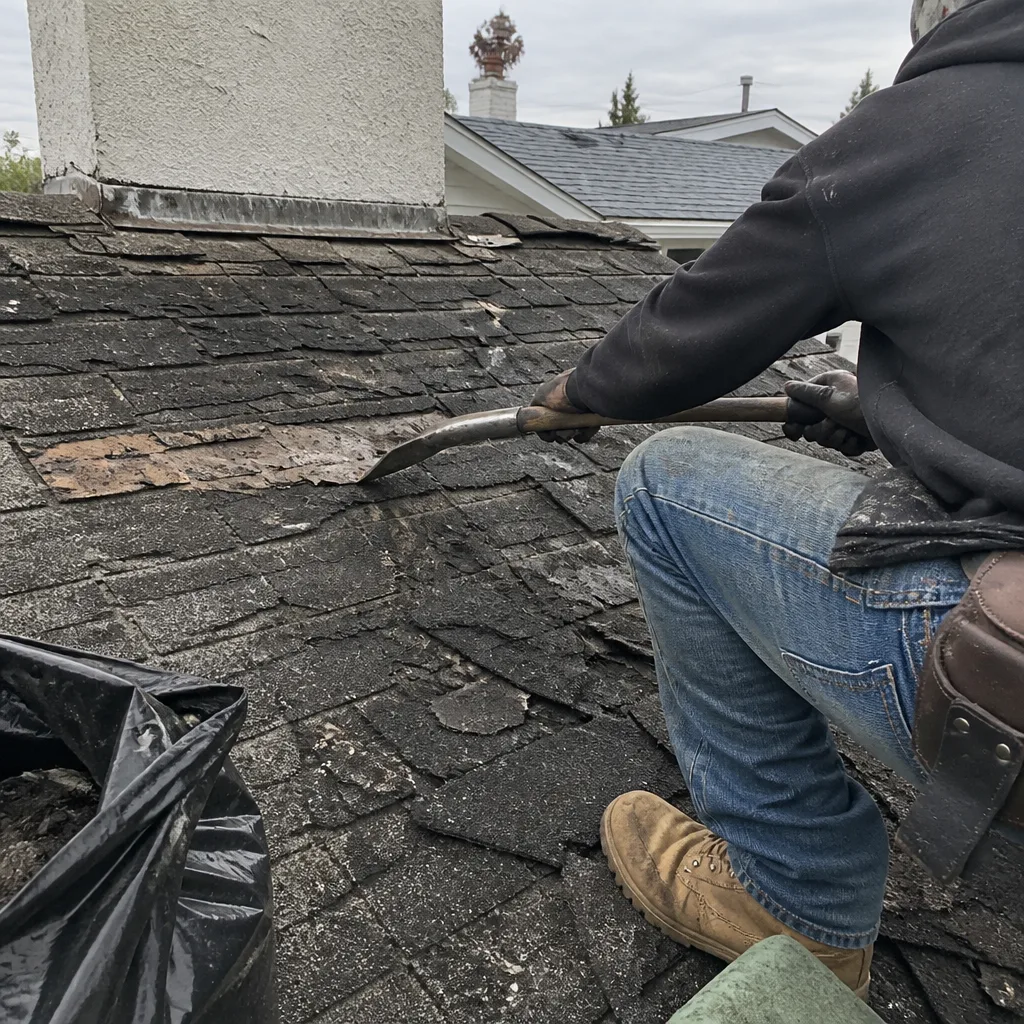 Before
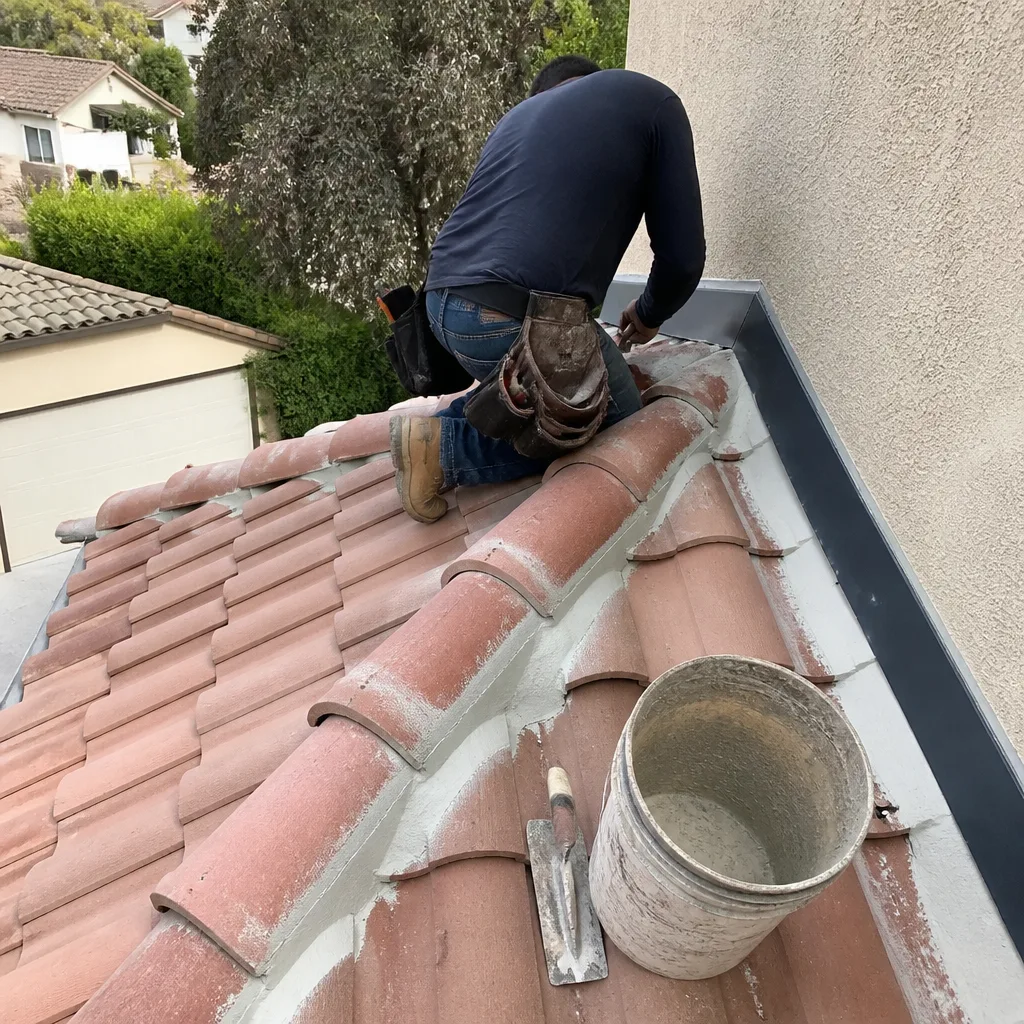 After
After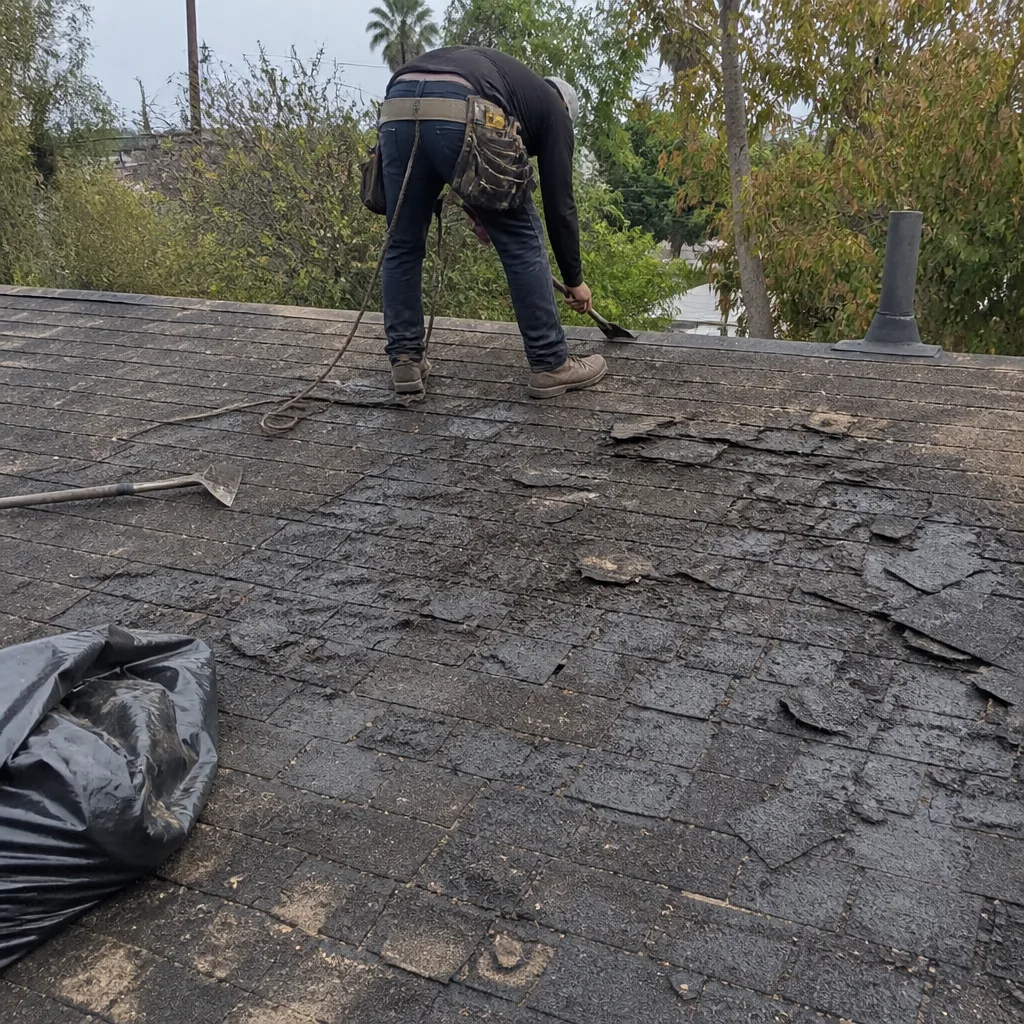 Before
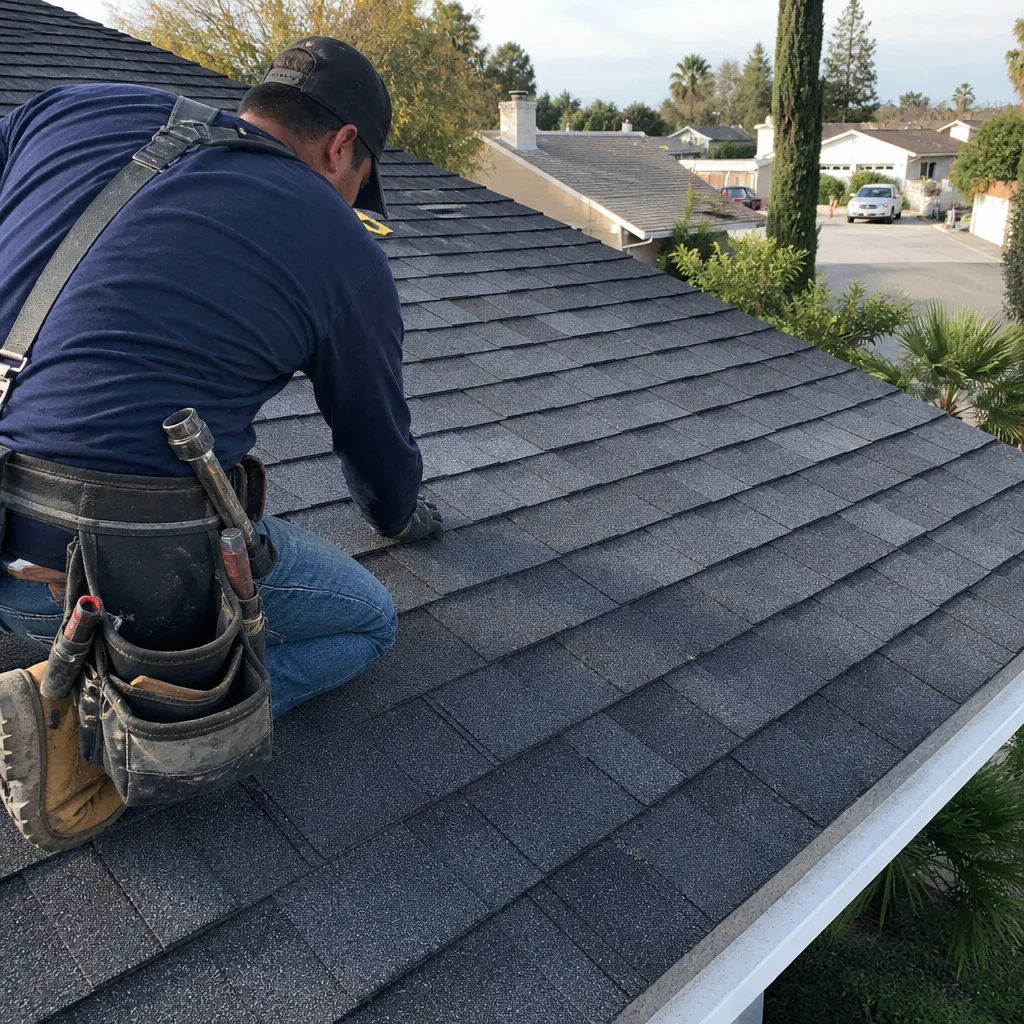 After
After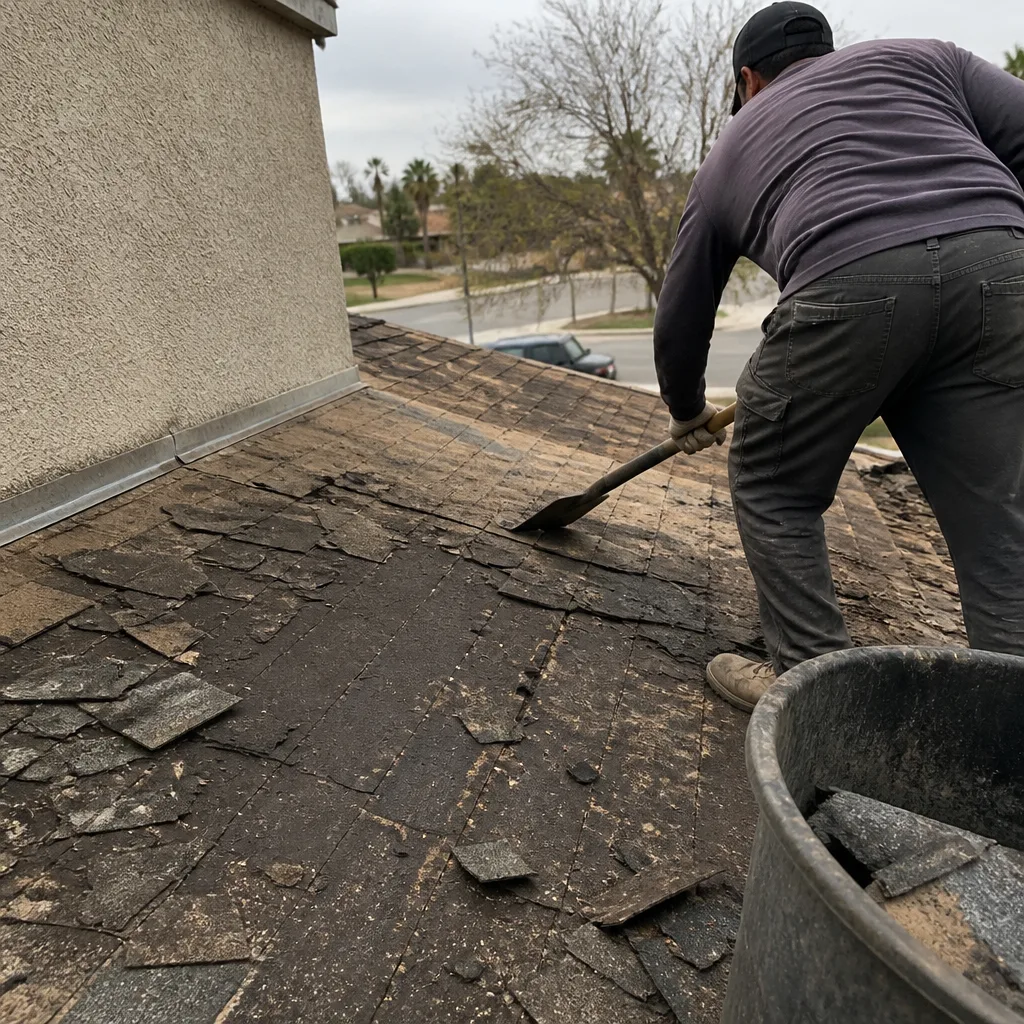 Before
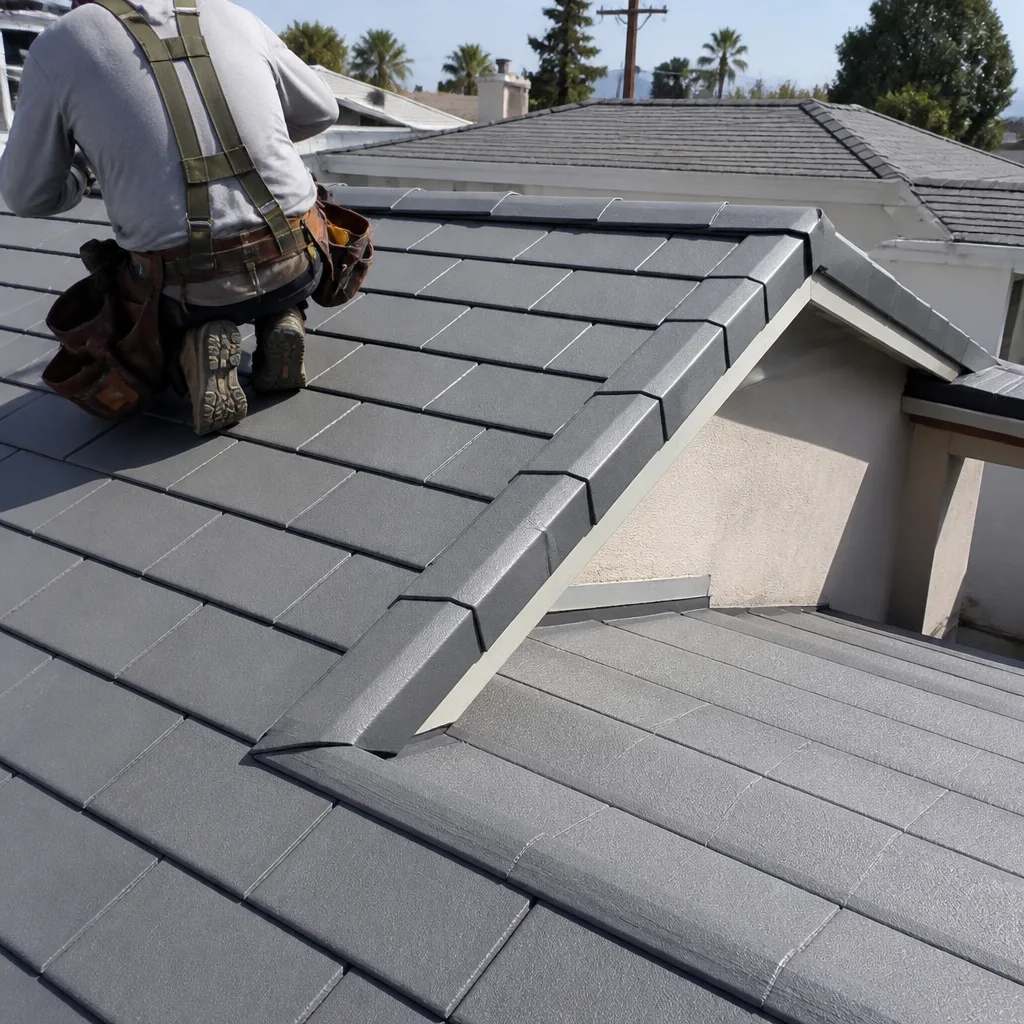 After
AfterValley Repair in Los Angeles, CA
Valley repair in Los Angeles means fixing the inner angles where two roof planes meet. These valleys catch more water than any other part of your roof, especially in neighborhoods like Sherman Oaks, Studio City, and Encino where mature trees drop debris that builds up right where water flows hardest. We’re Tilehurst Roofing Los Angeles, and our Roof Repair crews handle valley work year-round, with a written price in your hands before anything gets torn open.
Most valley failures show up as a slow drip in the ceiling or a damp patch in the attic after heavy rain. It’s rarely dramatic, but water sitting in a valley will find its way under shingles, into the underlayment, and eventually through the decking. By then the repair is no longer about replacing a few shingles. Greg Holloway, our owner, has spent years watching small valley leaks turn into thousand-dollar structural jobs because someone patched the surface instead of addressing the valley itself. If you see staining near any interior corner where two roof slopes come together, call us at (213) 674-2890 and we’ll walk you through what we’re looking for before we ever set foot on the ladder.
When You Need Valley Repair
Not every roof issue is a valley problem, but when a valley fails, it’s usually loud and clear. Here’s what we hear most often from homeowners across Los Angeles:
- Water stains on the ceiling below a roof corner. Every valley has a corresponding spot inside the house where water shows up first. If the stain is near an interior wall where two rooflines meet, that’s a valley candidate.
- Granules collecting in your gutters below a valley. Shingles in valleys wear faster because they take the full force of southern California’s winter rain. Granule loss is an early warning sign before the shingles actually split.
- Lifting or curling valley shingles. In the hot Los Angeles summers, valley shingles bake. If they start lifting at the edges, they’ll break under the next heavy rain. This is one of the most common valley issues we see in Van Nuys, Reseda, and North Hollywood.
- Debris wedged into the valley line. Los Angeles has nearly 700,000 street trees, and in neighborhoods like Granada Hills and Tarzana, valley troughs fill with leaves, pine needles, and the occasional palm frond. Debris dams water, and water under shingles is how valleys rot.
- Loose or missing metal flashing in the valley. Some Los Angeles roofs use metal valley flashing, and when it pulls away or rusts through, water stops being channeled and starts being absorbed. This is a straightforward fix if caught early, and a whole new valley if not.
- Recurring leaks after a previous repair. If someone patched a leak near a valley and it came back within a year, the valley itself was likely never addressed. Tilehurst returns at no charge inside the guarantee period if our repair fails, so a recurring leak is not something you live with.
Our Valley Repair Process
We start with the phone. When you call (213) 674-2890, a live person answers, day or night, and books a visit at a time that works for you. No voicemail, no callback queue, no waiting until Monday. After that, the work looks like this:
- We inspect the valley in question. Our technician walks the roof, examines the valley’s edges, and identifies whether the failure is in the surface layer, the underlayment, or the decking. We look at the neighboring slopes too, because a valley rarely fails in isolation.
- We show you what we’re seeing. Photos go on our tablet and we walk you through them right at the kitchen table. You’ll know the difference between a valley that needs shingle replacement and a valley that needs the entire channel rebuilt.
- We write the price before any work begins. The estimate is in your hands, in writing, with the scope of work spelled out line by line. That price doesn’t change at the door later. If we find more damage during the repair, we talk to you before we touch it. Always.
- We remove the failed materials and rebuild the valley. That means new underlayment, new flashing if the valley calls for it, and fresh shingles cut to fit the valley line. We use products from manufacturers like GAF and CertainTeed, so you’re getting a material with a real warranty behind it, not whatever happened to be in the truck.
- We test the valley before we leave. Water flows the way water flows. We run a targeted water test on the repaired valley, and if it holds under direct flow, it’ll hold under rain.
- You get a written guarantee before the crew leaves. Not mailed later, not promised over the phone. It’s in your hand before we drive away. Under the 365-Day Done Right Promise, if that valley repair fails inside a full year, we return and make it right at no charge.
Valley Repair Pricing in Los Angeles
Here’s what you should expect to pay for valley repair work in Los Angeles. These are real ranges based on the work we do week in and week out:
| Repair Type | Typical Cost Range | What’s Included |
|---|---|---|
| Minor valley repair (patch shingles, reseal flashing) | $350 – $700 | Small area rebuild, new sealant, basic flashing check |
| Standard valley rebuild (one valley, new underlayment and shingles) | $800 – $1,800 | Full valley tear-out and replacement, new flashing |
| Decking repair beneath a valley | $400 – $1,200 additional | Rotted wood replacement, structural reinforcement |
| Full valley replacement with metal flashing | $1,500 – $3,200 | Complete metal valley install, premium underlayment |
What affects the price:
- Roof pitch. Many Los Angeles homes in the hills, like those in Bel Air, Brentwood, or the Hollywood Hills, have steeper slopes than valley-floor homes in the San Fernando Valley. Steeper roofs mean more safety equipment, slower work, and a higher labor cost.
- Valley length. A valley on a long ranch home is not the same as a valley on a compact bungalow. Longer valleys require more material and more time.
- Decking condition. If water has been getting into the valley for months, the plywood underneath may need to come out. In Los Angeles, where we get almost all of our rain between November and March, a small leak that seemed harmless in dry season can have months to rot the decking. We won’t know until we open the valley up, which is why every written estimate includes a “no surprises” process: if we find additional damage, we stop and talk to you first.
- Material choice. We work with seven major manufacturers, including GAF, CertainTeed, Atlas, and Tamko. If you want a specific shingle manufacturer to match the rest of your roof, the price adjusts accordingly. You choose the material. We don’t choose for you.
Every estimate is free. We come out, inspect the valley, and you’ll have written pricing in hand before you spend anything. Call (213) 674-2890 to set it up.
Why Valleys Matter More in Los Angeles Than People Expect
Los Angeles gets an average of 14.25 inches of rain per year. Most of that falls in a handful of intense storms. A valley that channels water poorly during a light drizzle is an inconvenience. During an atmospheric river, that same valley can move thousands of gallons of water in a single afternoon. When the valley fails, all that water has one job: find the weakest point in your roof and go through it.
We see this pattern every winter across the Los Angeles basin. Homes in Woodland Hills and Canoga Park take the brunt of the storm track coming in off the Pacific, while homes in the flatlands get heavier runoff concentration on roof intersections. Either way, the valley is the bottleneck. If it can’t move water, the water moves into the house.
And there’s the sun. Los Angeles sees around 284 days of sunshine a year. That sunlight, combined with the dry heat, bakes the asphalt in shingles until it becomes brittle. Valley shingles, because they sit in a channel and take direct sun, break down faster than any other shingles on the roof. A roof on a home in Northridge may still have serviceable shingles on the field, while the valleys have already failed. Valley repair is not a sign that your whole roof is shot. It’s a targeted repair that extends the life of the rest of the roof.
Homeowners sometimes ask us why a previous roofer didn’t catch a struggling valley. The honest answer is that valleys are overlooked because they’re narrow, often shaded by eaves, and hard to see from the ground. A quick roof inspection that doesn’t involve walking the full valley line will miss the early warning signs. We don’t do quick roof inspections. We walk the valley, we look at the flashing, we check the granule wear, and we tell you what’s actually holding and what’s about to go.
What Makes Our Valley Repair Different
Tilehurst Roofing Los Angeles is part of the Kingswell family of roofing companies, founded in 2000. Every location operates under the Kingswell Guarantee, which means a written price before any work starts and a written guarantee on every repair. There’s no ambiguity, no handshake deal, no “trust me.” The Kingswell Way is five things: say the price before the work, show up in the window we gave, leave the place cleaner than we found it, put the guarantee in writing, and come back if it fails.
That last part matters for valley work specifically, because valleys don’t always reveal their full extent of damage until they’re opened up. If we replace a valley and it fails inside the 365-day window, we return at no charge. That’s not a premium policy. It’s the baseline for every repair we do.
We also send background-checked, uniformed technicians on every job. You’ll know who is on your roof, what they’re doing, and what they found when they finished. If you’re home during the repair, we’ll show you the before and after. If you’re not home, we’ll send photos to your phone.
And when you call during a rainstorm at 2 a.m. because water is coming through the ceiling, a live person answers. That’s not a call center in another state. It’s someone from our team who can talk to you about what to do in that moment and schedule an immediate inspection. Los Angeles has serious storms and a habit of washing out weak spots all at once. You don’t want to leave a message when water is pouring in.
Material Options for Valley Repair
When we rebuild a valley, you have choices. We work with seven major manufacturers: GAF, CertainTeed, Owens Corning, IKO, Atlas, Tamko, and Boral. For valley work specifically, we commonly use GAF shingles because the Timberline line holds up well under repeated wet-dry cycles. Atlas and Tamko are also solid choices, and both carry strong warranties. Some homeowners prefer a specific brand because it’s what the original roofer used, and we’ll match it wherever possible.
Beyond shingle choice, valley repair involves deciding between an open valley, where metal flashing is visible and channels water, or a closed valley, where shingles weave across the intersection. For homes with flat roof patch needs nearby, we coordinate both repairs to ensure proper drainage at every transition. In Los Angeles, both are common. Open valleys last longer and perform better in heavy rain, but some homeowners don’t like the look. Closed valleys look cleaner but require more precision to avoid leaks. We’ll show you both options and let you decide. The written estimate reflects whichever you choose.
The key is that material choice is yours. We never walk up with one brand in the truck and call it “what we use.” You choose from real options, with real prices, before we nail anything down.
FAQs – Valley Repair
How long does valley repair take?
Most single-valley repairs in Los Angeles are completed in one day. A standard valley rebuild takes 4 to 8 hours depending on length, pitch, and whether the decking needs work. If a second valley is involved or we need to replace decking, it can stretch to two days. We’ll tell you the timeline in writing before work starts.
Is it cheaper to repair a valley or replace the whole roof?
Valley repair is dramatically cheaper than a full roof replacement. If your shingles in the field still have life left, repairing one or two valleys costs anywhere from $800 to $1,800 in most Los Angeles homes, while a full roof replacement typically runs $12,000 to $25,000 or more. We’ll never push a full replacement if your valleys are the only problem. That’s not how we work. Call (213) 674-2890 and we’ll give you an honest read.
Can you fix a valley leak the same day?
In most cases, yes. If water is actively coming in, we treat it as an emergency and get a technician to your home the same day. We may do a temporary water barrier to stop the leak immediately, then return for the full repair once the roof is dry enough to work safely. Same-day service in Los Angeles is absolutely possible, and the fastest way to get it started is to call (213) 674-2890 now.
What kind of guarantee comes with valley repair?
Every valley repair from Tilehurst Roofing Los Angeles comes with a written guarantee. If the repair fails inside the guarantee period, we return and fix it at no charge under the 365-Day Done Right Promise. The guarantee is in your hand before the crew leaves, not mailed later. That’s how the Kingswell family of companies has worked since 2000.
Key Takeaways
- Valley repair in Los Angeles typically runs $350 – $3,200 depending on the extent of the damage.
- Most single-valley repairs are completed in one day by our uniformed, background-checked technicians.
- Every job comes with a written price before work starts and a written guarantee when the work is done.
- The 365-Day Done Right Promise means we return at no charge if the repair fails within a year.
- We work with seven major manufacturers, including GAF, Atlas, and Tamko, so material choice is yours.
- A live person answers at (213) 674-2890 around the clock, every day of the year.
Get Your Valley Repaired by a Team That Stands Behind It
If you’ve got water coming in near a roof valley, or you’ve seen staining, lifted shingles, or granule buildup, don’t wait for the next storm to find out how bad it is. We’ll inspect the valley, give you a written estimate, and if you choose to move forward, we’ll have it repaired quickly and covered in writing.
You’ve probably been through this before with a contractor who didn’t show up, changed the price, or did a repair that failed in months. That’s exactly why Tilehurst Roofing Los Angeles exists. We answer the phone, we show up in the window we gave, we put the price in your hand first, and we stand behind every valley repair with the Kingswell Guarantee.
Call us at (213) 674-2890 for a free estimate. No pressure, no vague promises. Just a clear, written price and a valley that finally does its job.
Written by Greg Holloway, Owner at Tilehurst Roofing Los Angeles, serving Los Angeles.