
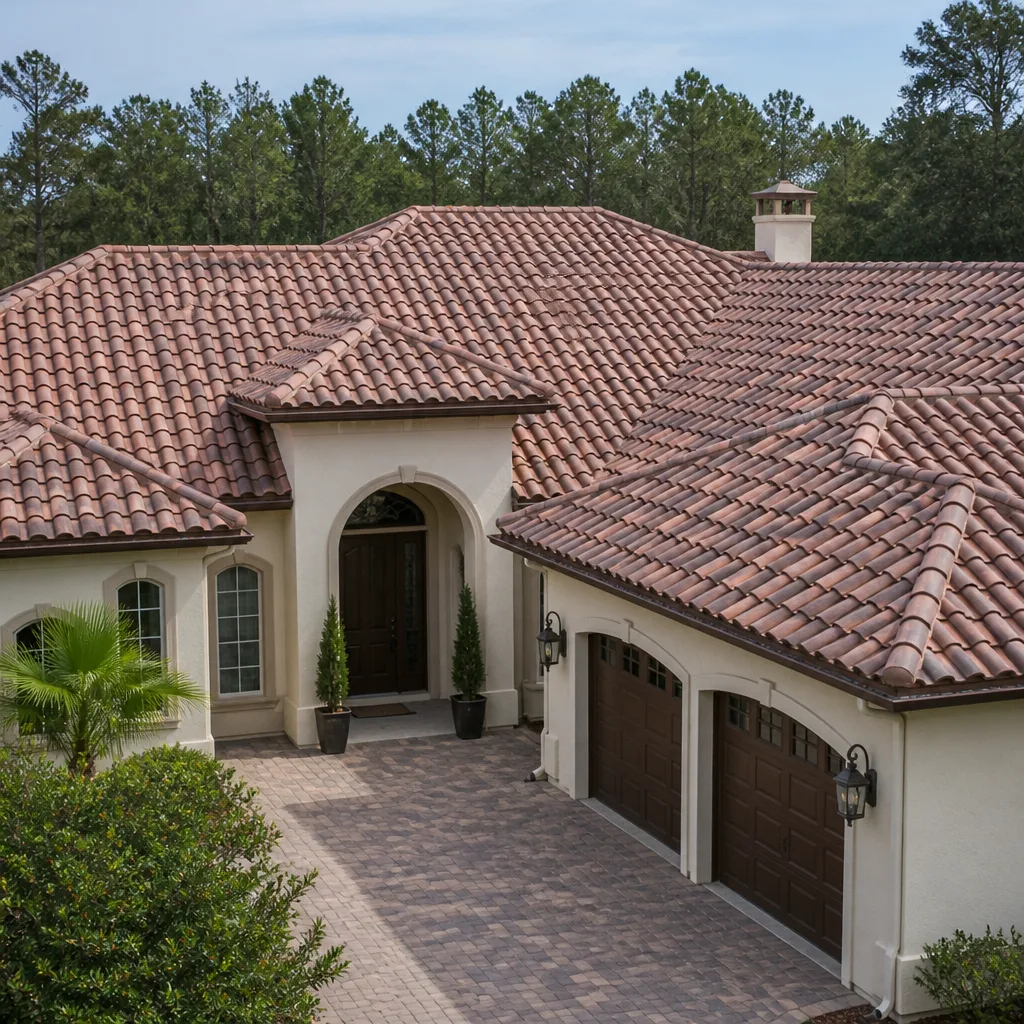
 Tile roofing
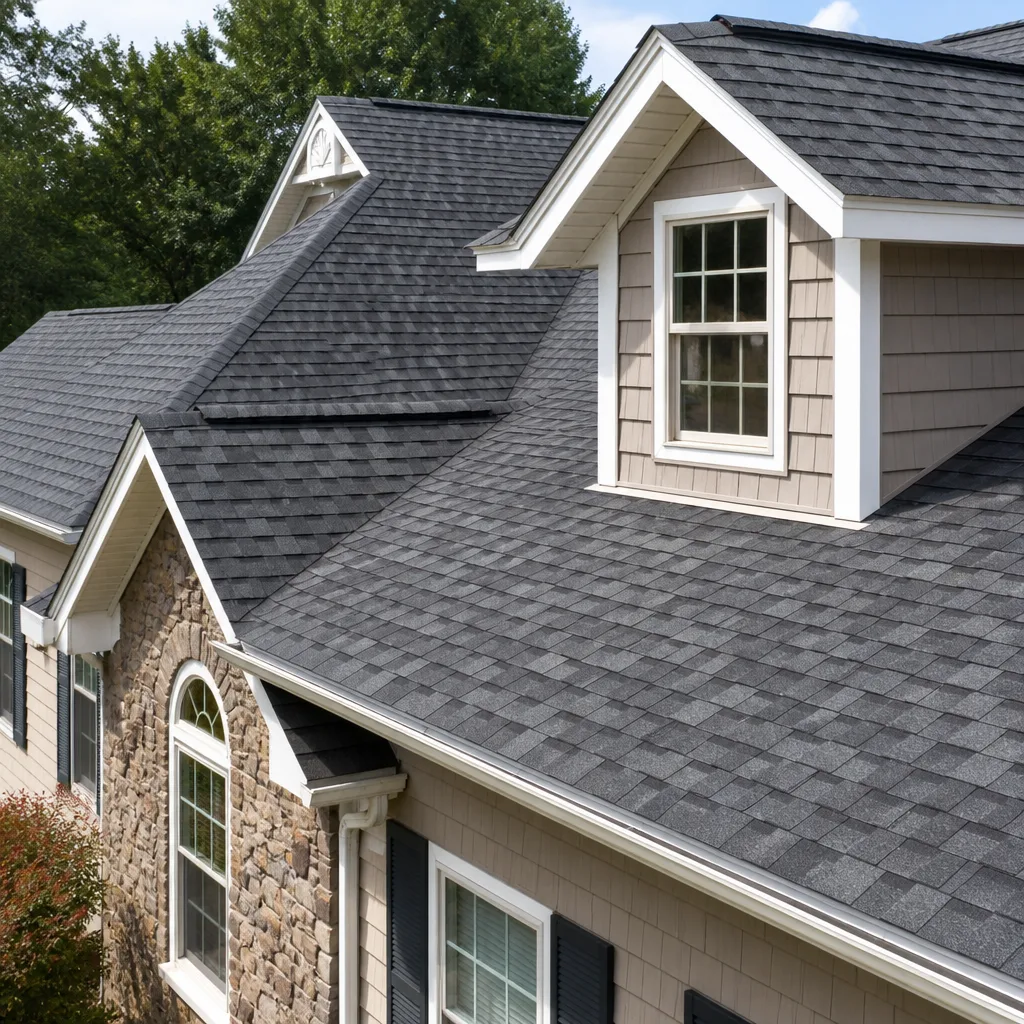 Architectural shingles
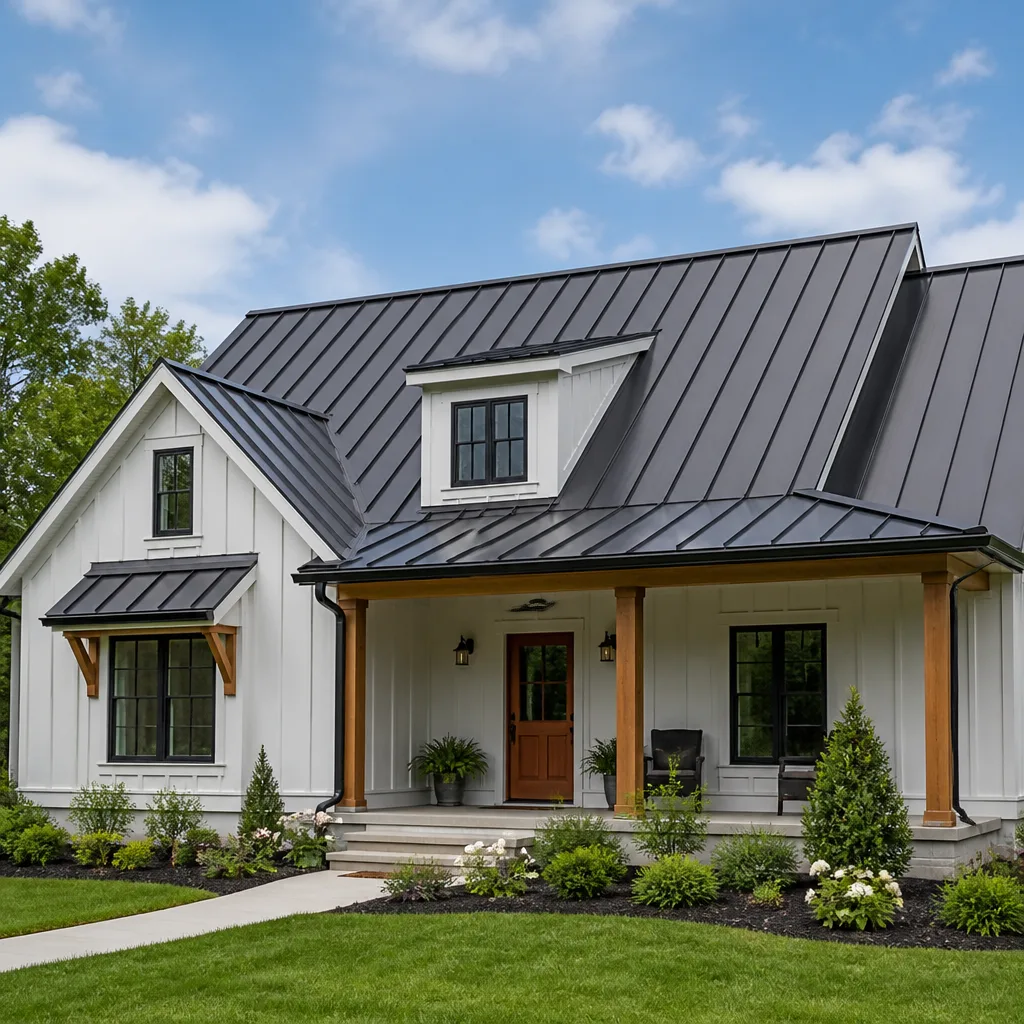 Metal roofing
 GAF
GAF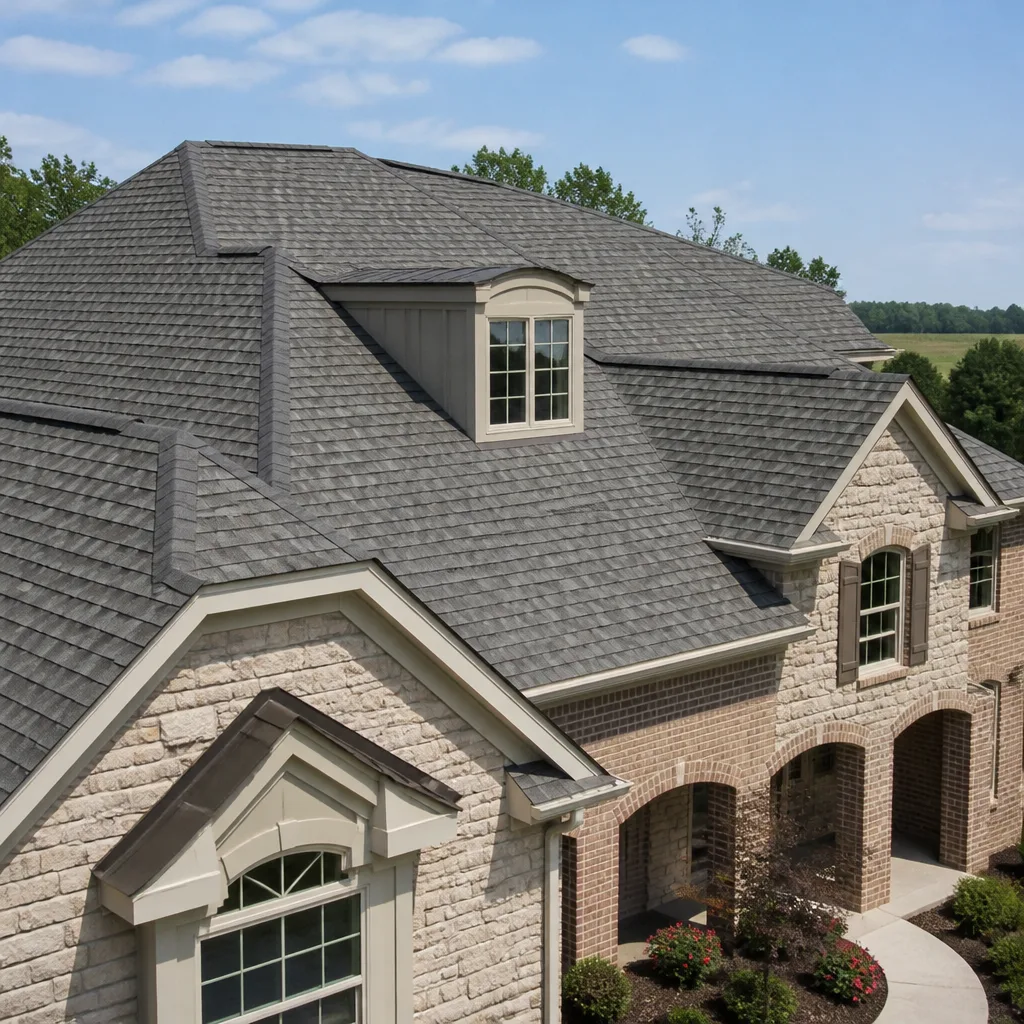 Owens Corning
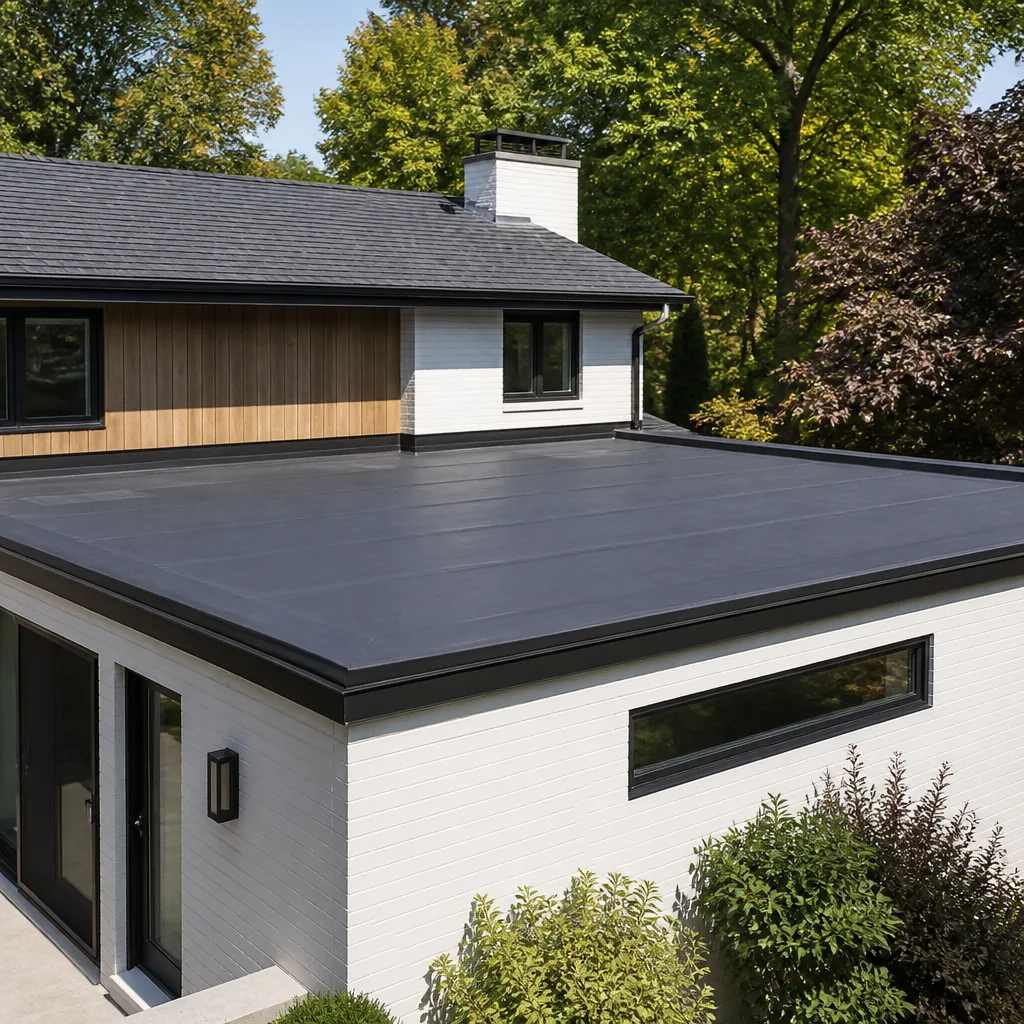 Flat & low-slope
Free roof inspection with deck photos before we talk money - GAF and Owens Corning certified installation
GAF Flashing Replacement: The Los Angeles Owner’s Guide
We stock and install GAF-compatible flashing replacement across Los Angeles, and most jobs run $380 to $740 fully installed, including materials, labor, and a written guarantee. We carry GAF-spec flashing on our trucks for common profiles, so we can usually complete the swap in a single visit. Most homeowners discover the problem the hard way: a brown watermark on the ceiling after the first real rain in November, or a damp patch in the attic that smells like wet plywood. Flashing fails quietly for years before it announces itself.
Here’s the thing about flashing in Los Angeles: we don’t get Michigan winters, but we get something just as rough on metal. UV exposure does not let up, and the thermal swing between a 95-degree August afternoon and a 55-degree December night slowly works the metal until it cracks at the bend points. Add the marine layer near the coast and you get corrosion that surprises people who thought rust was a coastal back-east problem. Greg Holloway has been pulling failed flashing off LA roofs for over a decade, and he’ll tell you: the failure is almost never the shingle. It’s the metal that was supposed to protect the joint.
We’re an independent roofing contractor. We install GAF-spec flashing and respect the GAF system, but we’re not affiliated with GAF, and we don’t pretend to be. What we are is a company that will tell you the price before we touch the roof. That’s the only way we know how to start.
Which GAF Models This Applies To
GAF flashing is not a one-size-fits-all part. The Timberline HDZ and Timberline UHDZ lines use a standard 4-inch by 5-inch step flashing profile with a 10-inch by 10-inch base flashing at the larger transitions. The GAF Lifetime and Royal Sovereign lines use the same profile but with a thinner-gauge metal, which is why we see more replacements on those installations after 15-plus years of LA sun. If you have a GAF Slateline or Camelot installation, the flashing is a heavier-gauge aluminum or galvanized steel, shaped to match the shadow-line profile, and that’s where homeowners get into trouble buying generic material off a shelf that doesn’t seat correctly.
If you’re trying to identify what you have: look for the GAF shingle wrapper left in the garage or attic, check the permit paperwork from your installation, or measure the exposed step flashing face. Four inches is the GAF standard. If it’s five inches or three inches, you likely have a competitor’s product or a custom bend, and we’ll need to match it on site. For OEM versus aftermarket: GAF-spec flashing is worth it on any home under 15 years old because it matches the system warranty documentation. On older homes, a quality aftermarket profile in the same gauge does the same weather work, and we’ll tell you that honestly and price it accordingly.
Styles & brands we work with
Signs Your GAF Flashing Replacement Is Failing
- Water staining on interior ceilings near chimneys, skylights, or wall-roof intersections. This is the most common failure point. Flashing at penetrations takes the most movement, and once the sealant bead cracks, water follows the channel down. The stain usually appears 6 to 18 inches away from the actual leak.
- Lifted or curling flashing at the drip edge. The metal is losing its mechanical grip as the decking expands and contracts. What starts as a 1/8-inch lift becomes a wind catch, and a Santa Ana gust can peel it back in one event.
- White chalky residue or rust bloom on the metal surfaces. That’s galvanic corrosion, and it’s faster in Los Angeles than people expect thanks to the marine layer and the existing oxidation on older materials. Once the zinc layer is gone, the steel underneath has maybe two to three years before it perforates.
- Granules from the shingles collecting in the gutter near the flashing. The flashing isn’t just protecting the joint, it’s protecting the shingle edge. When the metal shifts or fails, the shingle edge degrades faster, and the gutter tells that story in the spring.
- Visible daylight through the roof deck when you’re in the attic. That’s the endgame. By the time you can see sky from inside, the flashing has fully parted from the joint and you’ve had water running through for at least one wet season. Left alone, you go from a flashing replacement to a decking replacement to a mold issue in a single winter.
See the difference
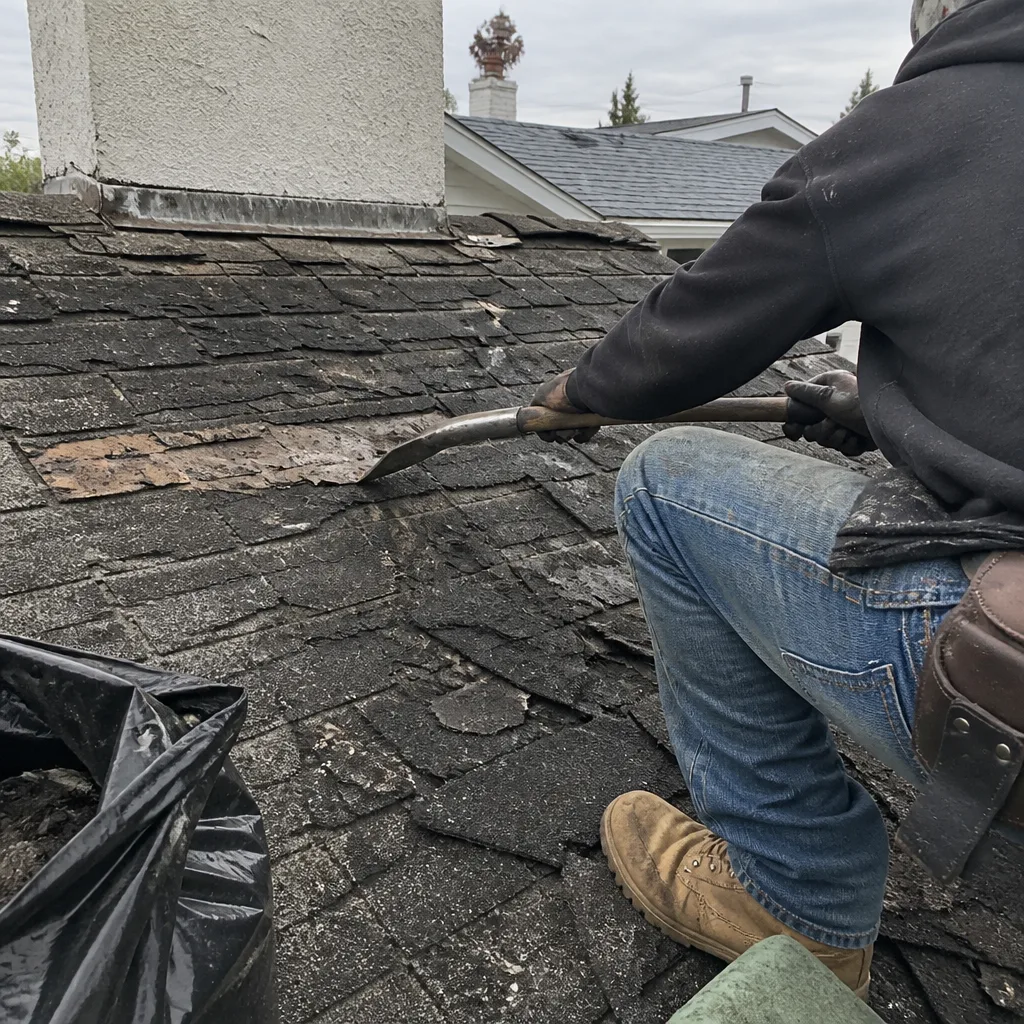 Before
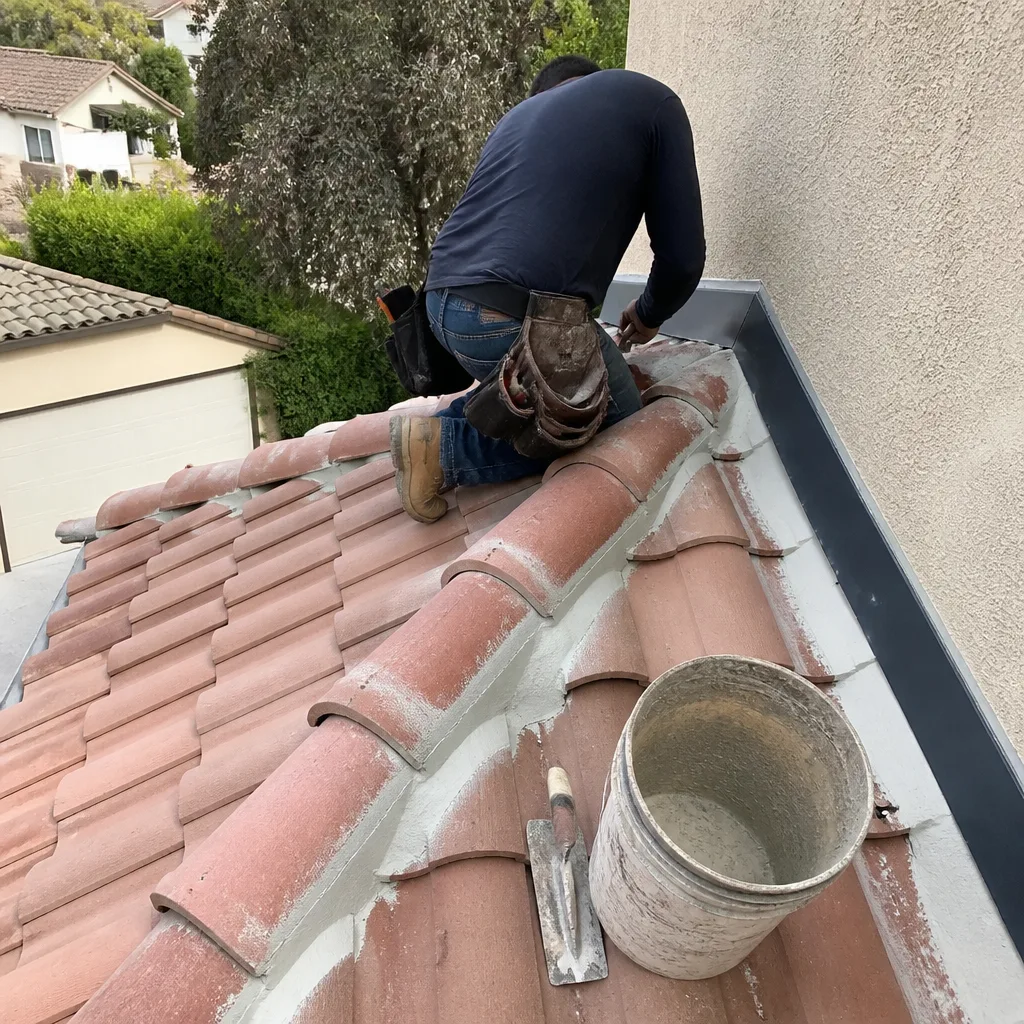 After
After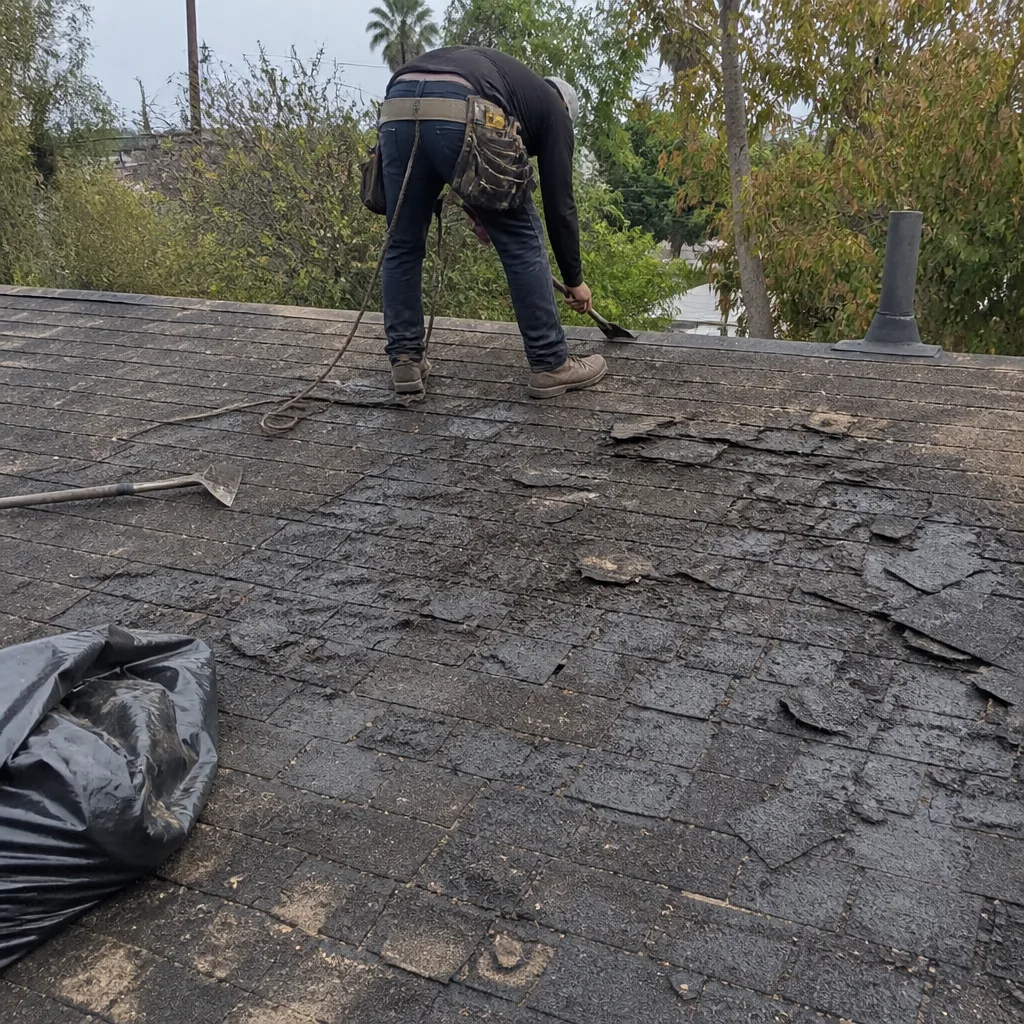 Before
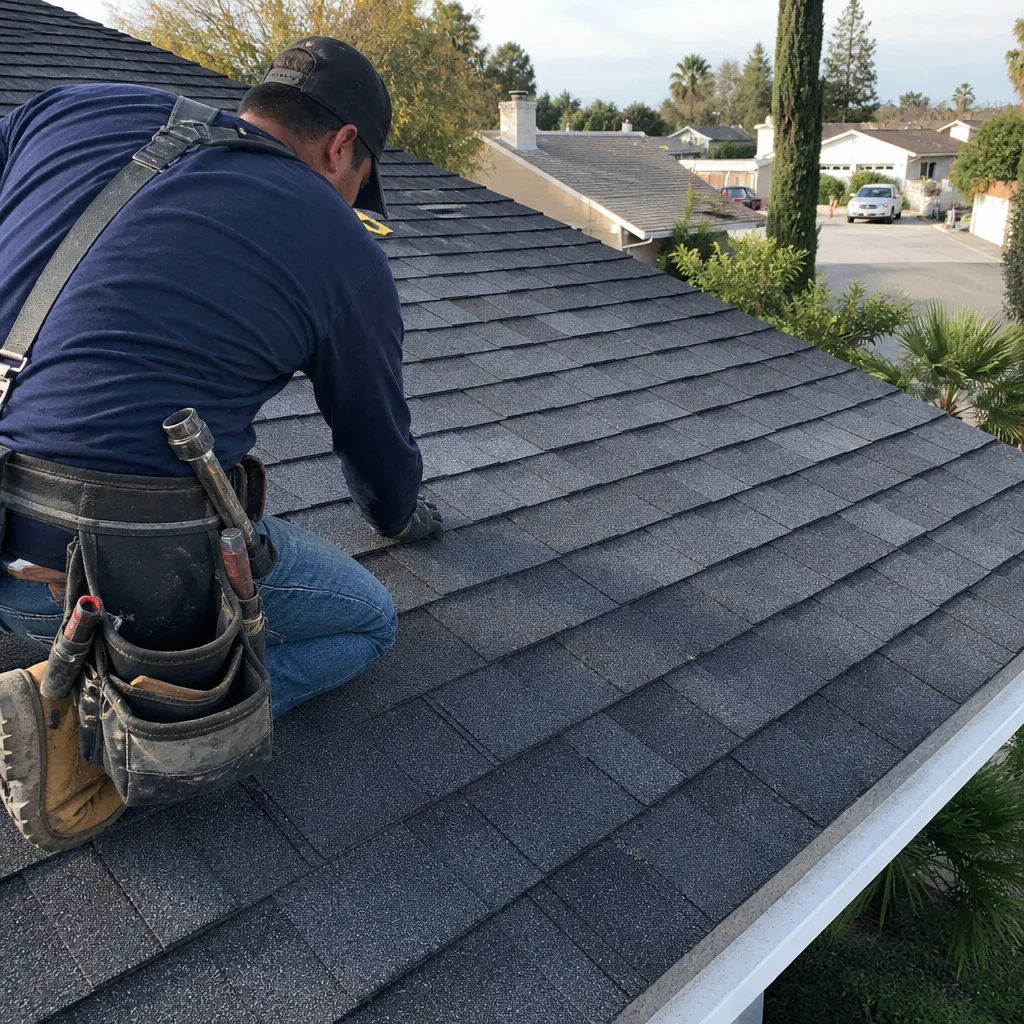 After
After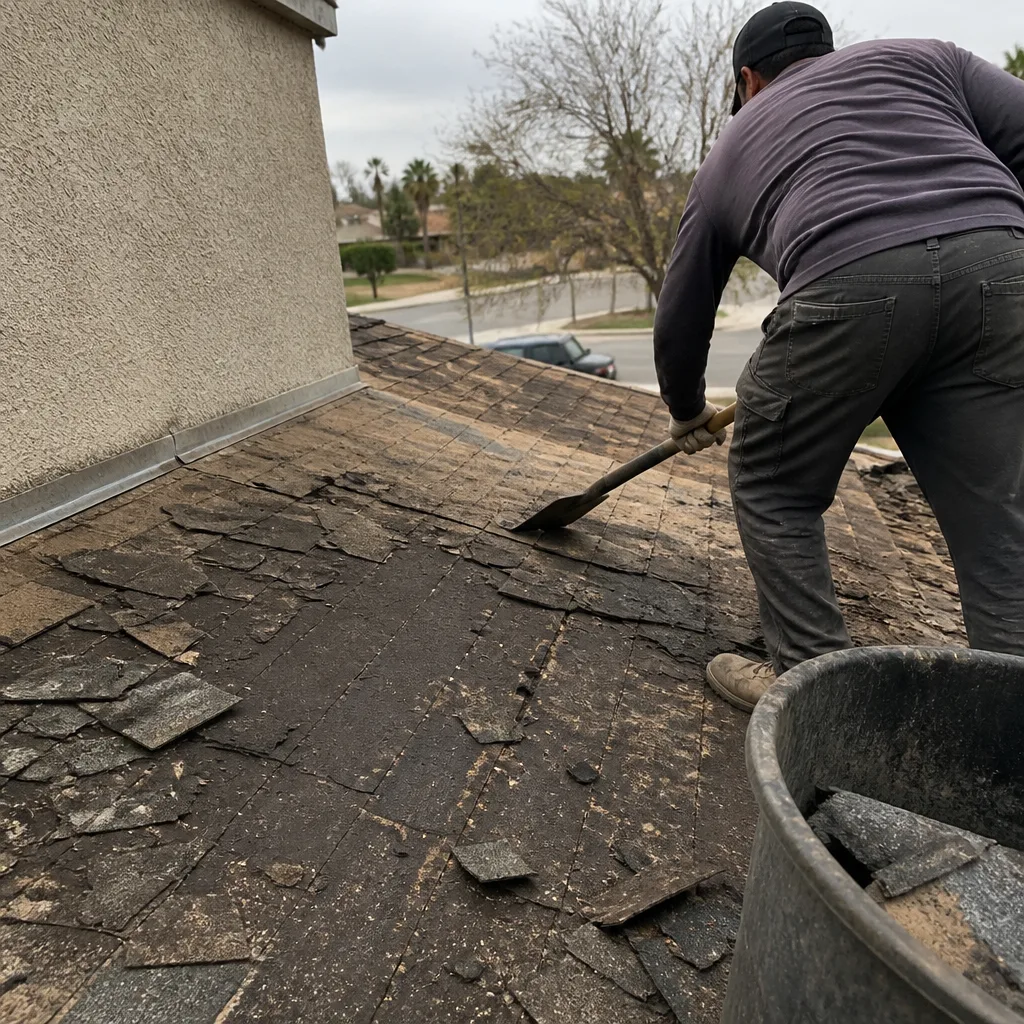 Before
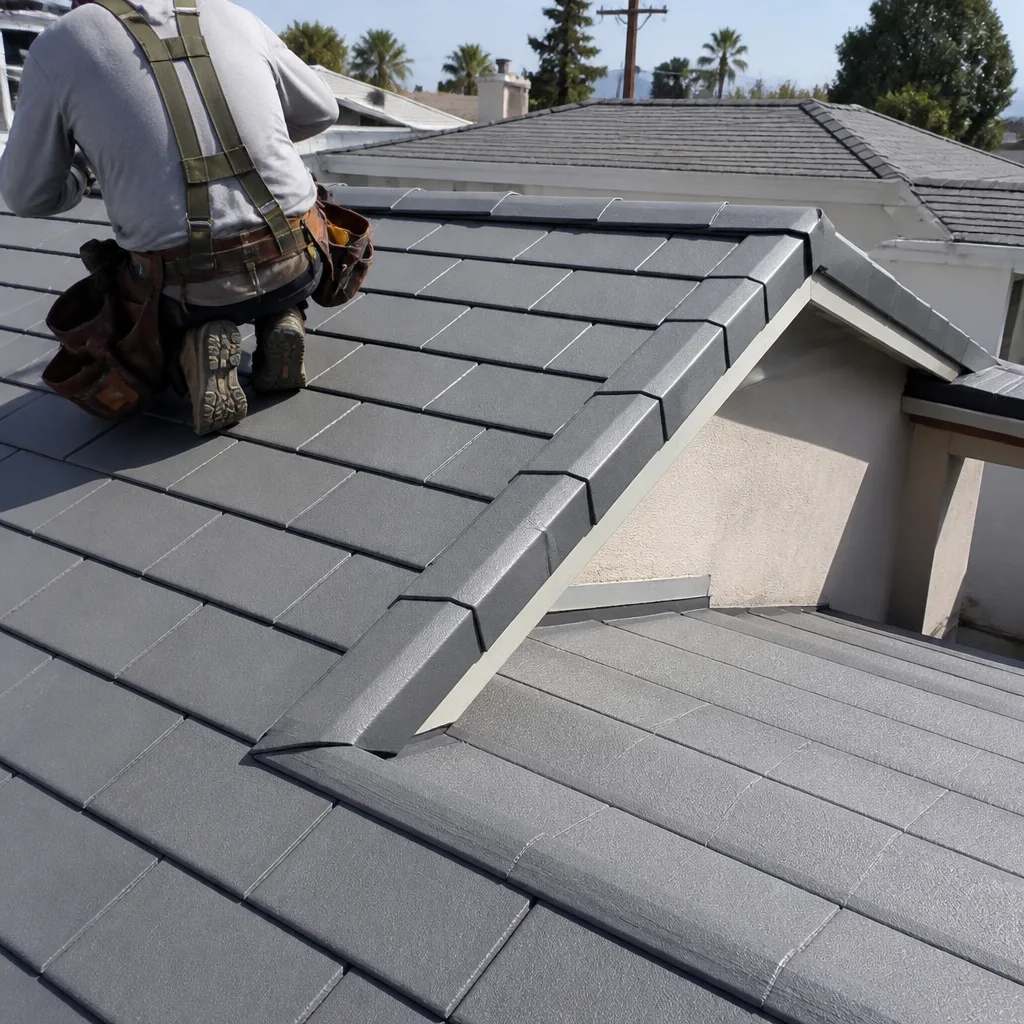 After
AfterReplacement Cost & What’s Included
For a typical single-penetration flashing replacement in Los Angeles, material and labor run $380 to $740. That covers the chimney flashing or wall step flashing, the peel-and-stick underlayment patch beneath it, sealant, and our written guarantee. If we’re replacing step flashing along a full wall line, that’s usually $900 to $1,500 depending on the linear footage and whether we need to lift shingles back. Steep pitch homes in Mount Washington or Echo Park run higher because of the roof access equipment, and so do homes where someone already attempted a repair and we have to undo bad work first.
| Flashing Job | Typical LA Price Range |
|---|---|
| Single chimney flashing replacement | $380 – $740 |
| Wall step flashing (per 10 linear feet) | $300 – $550 |
| Skylight flashing re-seat & seal | $320 – $600 |
| Drip edge replacement (per 20 linear feet) | $250 – $450 |
| Full roof perimeter flashing (average 2,000 sq ft home) | $1,800 – $3,400 |
Every estimate is a written line-item price before any work starts. No change orders, no surprise at the door. The guarantee is in writing too, and if the repair fails inside the guarantee period, we come back at no charge under the 365-Day Done Right Promise. Call (213) 674-2890 and we’ll give you the number up front.
DIY or Call Us?
You can safely check a few things from the ground: look for lifted flashing edges, rust bloom, or missing shingle tabs near the joint. That intel helps when you call us because it narrows the job before we arrive. What you should not do is get on a ladder with a tube of roofing cement and try to seal over failed flashing. Roofing cement is a temporary patch, not a repair, and on a tile or steep composition roof in Los Angeles, one wrong foot on a brittle tile and you’re looking at a hospital bill that makes the flashing quote look like a bargain. Flashing replacement means lifting the shingles or tiles, pulling the old metal, checking the decking underneath, and re-bedding everything in the right order. That’s roof work, and it’s better on us.
If you’re not sure whether it’s a flashing problem or something else, call (213) 674-2890. We’ll ask a few questions, give you a sense of what we’re likely looking at, and set a window for a free estimate. A live person answers, any hour, any day.
FAQs
GAF-spec flashing typically lasts 20 to 30 years in Los Angeles, but south-facing and coastal exposure can cut that to 15 to 20. The UV and thermal cycling break down sealants faster than the metal itself, which is why replacement is often about re-bedding and sealing even when the metal looks intact. If your flashing is nearing 20 years old and you’re already seeing interior signs, it’s time to budget the replacement. Call (213) 674-2890 for an honest lifespan assessment on your roof.
Small sealant failures can sometimes be re-caulked, but true flashing repair means replacing the section that has moved, cracked, or corroded. Patching over failed flashing with cement or tape buys you a season at best, and in Los Angeles that season is our wet winter, which is exactly when you’ll regret the shortcut. The written guarantee we give covers the replacement, not a band-aid. Call (213) 674-2890 and we’ll tell you honestly which one you need.
A single chimney or skylight flashing replacement takes about half a day, and we typically quote a four-hour window. Larger perimeter flashing work can go a full day or two depending on the roof size and access. You’ll have a written schedule before the crew arrives. Call (213) 674-2890 and we’ll give you a realistic timeline for your specific home.
We carry common GAF-spec flashing profiles and gauges on our trucks, along with Owens Corning and CertainTeed equivalents, so many single-penetration replacements are done on the first visit. If your profile is unusual, we order the part and typically install within three to five business days. Call (213) 674-2890 and we’ll check the truck before we set the appointment.
Written by Greg Holloway, Owner, Tilehurst Roofing Los Angeles at Tilehurst Roofing Los Angeles, serving Los Angeles and nearby areas.